



Day 1: Arrive in Kunming, Explore the Markets and Rice-Noodle Stalls
At 8:00 AM sharp, I walked out of Kunming Changshui Airport dragging my suitcase. Outside the glass curtain wall of the airport terminal, the blue sky was crystal clear, and the clouds drifted like shredded cotton candy. I had checked travel tips before coming and knew there were two ways from the airport to the city: Metro Line 6 with any onward transfer planned for the destination, or a direct road transfer. I stared at the mobile map for a while—the subway offered an alternative to a road transfer, with fares and crowding to check on arrival, so I chose the subway.
For the airport-to-city journey, Airport Center Station is on level B2 of the terminal. Line 6 runs to Tangzixiang; plan any onward transfer using the current metro map and your hotel’s exact address. Check the fare and service hours before departure.[2]
At 12:00 PM, I headed straight for the Zhuanxin Farmers’ Market. It’s located in the old city area of Kunming; search for the market itself and verify its entrance rather than using an unconfirmed road name. A faded red lacquer sign stands at the entrance, reading “Kunming Traditional Farmers’ Market.” Opening the door, the first thing that hit my nose was a mix of aromas: the savory scent of fried dough sticks, the soy-braised fragrance of chicken feet, and the coconut milk aroma of Paoluda. On the left, the third stall had a blue cloth canopy, with “Xidoufen · Fried Dough Sticks 5 yuan” written in marker on a sign. An auntie wearing an indigo apron was stirring Xidoufen in a copper pot.
“Thick or thin?” the auntie looked up and asked, her forehead dusted with a bit of flour. I pointed to the thick one—thick pea porridge has a stronger grainy texture and clings better to the fried dough sticks. She scooped a full bowl and handed me a freshly fried dough stick (the oil in the pot “sizzled” loudly, and the surface of the dough stick was golden and shiny). I took a bite of the dough stick; it was so crispy it crumbled, and when soaked in the Xidoufen, the bean fragrance wrapped around the oily aroma, perfectly salted. It was much more authentic than the “internet-famous Xidoufen” I’ve had at tourist spots before.
Walking further in, a few tourists were gathered around a Paoluda stall. A handwritten wooden sign hung there: “Freshly Made Paoluda 12 yuan.” The owner, an uncle wearing glasses, was using a wooden spoon to pile dried bread, sago, purple rice, and shredded coconut into a glass bowl, finally pouring chilled coconut milk over it. I took the bowl; the coconut milk was piercingly cold, the bread had soaked up the milky flavor, the sago was chewy, and the purple rice was soft. The top was sprinkled with some Myanmar ice coffee (granules that leave a bit of bitter fragrance at the end). I took two big gulps and shivered—it was so refreshing!
At 2:00 PM, I wandered to the second floor of the market. The second floor mainly features snacks and daily necessities; the light is a bit dim, but it hides many treasures. Deep inside, there’s a small shop selling Baojiang Tofu. The iron plate was “hissing,” and the owner used bamboo slices to flip the tofu, its surface puffed up with small bubbles and turned caramel-colored. I ordered a portion with dry dipping powder (a mix of chili powder, Sichuan peppercorn powder, and sesame). Biting into the tofu, the outer skin was so crispy you could hear a “crunch,” and the inside was so tender it melted away. It was spicy enough to make me gasp, but I couldn’t stop eating.
At 5:30 PM, I took a taxi to the Haigeng Dam (check the road journey and fare from Zhuanxin before setting out). After getting off, I walked along the path by Dianchi Lake, the wind carrying the fishy-sweet scent of lake water. In September, the water of Dianchi is as blue as washed glass, and the Xishan Mountain on the opposite shore looks like an ink wash painting with a clear silhouette. I found a stone bench by the embankment to sit on. For birdwatching, check seasonal sightings rather than expecting wintering gulls on a September visit. Watch from the public path and follow local wildlife guidance.
The sunset slowly sank, and the clouds changed from white to orange, then to pinkish-purple. I stared at the lake surface; the ripples broke the sunset into pieces, like a handful of gold powder had been scattered. An old woman in ethnic clothing was carrying a bamboo basket selling roasted Erkuai (5 yuan each). I bought one, dipped it in a bit of sweet sauce, and took photos while eating. I didn’t leave until it was almost dark.
At 7:00 PM, I went back to Nanping Street for a late-night snack. Nanping Street is the old commercial street of Kunming, with large red lanterns hanging under the streetlights and people coming and going. I turned into a small alley (you have to ask two or three locals to find it) and saw a Douhua Rice Noodle stall with a wooden plaque saying “Three Generations of Heritage.” The owner was a middle-aged woman grinding rice milk at a stone mill. Seeing me, she smiled and asked, “Sister, do you want it spicy?”
I ordered a medium spicy bowl. She nimbly served a bowl of piping hot bean curd (so tender it wobbled), poured on thick minced meat soup, and sprinkled on crushed peanuts, pickled vegetables, and chili oil. I blew on it and took a slurp of the rice noodles—slippery and smooth. The bean curd had a faint sweetness when bitten, and the soup base was so fresh I could drink it all. After one bowl, my belly was rounded. I rubbed my stomach and wandered to Zhengyifang before taking a taxi back to the hotel.
Accommodation Recommendation: I chose the All Seasons Hotel near Nanping Street (price 268 yuan/night). The hotel is in an old building, but the decor is minimalist. The bed has the right firmness, the bathroom has hot water, and the hairdryer is a Dyson (this was a pleasant surprise). The key is the convenient location—a 5-minute walk to the subway station and 10 minutes to Zhuanxin Farmers’ Market or Nanping Street. The front desk lady also told me that before 7:00 AM, I could go to the convenience store next to the hotel to buy Flower Cakes (from Jiahua Bakery, 1.5 yuan each) for the next day’s morning tea, which are fresher than those sold in tourist areas.

Day 2: Kunming → Dali by Train, Then Explore the Ancient City
At 7:00 AM sharp, I was woken up by the chirping of birds outside. The window of the Kunming hotel faced a patch of old residential buildings. Blue cloth shirts washed to a pale hue were drying on balconies, and the sweet aroma of soy milk wafted from the breakfast stalls downstairs—the sense of relaxation for this trip started right upon waking up.
While packing, I specifically checked three times: ID card, high-speed rail ticket, and power bank were all stuffed into my carry-on bag, with a reminder to take the coat from the closet before checkout (it’s hot during the day in Kunming in September, but the AC on the train is cold). When checking out, the front desk lady handed me a dried plum candy: “Dali is cooler than Kunming, don’t drink iced drinks on the way.” This detail made my impression of Dali improve even before arriving.
Downstairs, I went straight to the Jiahua Bakery next door (right at the alley entrance with a red sign and yellow characters). The shelves were piled with freshly baked Flower Cakes. I picked a box of rose-filled ones (1.5 yuan/each, the paper packaging still felt warm). The first bite was amazing—the crust was so crispy it crumbled, and I could chew real petals in the rose jam, which was sweet with a hint of bitterness, unlike the cloyingly sweet ones sold in some tourist spots.
For the morning train, confirm whether your ticket departs from Kunming Station or Kunming South Station and plan the hotel transfer accordingly. Allow time for station entry, security and ticket checks; leaving a hotel ten minutes before boarding is not a workable connection plan. Select the train number, departure time and fare from China Railway 12306 for your travel date. The seats were spacious enough to stretch my legs. Paddy fields, lotus ponds, and bamboo forests whizzed past the window. Cangshan is a landmark to look out for as you arrive in Dali. I took a bite of the flower cake. The sweet fragrance mixed with the coffee smell in the carriage felt like tasting the autumn of Yunnan in advance.
After the rail journey, the train stopped at Dali Station. The exit wasn’t too crowded, and I immediately saw the ride-hailing queue area outside the station—I had checked tips before and knew taxis had a dedicated lane while ride-hailing cars had to wait outside. I didn’t believe the guy at the exit shouting “50 yuan charter to the ancient city” and directly opened Didi, selecting “Dali Ancient City South Gate” as the drop-off point (check the displayed fare and journey time; this transfer needs its own time allowance).
After getting in, the driver proactively chatted with me: “Is this your first time in Dali, little girl? Don’t believe those ‘low price’ shouters at the station; they either take the long way or add money halfway.” I smiled and agreed, watching the buildings outside gradually turn into white walls and gray tiles. The bougainvillea along the road was in full bloom, and occasionally I could see girls in ethnic costumes carrying baskets of mushrooms.
After the road transfer, the car stopped at the South Gate of Dali Ancient City. I stuffed my luggage into a locker (10 yuan/day, the locker was wooden with a code lock, located at the service point next to the entrance) and headed into the ancient city light-handed. The bluestone road was polished by footsteps, and the shops on both sides hung tie-dye fabric banners. Signs for “Tie-dye,” “Silverware,” and “Flower Cakes” swayed in the wind.
The first stop in the afternoon was Renmin Road. This street is like a flowing folk museum: on the left is a tie-dye shop called “Lanxu,” with blue and white tablecloths hanging in the glass window; on the right is a silver shop where a craftsman was hammering a silver bracelet, the “ding-dong” sound mixing with the bargaining of passersby. I walked into “Lanxu,” where the owner was a Bai girl with a ponytail teaching a customer the “Jiaoxie” technique (tying fabric with rope before dyeing). “Look at this pattern; the tighter you tie, the more white space remains.” She handed me a freshly dyed square scarf, the blue and white chrysanthemum pattern glowing softly under the sun. “This one takes 1 hour to collect. If you like it, I can keep it for you next time?” I couldn’t bear to buy it, but I chatted with her for half an hour and filled a whole page with tie-dye terms: Wax-dyeing is coating with wax before dyeing, Clip-dyeing is using wooden boards to clamp the fabric…
Walking 10 minutes up from Renmin Road, I turned into Honglong Well. The bluestone path was so narrow only two people could walk side-by-side. Bougainvillea peeked out from the courtyard walls, red and pink, like a floral carpet draped over the old walls. There was a stone-paved water channel in the middle of the road with water gurgling through. A few children in school uniforms squatted by the bank, poking fallen leaves on the water with sticks, their laughter as crisp as silver bells. I sat on a stone bench by the channel for a while, watching the sunlight dapple the water through the leaves, turning the stream into broken gold.
At 5:30 PM, I wandered to Wuhua Tower. This landmark tower is hidden in the center of the ancient city, with vermilion pillars and bluish-gray tiles. The stone tablet in front is engraved with “Famous State of Literature.” Check whether tower access is open, whether an admission charge applies and which payment methods are accepted before planning to climb. The wooden stairs were a bit uncomfortable on the feet, but the higher I went, the stronger the wind felt, carrying the unique local aroma of the ancient city—someone cooking cured pork ribs, someone frying Rushan (milk fans), mixed with floral scents, very heartwarming.
The view from the top floor was amazing! Houses with white walls and gray tiles were layered all the way to the foot of the mountain. The distant Cangshan was like a light ink painting, its snow-capped peak glowing pale pink in the sunset. I took out my phone to take silhouette photos. An auntie in a tie-dye dress next to me leaned over: “Girl, move a bit to the left, you can get the moon in the shot!” It turned out she was also waiting for the sunset. After I posted the photos on WeChat Moments, I received over 20 likes within half an hour. A friend commented: “This angle is perfect, where exactly is it!”
At 7:00 PM, I looked for roasted Rushan at the Foreigner Street entrance. The lightbox at the stall read “Three Generations of Heritage, Freshly Roasted Daily.” The owner was a Bai uncle with round glasses, flipping Rushan with bamboo slices. The Rushan was fresh, still carrying the sweet-gamey scent of milk. The uncle roasted it until slightly charred and wrapped it with rose jam and sugar (“Sweet or savory? My family’s ancestral recipe: sweet is rose, savory is salt and pepper”). I took a bite; the outer skin was so crispy you could hear a “crunch,” the inside was soft and tender, and the sweetness of the rose jam mixed with the milky aroma was more healing than milk tea.
After dinner, I strolled to the Fuxing Road Night Market. A row of snack stalls was set up under the streetlights, and the smell of roasted Erkuai was most enticing. The vendor was a plump auntie who roasted Erkuai over charcoal until it puffed up, then added fried dough sticks, pickled radish, and crushed peanuts, brushing on a layer of sweet chili sauce (“Girl, put more peanuts, it’s fragrant!”). I took the Erkuai; the crispness of the fried dough stick mixed with the softness of the Erkuai, and the sour crunch of the pickled radish cut through the grease. 5 yuan made me feel so full I patted my stomach.
Accommodation: I chose the Yundu Erhai Resort Hotel in the ancient city (300 meters from Renmin Road, 5-minute walk). The guesthouse is a renovated old house with blue brick walls, wooden beams, and carved windows. The room was set with Bai ethnic tie-dye bedding, and the mattress had just the right firmness (someone like me who usually has trouble sleeping in new places actually slept until dawn). The biggest surprise was the sounds at night—a dog barking occasionally in the neighbor’s yard, an grandpa calling his grandson in the alley, and the wind passing through the copper bell under the eaves, “ting-a-ling,” like a lullaby.

Day 3: West-Shore Erhai Outing: Longkan Wharf + Panxi S-Curve
For Day 3, plan a short Longkan–Panxi west-shore outing, then a separate road transfer to the overnight stay in Shuanglang. Confirm luggage storage or transfer, permitted riding areas and the rental return point before paying. A quoted battery range is not a guarantee for an around-lake journey. Wear and fasten an appropriate helmet before riding.
In the morning, head toward Longkan Wharf on the west-shore side of Erhai. Park any outside rental vehicle only where permitted and enter the ecological corridor on foot or with an authorised vehicle. The wind blew from Erhai Lake, carrying a cool moisture that made my hair fly wildly. The bougainvillea along the road was in full bloom. Occasionally, I could see a Bai grandma carrying a bamboo basket selling cactus fruits (5 yuan/jin). Do not bite into an unprepared prickly pear: fine barbed hairs can lodge in skin and other tender tissue. Choose properly prepared fruit with the spines, fine hairs and peel removed; handling it with tweezers alone does not make it ready to eat.[4]
Around 9:00 AM, the navigation prompted “Longkan Wharf Parking Lot” had arrived. I parked the scooter at the entrance (5 yuan/time) and walked toward the wharf along the stone path. From afar, I saw those blue and white houses—the outer walls were light blue and the roofs were snow-white, almost merging with the color of Erhai. Enjoy the lake from the public path; do not copy shoreline fish-catching or remove lake water and natural materials as souvenirs.
While looking for an empty corner to take photos, I met a photographer carrying a camera. He held up his camera and asked, “Girl, want me to take one for you? This angle with the blue and white houses and the water looks exactly like Santorini.” I nodded, and he adjusted the angle: “Turn your body slightly, yes, tilt your head to the right—perfect, keep that smile!” After the “click,” he said, “If you post this set on Moments, people will definitely ask ‘which guesthouse in Dali is this’.”
Keep lunch on the west-shore side while visiting Longkan and Panxi. Treat Shuanglang as the later overnight transfer, rather than crossing to it for lunch and returning to Panxi in the afternoon. Choose a restaurant after checking its location and current menu.
Continue toward Panxi S-Curve only if the remaining daylight, energy and return arrangement allow it; otherwise choose just one lakeside section. The Erhai corridor guide to rental return points explains why a one-way ride needs an agreed drop-off area. It is not a guarantee of current vehicle availability or a reason to attempt the whole lakeshore.
I waited for half an hour for the ideal light—around 3:00 PM, the sun shone at a slant, making the water surface shimmer like it was sprinkled with gold powder. For photos, stay on the public path rather than climbing onto rocks. The account recalls a fellow traveler suggesting: “Stand a bit more to the left, yes, lower your head slightly—good!” Looking through the photos, I found a Bai grandma drying fish in the background. Her red skirt against the blue sea accidentally became the highlight of the photo.
Avoidance Tip: Popular lakeside photo spots can be crowded. Use marked public paths and wait without blocking riders; do not descend unverified steps or climb over barriers to reach the water.
After returning the rental and collecting luggage, arrange a road transfer to Shuanglang for the Liuyue · Shuanglang sea-view guesthouse (268 yuan/night) booked in advance. The room was a loft; downstairs was the living room, and upstairs had a bay window. I dropped my luggage and climbed onto the window seat with the tea the owner gave me (wild rose tea from Cangshan, with a floral scent and a hint of bitterness). The sunset dyed Erhai pink, waves surged toward the shore layer by layer, and occasionally a fishing boat glided by, the splashes from the oars glistening in the sunset.
Day 4: Xizhou, Then a Separate Intercity Transfer to Shaxi
At 7:30 AM, I checked out from the “Liuyue · Shuanglang” guesthouse. The lady owner had stuffed a bag of Flower Cakes into my hand the night before (saying “Xizhou’s Baba is good, but it’s even better with Flower Cakes”). For Xizhou and Shaxi, arrange suitable road transport and luggage handling in advance. Shaxi is a separate intercity leg, not a continuation of a local Erhai rental ride. Do not rely on a displayed battery percentage to attempt it.
On the road from Shuanglang to Xizhou, the wind carried the scent of rice ears. The bougainvillea along the road was in full bloom. Occasionally, I could see a Bai uncle leading water buffalo across the road, the copper bells on the buffalo’s necks “ting-a-linging.” The uncle smiled at me: “Going to Xizhou, girl?” Allow the animals and their handler room to cross safely.
On arrival, the bluestone roads of Xizhou Ancient Town appeared. The main street’s stones were polished by tourists, and long queues formed at the stalls selling Poshu Baba (Crusty Cake). Familiar with the area, I turned into a side alley—I had asked the guesthouse owner about this alley yesterday: “Don’t take the main street, dive into the alleys to see the real Xizhou.”
Moss grew in the cracks of the alley stones, and dried corn cobs were piled at the base of the walls. Occasionally, I could hear the “creak” of a wooden door—a Bai grandmother coming out to pour vegetable wash water. Midway through the alley, I saw a small shop with a blue cloth door curtain, with “Yang Shunbao Poshu Baba” written in red paint on the lintel (no sign, I only found out by asking an old woman shelling peas at the door).
Opening the door, the room was filled with a sweet aroma. Freshly baked Baba was piled on the wooden board. The owner was an uncle with round glasses (I later learned he was Yang Shunbao’s son), flipping Baba on an iron griddle that “sizzled,” with oil droplets splashing on his apron. “Sweet or savory?” he asked. I pointed at the board: “Sweet is rose sugar, savory is ham and green onion?” He nodded with a smile: “Sweet uses home-grown edible roses, savory uses Xuanwei ham diced up, all made and roasted fresh.”
I ordered one sweet and one savory (5 yuan + 6 yuan). When biting the sweet Baba, the outer skin “cracked” open, and the rose sugar filling with sesame flowed out, perfectly sweet with a clear rose fragrance. The ham bits in the savory one were seared to a fragrance, and the green onion mixed with the salt and pepper was more delicious with every chew. Seeing me enjoying it, the uncle handed me a cup of Paoluda: “Free, to cut through the grease.” Sago and bread were soaked in coconut milk, and it was sweet. I finished the last bite of Baba by dipping it into the Paoluda, feeling so full I rubbed my stomach.
After eating, I walked 5 minutes deeper into the alley and saw the vermilion gates of Yan’s Mansion (ticket 20 yuan, paid in cash). “Pine and Crane for Longevity” was carved on the lintel, and the stone lions on both sides were rubbed smooth—consult the museum’s labels for the history of the Yan family and the date of each building.
Stepping over the threshold, I was greeted by a spirit screen carved with pines, cranes, and clouds, the colors still a vivid bluish-gray. The guide pointed a laser at the screen: “Look at these pine needles, you can count them one by one; they were carved stroke by stroke.” Further in was the courtyard of the mansion, paved with square bluestone. Courtyard rooms surrounded it, with “Plum, Orchid, Bamboo, and Chrysanthemum” carved on the wooden windows, the petals as fine as hair.
What shocked me most were the wood-carved doors and windows of the main hall—”One Hundred Longevity Chart” was carved on the lintel, each of the hundred “Longevity” characters written differently. The window lattices showed “Fishing, Woodcutting, Farming, and Studying” scenes, with the fisherman’s basket, the woodcutter’s axe, and the farmer’s plow, even the folds of the clothes carved clearly. The guide said: “These wood carvings are all carved from single pieces of ginkgo wood. They’ve lasted till now thanks to the Bai people’s ‘repairing old as old’ craftsmanship.” I sat in the main hall for a while as sunlight filtered through the windows, casting dappled shadows on the floor, as if I could see the young masters of the Yan family studying here years ago.
At 1:00 PM, I departed from Xizhou toward Shaxi. Passing through Jianchuan County, I felt a bit hungry and found a small restaurant by the road (the sign said “A’Niang Slate Grill”). A large iron plate in the restaurant was glowing red. The owner was an A’Niang (auntie) in a blue apron, pouring potato slices onto the plate: “Girl, want a bowl of slate grill? 10 yuan to fill you up.”
I ordered a “Family Portrait” (potatoes, tofu, cured meat, green peppers). A’Niang dumped the ingredients onto the plate with a “sizzle,” and oil splashed high. She flipped them with a spatula; the potato slices were seared golden, and the oil from the cured meat seeped out, mixing with the chili aroma. I leaned in to watch; the ingredients on the plate “popped and cracked.” A’Niang smiled: “Our Jianchuan slate grill focuses on ‘fresh stir-frying on a hot plate.’ Fresh ingredients make the taste authentic.”
Eating the slate grill while squatting at the restaurant entrance (A’Niang gave me a small stool), the potatoes were crispy outside and soft inside, the cured meat was fatty but not greasy, and the green peppers were so crisp they juiced. After wiping my mouth, A’Niang handed me a roasted Erkuai (5 yuan): “Keep your stomach settled; there’s still a way to Shaxi ahead.”
At 4:00 PM, the gray tiles and white walls of Shaxi Ancient Town appeared. Unlike the hustle and bustle of Dali, Shaxi’s stone paths were uneven, and the old houses on both sides still looked as they did in the Ming and Qing Dynasties—the carvings on the wooden beams were faded but still showed their original refinement.
I sat under the Old Stage for a while. The stage was built with bluestone, and the pillars were inscribed with “Three or five steps to walk the world, six or seven people for a million-strong army.” A few old men in cloth clothes squatted by the stage playing chess. The chessboard was drawn on the ground with chalk, and the pieces were polished pebbles. “Checkmate!” “Checkmating me? Watch my chariot!” Their voices were loud, and the wrinkles on their faces were full of smiles.
At night, I stayed at Shaxi Lanlinge (180 yuan/night). The inn was a renovated old house, with an eight-immortal table in the main hall and old photos on the walls (wedding photos of the owner’s grandfather’s generation). My room was on the second floor, the original carvings still on the wooden beams (the owner said “it’s a pity to remove them, so we kept them”). The bed was made of old elm wood, and the mattress was just right.
Dinner was Cured Pork Rib Hotpot at the inn (Average 35 yuan). The broth was made from local chicken and cured pork ribs, milky white with goji berries and red dates. The ribs were stewed until tender; biting into them released a mix of meat and cured fragrance. The radish had soaked up the soup and “burst” with juice when bitten. I drank three bowls of soup, and the owner brought out homegrown greens: “Just picked from the field, dip them in to eat.”
After dinner, I sat in the courtyard on a bamboo chair. Shaxi has little light pollution, and there were so many stars they looked like a handful of sesame seeds—the Milky Way stretched from east to west, a pale band across the sky. The wind blew with the scent of osmanthus, a dog in the neighbor’s yard barked twice, and I listened to the quiet around the courtyard.
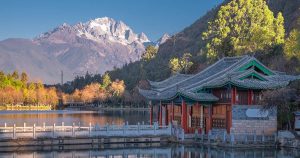
Day 5: Shaxi → Lijiang, Confirm the Road Connection
At 7:40 AM, I checked out from the “Lanlinge” guesthouse in Shaxi. The owner’s wife had stuffed a bag of dried jasmine flowers into my bag the night before (as a small souvenir). I tucked the flowers into my coat pocket and dragged my small suitcase out the door.
Before leaving Shaxi, confirm the operating service and exact boarding point. If travelling via Dali, book both legs and allow a connection buffer; do not treat the account as a through-service timetable. The bus in the account was painted blue and white, and the windows were wiped clean. The driver was a Bai uncle wearing a straw hat. Seeing me moving my suitcase, he reached out to help: “First time here, little girl? Sit by the window, there’s more wind.” I thanked him and picked a window seat. Do not choose a seat on the assumption of a guaranteed mountain view; the route, direction and weather matter.
When the booked service departs, allow for road conditions and intermediate stops. Leaving Shaxi, the morning mist hadn’t dissipated, and the bluestone path looked like it was soaked in milk. Dew hung on the bougainvillea petals. Occasionally, I could see an grandpa in a sheepskin vest leading sheep across the road, the copper bells on the sheep’s necks “ting-a-linging.” The grandpa shouted to me: “Going to Dali, girl?” I replied “Yes,” and pressed my face against the window—a layer of white mist was on the glass. I drew a cloud with my fingertip; after the mist cleared, the outline of the cloud remained.
For a connection via Dali, confirm the actual arrival terminal; the account’s name, Dali Rapid Bus Station, has not been verified. There weren’t many people in the station. I bought a freshly ground coffee (15 yuan; the clerk said “Dali coffee beans are fragrant, perfect for the scenery on the bus”) while waiting for the onward Dali → Lijiang bus. This was a green medium bus with seats covered in navy blue velvet, smelling like sun-dried fabric.
The Dali–Lijiang road journey offers scenery between the cities. From the window, on the left was the snow peak of Cangshan. Snow cover varies with the date and weather; a September journey does not guarantee snow-covered peaks. On the right were vast cornfields with golden husks. The stalks were blown every which way by the wind. Occasionally, I saw farm women in straw hats bending over to pick corn, with corn piled high in bamboo baskets.
I pressed my face to the window and took over 20 photos—the winding highway parallel to the snow mountain, farmhouses in the cornfields (red tiles and white walls, with red chili strings hanging at the gates), and small local dogs running by (yellow and white, chasing butterflies for a few steps before stopping). Do not assume an intercity bus includes sightseeing stops; confirm the booked route rather than expecting a Tiger Leaping Gorge visit on the Dali–Lijiang leg.
On arrival in Lijiang, confirm the actual terminal; the earlier account calls it Lijiang Dali Tourism Group Bus Station. I dragged my suitcase out and saw the white walls and gray tiles of Lijiang Ancient City from afar—unlike the gentleness of Dali, Lijiang’s silhouette was more distinct, like a bold, heavy ink painting.
The first stop was Zhongyi Market (a 5-minute walk from the South Gate of the Ancient City along the stone path). The market was noisy and bustling, filled with the sweet scent of Flower Cakes, the earthy aroma of dried mushrooms, and the smell of fruit. The first stall on the left was a freshly roasted Flower Cake stand, with cakes on the iron griddle, the crust so flaky it crumbled. The owner used bamboo tongs to pick one up and hand it to me: “Try it, rose filling, home-grown.” I bit into it; the rose sugar filling was so hot I gasped, but I couldn’t let go—the flower fibers mixed with the sugar and melted slowly in my mouth.
Zhongyi Market has stalls selling dried mushrooms. Browse the local ingredients, but do not take home unidentified mushrooms simply on a vendor’s advice to soak and stir-fry them. Buying tip: cap shape, stem thickness, colour and a vendor’s verbal assurances do not establish that a mushroom is edible. Do not buy products of uncertain source or species.[1]
Passing by a fruit stall, I picked a pound of pomegranates (10 yuan). The seeds were as red as rubies. Biting into one, the juice “squirted” onto my hand, so sweet I squinted. The old woman selling them smiled: “These are home-grown, no pesticides. Is it sweet?” I nodded vigorously, and she stuffed another one in my hand: “Take it for the road.”
If the road connection leaves enough time, explore Dayan Ancient City (Lijiang Ancient City). Avoiding the crowded “Wuyi Street” (packed with people and silver shops), I turned into Guangyi Street—this alley was so narrow only two people could walk side-by-side. The bluestone road was polished by footsteps, and the houses were wooden structures with “Blessing,” “Prosperity,” and “Longevity” carved on the lintels. The copper door rings had a deep patina.
Reaching the end of Zhongyi Lane, I saw a small bar with a neon sign (“7 Sea Bar,” the sign was a bit old but had character). Opening the door, there was a faint pine scent inside. The resident singer was singing “A Little Happiness” (originally by Hebe Tien; he was a bit out of tune but very sincere). I ordered an apple cider (30 yuan, with water droplets on the glass) and sat by the window. The sunset shone through the wooden window, dyeing the gray tiles orange. The apple slices in the cider bobbed up and down like a small boat.
At 7:00 PM, I went to Wuyi Street to eat Cured Pork Rib Hotpot (recommended “Yujie Cured Pork Ribs,” tucked in an alley, you have to turn three corners to find it). The shop wafted with a heavy cured aroma. The broth was made from local chicken and cured ribs, with goji berries and red dates on the milky surface. I ordered the “Signature Ribs” (50 yuan). The ribs were stewed until tender; biting into them released meat and cured fragrances in my mouth. The radish had soaked up the soup and “burst” with juice. I drank three bowls of soup.
The owner was an auntie in Naxi ethnic clothing. Seeing me enjoying it, she brought over homegrown greens: “Just picked from the field, dip them in to eat, they’re very sweet.” I dipped a piece; it was crunchy with a hint of earthy sweetness.
After dinner, I strolled along the old-town lanes. The moon hung over Lion Mountain like a round biscuit, casting a light golden glow (the phase depends on the exact date, not simply the month). The moss on the walls glowed dim green in the moonlight. Occasionally, I heard hand drums from afar (“tick-tock,” matching my heartbeat).
Suddenly, I felt a bit homesick—not the sad kind, but the feeling that “this kind of day is really good”: with the scent of unfamiliar flowers, hot hotpot, the kindness of strangers, and even the wind carrying the aroma of local life.
Accommodation Recommendation: I stayed at Tinghua Tang (150 meters from Wuyi Street, 2-minute walk). The guesthouse is a renovated Naxi old house, with an eight-immortal table in the hall and lanterns made of Dongba paper (decorated with “Four Auspicious Animals”: Elephant, Monkey, Rabbit, Bird). My room was on the second floor; the wooden floor “creaked,” and the bed was made of old elm wood. The mattress was just right (it’s a bit cool at night in Lijiang in September, and the electric blanket was warm).
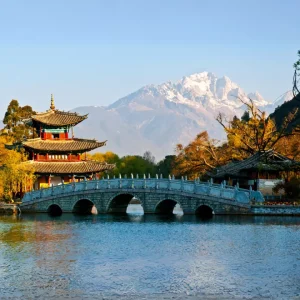
Day 6: Lijiang Ancient City (Dayan): How to Avoid the Crowds
Morning | Dive into the Alleys, Listen to the Stories of Old Houses
When I slipped into Lijiang Ancient City wrapped in a light jacket, the copper bell of the clock shop had just struck eight. The main street “Wuyi Street” was still shrouded in morning mist, with only Zhongyi Lane carrying the aroma of local life—an old woman in an indigo apron squatted on the stones cleaning vegetables, with dew still on the cabbage leaves in her basket. An uncle in a straw hat set up his Flower Cake stall, the iron griddle “sizzling,” and the freshly baked crusts cracked, releasing rose fragrance with the heat.
I walked along Zhongyi Lane (I read online that “this is the last piece of old alley in Lijiang not yet overrun by tourists”). The bluestone road was shiny from being soaked by rain, and the old houses on both sides were all wooden structures. “Blessing,” “Prosperity,” and “Longevity” were carved on the lintels in crooked but charming characters. One house’s window lattices were carved with “Plum, Orchid, Bamboo, and Chrysanthemum,” the petals as fine as hair—the layered carving rewards a closer look, but wood species cannot be reliably identified from this account.
“What are you looking at, girl?” A white-haired grandma peeked out from the door, clutching a palm-leaf fan. I pointed at the lattice: “Grandma, this wood carving is so beautiful!” She smiled: “My grandfather hired a Jianchuan carpenter to do this; it cost three months’ wages!” She turned back and brought out a bowl of soy milk (freshly ground, with yellow bean residue on the rim): “Drink some hot milk, it’s cool in the morning.” I took the bowl; it was so hot I rubbed my hands, but the bean aroma was so thick it could coat a spoon—much more authentic than the “freshly ground soy milk” at tourist spots, with no bitter saccharine taste.
12:00 PM | Near Zhongyi Market, Eat a Bowl of Sour and Spicy Jidou Liangfen
At noon, I wandered to “Amma’s Cured Pork Ribs” near Zhongyi Market (the door was an old wooden one with half the paint peeled off, but it had a red cloth sign: “Jidou Liangfen 10 yuan/portion”). Opening the door, the room wafted with a sour and spicy aroma—an old woman was pounding chilies in a stone mortar (“thump-thump” with red chilies and garlic), and sour tamarind juice in an enamel mug sat on the table (deep brown color with a fermented fruity smell).
I ordered the Jidou Liangfen (the old woman said “soaked fresh this morning, it’s so tender it can be pinched”). The Liangfen was still steaming when served—the black jelly-like blocks wobbled, topped with chili oil, vinegar, crushed peanuts, coriander, and finally a handful of finely chopped mint. I picked up a piece with chopsticks; it was so slippery it almost fell through. It had a faint bean fragrance, sour enough to be appetizing and spicy enough to make me sweat. The grandma sat opposite me peeling garlic and seeing me enjoy it, she smiled: “Our Naxi Liangfen is all about ‘being thoroughly sour and comfortably spicy.’ If you like it, next time I’ll add a spoonful of honey for a sweet-spicy taste!”
2:00 PM | Mu Mansion: Touching Lijiang’s “Forbidden City”
At 2:00 PM, I went to Mu Mansion (check the attraction’s official sales channel for current admission, opening hours and accepted identity documents). Mu Mansion’s principal layout faces east, as described by the Chinese Academy of Social Sciences’ research portal.[3] The vermilion pillars were carved with cloud patterns, and the copper door rings had a deep patina—cool to the touch, like touching decades of history.
Stepping over the threshold, I was greeted by a spirit screen (painted with “Pine and Crane for Longevity,” the colors still a vivid bluish-gray). The guide was a girl in Naxi clothing (ponytail, speaking with a Yunnan accent): “Look at this screen, pine in the middle, cranes on both sides, and flowing water at the feet—pine and crane represent longevity, and water represents wealth. The Tusi hoped his family would prosper for generations.”
The back garden was filled with camellias (surprisingly still blooming in September, the petals a deep red like they were coated in wax). In the middle of the garden was an octagonal pavilion (pillars inscribed with the couplet: “Wind, Flower, Snow, and Moon Land; Mountain, Light, Water, and Color City”). I sat in the pavilion watching koi swim (red and gold, their tails splashing water). Most unexpected was the Meeting Hall (where the Tusi held meetings)—portraits of successive Tusi hung on the wall (some in official robes, some in casual wear). The center one was Tusi Mu Zeng (check the exhibition labels for the titles and dates of his works). I leaned in to see the portrait; Tusi Mu Zeng’s eyes were very sharp, as if they could see through people.
5:30 PM | Black Dragon Pool Park: Seeing Snow Mountain Reflections and Bridge Hole Moons
At 5:30 PM, I went to Black Dragon Pool Park (check the park’s current entry policy and whether proof of the ancient-town maintenance fee is required). There was an old locust tree at the entrance (a wooden sign on the trunk read: “Age 200 years”), with a roasted Erkuai stall underneath (the uncle roasted them over charcoal while shouting: “Add sauce? Add spice?”).
I bought one (with sweet sauce and crushed peanuts, 5 yuan) and walked into the park while eating. The Five-Pore Bridge spanned the pool (the holes were semi-circular, and the five holes together looked like a rainbow). The sunset shone on the water, and the reflections of the bridge holes became five round moons (I took over 20 photos, already thinking of the caption: “Lijiang’s moons are given by the bridge holes”).
I looked up at Jade Dragon Snow Mountain (main peak 5596 meters). The snow on the top glowed pale pink in the sunset, like a pink hat for the mountain. Smoke rose from the village at the foot of the mountain (white walls and gray tiles, with wisps of white smoke from the roofs). Occasionally, I saw girls in ethnic costumes driving sheep down the mountain (the copper bells on the sheep’s necks “ting-a-linging”).
7:00 PM | Qiyi Street Bar: Listening to Freedom in Folk Music
At 7:00 PM, I went to Qiyi Street to find a bar (I read before that “Jianghu Bar” has the most sincere folk singing). The bar was hidden deep in an alley (you have to turn three corners). An old wooden plaque hung over the door (the word “Jianghu” written with a brush, the ink slightly blurred).
Opening the door, there was a faint pine scent (the owner said “we used local Lijiang pine, no paint”). The singer was a young man in a checkered shirt (holding a wooden guitar with a “Welcome to Lijiang” sticker on it), singing “Going to Dali” (“Are you unsatisfied with life, haven’t laughed for a long time and don’t know why…”). His voice was a bit raspy, but he sang very passionately, even striking the guitar strings loudly.
I ordered a plum wine (25 yuan, with water droplets on the glass) and sat by the window. At the next table were three backpackers (wearing hiking bags with a bit of dust on their faces), chatting about “going to Yubeng tomorrow” (“the snow mountains in Yubeng are super beautiful, but the road is a bit hard” “I bought new anti-slip hiking shoes yesterday”). Listening to them, I suddenly felt a bit envious—realizing that freedom isn’t just “going wherever you want,” but “doing whatever you want.”
Halfway through the wine, the singer suddenly switched to “A Little Happiness” (“It turns out you are the luck I most wanted to keep…”). The backpackers at the next table hummed along, the grandma (selling flower cakes) hummed along, and even the cleaning lady leaned against the door to listen.
Looking at the white walls and gray tiles outside, I suddenly understood: the beauty of Lijiang isn’t in “checking in,” but in “chance encounters”—the grandma met by chance, the folk song heard by chance, the snow mountain reflection seen by chance. These “chances” string together to become the most precious segments in memory.
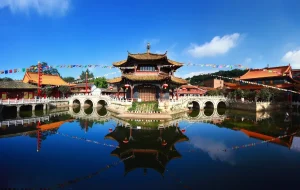
Day 7: Around Lijiang: Shuhe Ancient Town + Baisha Murals (Quieter Towns than Dayan)
Morning | Travelling to Shuhe: Rice Fields and Wind Outside the Window
At 8:00 AM, I left Lijiang Ancient City with my canvas bag. For public transport, check the current route, boarding stop and destination with the operator; the old route number and South Gate directions have not been confirmed. I found a window seat—golden rice fields were flashing past outside, the ears of rice heavy and bent. Some grandpas in straw hats were smoking on the ridges, the smoke mixing with the scent of rice drifting into the window.
On arrival at Shuhe Ancient Town, a Naxi grandma handed me a dried plum candy: “Little girl, Shuhe is quieter than Dayan, wander slowly.” I thanked her and walked toward the town center along the stone path—the bluestone was shiny from being soaked in rain, and old houses on both sides hung faded wooden signs for “Tie-dye,” “Silverware,” and “Ersi” swaying in the wind.
9:15 AM | Qinglong Bridge: Coffee Aroma Mixed with Flowing Water
The town center is Qinglong Bridge (a stone arch bridge built with bluestone, the lotus flowers on the railings carved so finely the petals look like hair). I found a “Tinghua Tang” café (same name as the guesthouse in the city; the name was written with a brush on a wooden plaque, the ink slightly blurred) and sat on a wooden chair by the river.
The café wafted with the aroma of freshly ground coffee mixed with the moisture of the river. I ordered a latte (28 yuan) with a simple leaf latte art. Looking at the river while holding the cup—the water was so clear I could see the shadows of swimming fish. A few fallen leaves floated on the surface, swirling into the bridge hole. At the next table was an elderly couple (white-haired, wearing outdoor jackets). The wife pointed at the river and said: “Look at this water, it’s much clearer than in the city.” The husband replied with a smile: “Yes, Shuhe’s water is led from mountain springs.”
12:00 PM | Xiaoguofan Restaurant: Yak Beef Ersi is “Fresh Enough to Drop Eyebrows”
At noon, I wandered to Xiaoguofan Restaurant (hidden near Jiuding Longtan, the wooden door hanging a red cloth sign: “Yak Beef Ersi, Average 30 yuan”). Opening the door, the room wafted with heavy meat aroma—the owner in a blue apron was scooping soup into a copper pot (the soup was milky white with green onions and coriander).
I ordered Yak Beef Ersi (the grandma said “Ersi is made of rice, thicker than rice noodles, and more filling”). The Ersi was steaming when served—milky white Ersi wobbled, paired with thinly sliced yak beef (tender with a bit of chew), pickled vegetables (crisp and appetisingly sour), and pea tips (emerald green and “crunchy” when bitten).
A sip of the broth—it was so fresh my eyebrows felt like they were falling off! The owner said: “This broth was stewed with yak bones for 8 hours, no MSG added.” I drank three bowls in a row, finally licking the bottom of the bowl. The owner smiled and handed me a tamarind juice: “To cut through the grease; we Naxi people can’t eat without this.”
2:30 PM | Jiuding Longtan: Watching the Water and Fish
At 2:30 PM, I went to Jiuding Longtan (10-minute walk north from the restaurant along the stone path, passing some handicraft shops with the “ding-ding” sound of silver hammering). The pool water was so clear I could count the pebbles at the bottom (red, blue, green, like a handful of colored marbles), surrounded by weeping willows (branches dipping into the water, creating ripples).
Watch the fish from the designated path and follow the site’s rules on feeding. The quiet water and village surroundings are the reason to pause here; there is no need to approach the edge or throw food into the pool.
3:30 PM | Baisha Ancient Town: Taking the Bus to See “Breathing Murals”
At 3:30 PM, I went to Baisha Ancient Town (confirm the current bus route or road transfer, fare and return service before leaving Shuhe). The bus was white, with Baisha Ancient Town posters on the windows (showing murals and snow mountains). Passing several villages along the way, I saw golden rice piled on drying grounds, villagers flipping the grain with bamboo rakes, and sparrows hopping nearby.
Baisha Ancient Town is quieter than Dayan or Shuhe. The stone paths were uneven, and the old houses still looked as they did in the Ming and Qing Dynasties (the carvings on the wooden beams were faded but still showed original refinement).
4:00 PM | Baisha Murals: “Living History” in Mineral Pigments
The first stop was Baisha Murals (check the specific monument, admission and last entry before travelling; arrival late in the afternoon may leave too little viewing time). Check the date and identity of each mural on its exhibition label rather than assuming that every work belongs to the same period.
The surviving Baisha murals are distributed across Wenchang Palace, Dabaoji Palace, Liuli Hall and Dading Pavilion. They reflect cultural contributions from Han, Tibetan, Naxi and Bai communities. Use the labels at each monument to identify individual scenes and distinguish the different sites and periods.[5]
5:00 PM | Snow Mountain Observation Deck: Close View of “Knife-cut Snow Mountain”
After seeing the murals, I went to the Snow Mountain Observation Deck (north of Baisha town, 15-minute walk, pebbled paths lined with farmland, occasionally seeing farm women in bamboo hats carrying vegetable baskets).
The observation deck had a row of wooden railings (painted dark red), with a wooden sign nearby: “Jade Dragon Snow Mountain Observation Deck.” Holding the railing, I looked over—the main peak “Shanzidou” looked like a knife stuck in the sky. The mountain was so steep it was almost vertical, the snow on the top glowing pale pink in the sunset (like a pink hat for the mountain).
Smoke rose from the village at the foot of the mountain (white walls and gray tiles, with wisps of white smoke). Occasionally, I saw girls in ethnic costumes driving sheep down the mountain (the copper bells “ting-a-linging”). The wind blew with the scent of pine. I suddenly understood what “local life” means—not the neon of cities, but the smoke at the mountain foot, the rice on the ridges, and the laughter of children.
7:30 PM | Returning to Lijiang: Dreams in Flowers and Fragrance
At 7:30 PM, I returned to Lijiang Ancient City. Passing Zhongyi Market (at dusk, vendors were packing up, remaining roses and lilies still carrying water droplets), I picked a bunch of roses (10 yuan a bunch, the petals deep pink, with a sweet fragrance).
Back at the guesthouse, I put the flowers in a ceramic vase by the bed (the vase had a small crack; the owner said “this is an old kiln piece from years ago”). The scent mixed with the insect chirping outside. I lay on the bed—the mattress was just right, and the electric blanket was warm.
Dozing off, I heard the grandma in the next yard shout: “Grandson, time for a bath!” Her voice had a Yunnan accent, light like a passing cloud. I wrapped the quilt tighter and smiled—this is probably what “years of peace and quiet” feels like: with flowers, fragrance, the voices of strangers, and a warm dream about an old town.
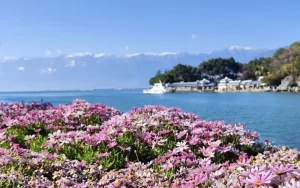
Day 8: Lijiang → Lugu Lake, Allow a Flexible Mountain-Road Travel Day
7:00 AM | Lijiang Express Bus Station: Departing with Anticipation
At 7:00 AM sharp, I stood at the entrance of Lijiang Express Bus Station with a light backpack. The station wasn’t big, with blue and white walls and a faded wooden sign: “Lijiang → Lugu Lake 7:30 Departure.” I bought a hot soy milk (5 yuan, in a paper cup with “Lugu Lake Welcomes You” printed on it), drinking it while waiting for the bus.
At 7:20 AM, the bus arrived on time. This was a white medium bus with navy velvet seat covers, smelling like sun-dried fabric. The driver was a Mosuo uncle in a straw hat (I later found out his name was A’Lu). Seeing me moving luggage, he reached out to help: “First time here, little girl? Sit by the window, you can see the mountains and water.” I thanked him and chose the second-to-last row on the right—the view was broad, perfect for seeing the mountain road scenery.
Mountain-Road Journey | Confirm the Route and Arrival Window
The bus departed punctually. Along the road journey, the scenery changed to river valleys and rolling green mountains (Songluo moss hung like curtains from trees, swaying in the wind to reveal the peaks behind).
Master A’Lu drove while playing Mosuo folk songs (melodious with a bit of vibrato). Save conversation for a safe stop so the driver can concentrate. Check the actual route and viewing direction before identifying distant landmarks. I stared out the window, seeing bougainvillea in full bloom (red, pink, with dew on the petals), occasionally seeing an grandpa in a sheepskin vest driving sheep across the road (the copper bells “ting-a-linging,” the grandpa shouting: “Going to Lugu Lake, girl?”).
A booked Lijiang–Lugu Lake transfer should be checked for its actual route and stops. Do not assume it includes Tiger Leaping Gorge, a paid observation deck or a sightseeing detour; adding another destination needs a separately confirmed itinerary and travel day allowance.
At 12:30 PM, the bus stopped at Ninglang County (confirm whether your booked service goes directly to the lake or via the county seat). I found a small restaurant by the road (the sign said “Amma Mosuo Food”), ordering Mosuo Cured Pork (30 yuan/portion) and Highland Barley Cake (5 yuan/piece).
The pork was shiny when served (fat pieces stewed translucent, lean parts not dry at all). Amma sliced it thin (each piece with a layer of white fat), served with the cake (crisp outside, soft inside, wheat aroma mixed with yak butter). I took a bite of the pork—fat but not greasy, the lean meat chewy. Amma smiled: “These pigs are raised on spring water and wild vegetables, the meat is very fragrant!” Dipping the cake in the pork oil was so good I ate two.
3:00 PM | Daluoshui at Lugu Lake: First Sight of the “Kingdom of Women” Lake
Around 3:00 PM, the bus slowly entered Lugu Lake. I looked out the window—the lake was as blue as washed glass, and Gemu Goddess Mountain (confirm viewing access and elevations with the scenic-area operator) looked like a pyramid with cotton-candy clouds at the peak. Ask a local cultural guide about the lake’s names and meanings; the transliteration and translation in the original account have not been verified.
I got off at Daluoshui Wharf (the busiest place, with over a dozen dugout canoes parked, the boats carved from logs with high-pointed bows). There was a guesthouse nearby (“Lake View Villa”); the owner was an auntie in Mosuo clothing (ponytail, smiling). For a sunrise view, confirm the room’s actual orientation and the local sunrise time for your date; mist and clear views are not guaranteed.
The room was a renovated old house (original carvings on the beams), the bed was wooden (covered with a Mosuo-woven blanket with “Gemu Goddess” patterns), and the bathroom had hot water (perfect temperature). I dropped my luggage, grabbed a bottle of water (5 yuan/bottle), and strolled along the lake.
The wind by the lake carried a cool moisture mixed with the scent of grass. Some kids in floral dresses squatted by the shore, poking fallen leaves on the water with sticks (leaves were golden, floating like small boats). I squatted down, picked up a flat pebble (lake stones were colorful: red, green, blue), and learned to skip stones—it “plonked” into the water, splashing my shoes. I ran away laughing.
5:30 PM | Lige Peninsula: Sunset over the “Lake Boot” and Mountain Shadows
At 5:30 PM, I went to Lige Peninsula to see the sunset (30 yuan, 20-minute taxi from Daluoshui). Lige Peninsula looks like a boot stretching into the lake (the end of the peninsula is pointed, with water reaching the foot to form a shallow beach).
The sunset dyed the lake orange (like orange juice was poured in), and Gemu Goddess Mountain (clouds at the peak cleared a bit to show brown rocks) and the village at the foot had smoke rising. Use the public viewing path rather than slippery shoreline rocks to watch the light change—the sky changed from orange-red to pink-purple, then to deep blue, and the lake color followed, like a piece of crumpled silk.
A Mosuo girl in ethnic dress (wearing silver, hair in braids) sat nearby, pointing at the mountain: “That’s ‘Houlong Mountain,’ legends say the Dragon King lives there, so the water is so clear.” I smiled and agreed; she took out a dried plum candy: “Eat, our Mosuo candy is home-made.” It was brown, sweet and sour, just like the wind of Lugu Lake.
7:30 PM | Daluoshui Bonfire Party: Dancing with Mosuo People
At 7:30 PM, I returned to Daluoshui for the Mosuo Bonfire Party (voluntary fee 50 yuan/person). A bonfire was lit on the open ground by the wharf (flames “whooshing” upward, making everyone’s face glow red). Girls and boys in ethnic costumes stood in a circle (girls in embroidered skirts, boys in felt hats with silver ornaments on their waists).
The lead dancer (hair piled high, wearing the largest silver ornament) shouted: “Come! Join us!” I was pulled into the circle, stomping and waving to the rhythm. The song was simple yet moving; ask the performers for its name and meaning rather than relying on an unverified translation. I didn’t dance well (kept stepping on my partner’s feet), but everyone laughed and shouted: “It’s okay! Just be happy!”
The fire burned brighter, sparks flying up like stars. A boy played a bamboo flute (crisp sound mixed with the “crackling” of the fire), and a girl sang a folk song (sweet as honey). Looking at the people—couples, families, tourists like me—everyone had a smile. I felt this is “local life”: not urban prosperity, but a group of strangers around a fire, sharing joy.
9:30 PM | Returning to Guesthouse: Night of Starlight and Lake Water
After the party, I walked back along the lake. Moonlight spilled over the water (silver light dyeing the water light blue). Gemu Goddess Mountain was a black silhouette, and the stars at the peak were very bright (I could see the Big Dipper and the Milky Way).
Back at “Lake View Villa,” the account describes a cup of hot milk. Choose pasteurised milk; warmth alone does not establish safety.[6] I sat by the window, drinking milk and watching the starlight on the lake (reflections of stars swaying like broken diamonds). The bedside lamp was warm yellow (soft light), and I lay on the bed—the mattress was just right, and the Mosuo blanket smelled like sunshine.
Dozing off, I heard the “shh-shh” of the lake water outside (like someone whispering in my ear). I wrapped the quilt tighter and smiled—this is probably the “Night of Lugu Lake”: with starlight, lake water, the warmth of strangers, and a sweet dream about the “Kingdom of Women.”
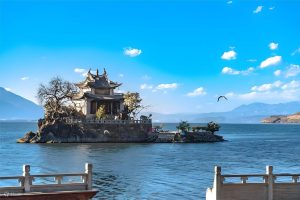
Day 9: Lugu Lake In-depth: Lige Peninsula + Naisai Village Gemu Goddess Mountain (Lake and Mountain Views are Good)
At 5:50 AM, I was woken by the “shh-shh” of lake water gently hitting the plank road. The morning at Daluoshui arrived quietly, the sky still covered in an indigo veil, and even the wind carried a moist sweetness. I put on a light coat and walked toward the plank road along the pebbled path behind the guesthouse—the streetlights were dim yellow, lighting the Gesang flowers on both sides, dew on the petals looking like shredded diamonds.
For a sunrise visit to Lige Peninsula, arrange a transfer from Daluoshui beforehand; otherwise use an accessible viewpoint near the overnight stay. The lake was as still as a mirror, reflecting the deep blue sky, without a breath of wind. One or two calls of water birds came from afar. I took out my phone (80% battery) and snapped away at the lake—in the lens, the blue of the lake and the blue of the sky almost merged, with only the wooden frame of the plank road as a “divider.”
Before sunrise, the eastern sky began to whiten; check the time for your date and viewpoint. The furthest clouds first turned pale pink, then orange, finally golden—like someone spilled a palette in the sky, colors “pouring” onto the lake layer by layer. Then the sun showed half a face (red like a strawberry), and the lake instantly “came alive”: golden near the sun, translucent light blue further away, then back to deep blue. I moved my phone lens from sky to lake and back—the colors changed every second. The battery dropped from 80% to 30%, but I couldn’t put it down. As the sun rose, the mist dissipated, and Gemu Goddess Mountain was visible (clouds at the peak like a cotton hat). I took a photo of the “sunrise + mountain view” (a egret flying in the background) and posted it to Moments: “Lugu Lake’s sunrise is a gift from the water.”
After eating Xidoufen cooked by the owner (5 yuan/bowl, bean aroma thick enough to coat a spoon, even better with roasted Rushan), I took an off-road vehicle to Naisai Village at 9:30 AM. The mountain road was bumpy but offered views of terraced fields—rice ears drooping like a golden carpet on the slopes. By the Naisai Village wharf were several dugout canoes. For a boat outing from Naisai, confirm the permitted destination, duration, fare and safety arrangements with the operator. A curtain or a verbal claim about steadiness is not a safety assessment.
The lake is deep; clear water does not make it safe to enter. Follow the boat operator’s safety instructions and wear a life jacket. I stared at the water—so clear I could see pebbles (white, gray, patterned) and some silver small fish (tails swaying). Keep hands inside the boat and follow the operator’s instructions.
“Look there!” the master pointed to Houlong Mountain (peak wreathed in mist, like a dragon in the clouds), “Legend says the Dragon King lives there, which is why the water is so clear.”
At noon, I ate roasted lake fish at a small restaurant by Naisai wharf (the stated price and lawful fish source need confirmation). The master gutted the fish (keeping scales) and roasted it over fruit-wood charcoal—it “sizzled,” oil sparking in the charcoal. The skin was roasted golden and crispy, sprinkled with salt and chili powder (red + white). Biting the skin (“crunch”), then the tender fish meat that melted away (with the freshness of the lake). The master handed me tamarind juice (to cut grease). I praised while eating: “This fish is so fresh!” Ask where the fish was sourced; a lake-view restaurant does not establish that a catch is lawful.
For Gemu Goddess Mountain, check the currently open visitor route, ticket and transport arrangements with the operator. Do not plan on an unverified one-hour walk or treat a viewing platform as the summit. Leave time for descent and the return to Daluoshui; skip the ascent if you feel unwell.
Standing at the railing—Lugu Lake was like a sapphire among mountains; distant villages (white walls, gray tiles, rising smoke), fields (corn, potatoes), and fruit trees (apples, pears) were like pearls on a blue cloth. The wind blew with pine scent. I suddenly understood the legend of “Gemu Goddess”—she must be a gentle goddess to hide such a beautiful lake in the mountains.
At 6:30 PM, back at Daluoshui, the owner brought Mosuo roasted suckling pig (50 yuan/portion, freshly roasted). The skin was golden (like coated in honey), and “cracked” when cut. I dipped a piece in sugar (crispy and crumbling), followed by the tender pork. I ate two bowls of rice (cooked with spring water, slightly sweet) and finished with pig bone soup (milky white with green onions).
After dinner, I strolled by the lake (dim yellow solar streetlights reflecting on the water). The wind smelled of pine, and I occasionally heard dogs barking (“woof woof,” like greeting the evening wind). Stay on a public path away from the water’s edge when watching the starlight on the lake (reflections swaying like broken diamonds). Gemu Goddess Mountain was a black silhouette, and stars at the peak were very bright (Big Dipper and Milky Way visible).
Looking at the stars, I felt time “slowed down” here—not that the clock moved slowly, but every second was worth remembering: the colors of sunrise, the coolness of the lake, the aroma of roasted fish, the master’s words. These “slow” moments together became the most precious segments in memory.
At 9:00 PM, I returned to the guesthouse. The bedside lamp was warm yellow, and I lay on the bed—mattress just right, Mosuo blanket smelling of sunshine. Dozing off, I heard the “shh-shh” of the lake water (like whispering). Wrapped the quilt and smiled—this is probably the “Night of Lugu Lake”: with starlight, lake water, the warmth of strangers, and a sweet dream about “Gemu Goddess.”

Day 10: Lugu Lake Return: Optional Morning Boat Trip, Then Back to Lijiang
7:00 AM | Morning Mist on the Lake: An Encounter with “Milk and Magic”
At 6:50 AM, I stepped out wrapped in the guesthouse’s light blanket. The morning at Lugu Lake was cooler than yesterday, the wind carrying the scent of pine mixed with the moisture of the lake. I walked toward the dugout canoe point at the wharf (pebbled path wet with dew, soles a bit slippery), seeing the boat with the blue cloth curtain from afar—the master from yesterday was squatting at the bow tying ropes. Seeing me, he laughed and shouted: “Catching the morning mist, girl?”
If taking a morning boat trip, confirm the departure, permitted route, price and return time with the operator. Use a life jacket, and leave enough time to collect luggage before the bus. The boat was carved from a whole log, wood grain showing annual rings. When the oars split the water, a “splash” startled several water birds (white and gray, flapping into the mist).
The morning mist was like shredded milk floating on the lake (milky white nearby, pale blue further away). Use the seat assigned by the operator; every stroke of the oar split the mist in half, revealing mountain shadows behind (Gemu Goddess Mountain’s silhouette faintly visible). When the oars stopped, the mist slowly closed back up, like playing “hide and seek.”
“Look there!” the master pointed left, “There’s an old pine tree in that mist. I photographed it last year; you can only see it when the mist clears, it must be over a hundred years old.” I looked; there was indeed a dark shadow in the mist, like an undried ink wash painting. Where the oars passed, ripples tore a slit in the mist, revealing pebbles at the bottom (white and patterned, wet and looking like scattered gems).
Before the Bus | Pack Luggage and Check the Return Connection
After the boat returned to Daluoshui wharf, I walked toward the guesthouse on the wooden plank road (mist not yet cleared, Gesang flowers by the plank dripping water, red like dewy rubies).
For the return journey, buy food that can be stored safely. Do not carry unrefrigerated leftover meat for a long mountain-road trip or assume reheating makes poor storage safe. Confirm when prepared food was cooked and how it has been stored before packing it.
I went back to the room to pack: sunrise photos from yesterday saved on the phone (10% battery, need to charge), the dried plum candies from the Mosuo auntie in my pocket (brown wrappers, rustling when pinched), and any food souvenirs with clear storage instructions (vacuum packing alone is not proof of shelf stability).
Return Planning | Separate the Bus Journey from Any Flight Connection
At 9:30 AM, I dragged my suitcase out. A green medium bus (labeled “Lijiang → Lugu Lake” in red) was at the Daluoshui wharf bus station, the driver preparing the vehicle for departure.
I bought a ticket back to Lijiang (80 yuan, 10:00 AM departure). Getting on, my neighbor was an uncle in an outdoor jacket (carrying a camera, likely a photography enthusiast). He pointed out: “Look at this mist, it won’t be this thick once we get to Lijiang.” I agreed, watching Gemu Goddess Mountain slowly reveal itself (clouds clearing at the peak to show brown rocks, like a sleeping giant).
The bus traveled for about 4.5 hours (winding mountain roads, occasionally seeing Naxi grandmas in ethnic dress carrying bamboo baskets of wild berries). A 14:30 arrival at a Lijiang bus terminal must not be paired with a 15:00 flight: this leaves only 30 minutes before departure, before even allowing for the airport transfer and airline deadlines. Check the bus arrival window, road conditions, airport journey and carrier check-in cutoff separately. An overnight stay in Lijiang is a more flexible alternative when the connection is uncertain. If you fly onward the next day, the journey becomes 11 days, not the 10-day route ending in Lijiang described here. Search actual flight dates and destinations with the airline; do not rely on the earlier fixed fares or route list.
September Travelogue: Yunnan’s “Slowness” and “Warmth”
On this Yunnan trip, I ate from Kunming’s noodle stalls (Xidoufen with fried dough at Zhuanxin Market) to Lugu Lake’s meals (confirm the ingredients’ source rather than assuming a lake catch), from Dali’s Erhai cycling (morning light at Longkan Wharf) to Lijiang’s ancient city night chats (folk songs on Qiyi Street).
The most unforgettable things weren’t the “must-visit” spots, but chatting in the Dali tie-dye shop about “Jiaoxie” and “Wax-dyeing” techniques, sitting by Erhai watching clouds (clouds drifting from Cangshan like white sheep), and dancing with strangers at the Lugu Lake bonfire party (stepped on a partner’s foot but was told “it’s okay” with a smile).
The beauty of Yunnan isn’t on a “checklist,” but in the courage to “walk slowly”—willing to wait an extra half hour for a mist, willing to chat ten minutes with a shop owner for a bowl of Liangfen, willing to get lost in unfamiliar alleys and find an old tea house at a corner.
Budget and Practical Planning Notes
The original account reports about 5000 yuan including transport, accommodation, food and tickets, but its dates, receipts and round-trip transport scope have not been verified. Do not treat this as a quote for the route or assume that an extra night and onward travel after Day 10 are included. Practical planning notes:
- September Weather: Check forecasts for each overnight stop and any mountain visit. Carry layers and rain protection; a single temperature range or light jacket is not enough to plan for all elevations and weather on this route.
- Rental/Riding: Check brakes, tyres, permitted roads, range and the agreed return location. Use a local rental only within its approved operating area; arrange separate intercity transport to Shaxi. Do not infer safe range from a battery percentage or leave a helmet hanging on your wrist.
- Eating mushrooms: Do not treat boiling or any fixed cooking time as a way to detoxify wild mushrooms: some poisonous species retain toxic substances even after cooking. Do not forage mushrooms for food. Buy only from reputable, reliable suppliers; avoid products mixed with unknown species or carrying growing material or signs of spoilage. Edible mushrooms still need washing and thorough cooking, but this cannot make a poisonous mushroom edible.[1] If mushroom poisoning is suspected, seek immediate medical attention and bring any available mushroom remnants for identification.
- Respect Customs: Don’t ask rudely about Mosuo “Walking Marriage” (I asked an auntie “how is walking marriage?”, she smiled and said “it’s our way of life, like your city marriage”), but you can chat about daily life (like “how to pickle vegetables” or “how to make cured pork”), the grandmas love to talk.
Finally: Yunnan isn’t a “destination,” it’s a “slow time.” it doesn’t end after you check off all spots, but will slowly ferment in your memory into the warmest segments—like the morning mist of Lugu Lake, the moonlight of Dali, and the starlight of Lijiang Ancient City.
Lugu Lake —: Numbers to Check
Tickets & Booking
- Pig-Trough Boat (lake cruise): Liwubi Island route about CNY 150 per person; water-flowers experience route about CNY 120 per person (guide figures)[src]
Where to Stay · Room Type · Nearby
- Daluoshui village / Lugu Lake town | Reference price Budget inns about CNY 100–300 per night | Room tip: A 5-minute walk to the lakeside; shared bathrooms are common | Nearby add-ons: Bonfire party, Daluoshui pier, Liwubi Island[src]
- Lige Peninsula | Reference price Lake-view guesthouses about CNY 350–500 per night | Room tip: Lake-view rooms with breakfast, opening the window straight onto the lake | Nearby add-ons: Lige viewpoint (the classic S-bend lake view), Lige Island[src]






