



Day 1: Southern Section of the Central Axis, Qianmen Time-honored Brands and Roast Duck Debut
On the first day of arriving in Beijing, one’s physical strength and interest are usually in a period of adjustment. At this time, never go climbing the Great Wall or visiting the Forbidden City; being too tired can easily ruin the mindset for the rest of the trip. I usually suggest choosing a staying point at the southern end of the Central Axis, which features both the old faces of Beijing and the most reliable transportation.
Settling In: Choose the Right Location to Avoid Unnecessary Travel
Around 2:00 PM, when you have finished the check-in procedures, whether you can quickly enter the “Beijing state” depends entirely on whether the hotel location is chosen correctly. The area of Qianmen and Chongwenmen is my first choice for receiving out-of-town friends for a simple reason: Subway Lines 2, 5, and 7 intersect here, making it convenient to go anywhere.
Coming from the airport or high-speed rail station, I generally recommend this approach:
- Landing at Daxing Airport: Take the Daxing Airport Line to Caoqiao, then transfer to Line 19 or Line 10. This saves an hour of traffic jam compared to taking a taxi into the city.
- Landing at Capital Airport: Take the Airport Express and transfer to Line 2, which goes directly to Qianmen.
- Beijing South Railway Station/Beijing West Railway Station: Very close to Qianmen. If the taxi queue is too long, dive into the subway; you will definitely be in your room within half an hour.
After leaving your luggage at the hotel and washing your face, head out. Don’t rush to line up for security at Tiananmen Square just yet; head for Qianmen Street.
My Personal Experience
Friends visiting Beijing for the first time are easily attracted by the Dangdang cars and lively signs on the main street of Qianmen. But I suggest you just take a cursory look at the main street and focus on turning west—specifically to Dashilar West Street and Yangmeizhu Slanting Street.
The main street is full of specialty products, while Yangmeizhu Slanting Street hides independent bookstores (like Model Bureau), hand-drip coffee shops, and old residents. You can see old men sunbathing at their doorsteps right next to highly designed concept stores. This impact of mixing the new and the old is the real current state of Beijing’s hutongs.
Dinner Time: The Correct Way to Enjoy Michelin One-star Roast Duck
By sunset (around 18:00), it’s time for the first formal meal. Eating roast duck in Beijing is a ritual with a performance element. Since the title mentions “Michelin one-star” and “Crispy but not Greasy,” we need to eat this meal with proper understanding.
When choosing a restaurant, don’t blindly believe in the “queue kings” seen online. A truly good roast duck restaurant must provide matching service and environment.
- Look at the Skin Color: The duck served must have a jujube-red skin that is plump and shiny. If the skin is sagging or the color is dull, the duck has definitely been hanging there for too long.
- How to Eat the First Bite: The first plate sliced by the chef is usually the “duck breast skin.” At this time, the waiter will hand you a saucer of white sugar. Don’t hesitate; dip it in sugar while hot. The oily fragrance melts away on your tongue without a single meat fiber—that is the standard of “Crispy but not Greasy.”
- Pancakes and Sides: Good pancakes should be thin, translucent, and resilient, with paper dividers between every two pancakes to prevent sticking. Besides traditional sweet bean sauce, scallion shreds, and cucumber strips, many star-rated restaurants now provide cantaloupe strips or mashed garlic. Cantaloupe strips help cut the grease and are highly recommended.
The table below is the ordering logic I have compiled, which basically won’t lead you into traps:
| Dish Category | Reason for Recommendation | Avoidance Tips |
|---|---|---|
| Main Roast Duck | Must order “Crispy but not Greasy” or special selection ducks; the oil processing is better. | Even if there are only two people, I suggest ordering a whole duck. Half a duck is usually not freshly sliced, and the taste is much worse. |
| Duck Carcass Processing | Salt and Pepper Duck Carcass. A great snack for drinks, crispy and savory. | Don’t make duck carcass soup. In most restaurants, the soup is pre-boiled in large pots in the kitchen; it tastes bland and fishy, with no freshness. |
| Cold Dish Pairing | Mustard Duck Webs or Fire-seared Duck Hearts. Duck webs must be cleanly deboned, and the mustard should be yellow mustard for an authentic kick. | Don’t order those large salads full of leaves; they take up stomach space without helping with the greasiness. |
Night Walk: Cool Reflection under Zhengyangmen
After dinner, it’s about after 8:00 PM. Do not take a taxi back to the hotel. Your stomach is full of oil, and you exactly need a walk.
Walk out of the restaurant and slowly stroll to the foot of Zhengyangmen (Qianmen) Gate Tower. Although Zhengyangmen at night isn’t as noisy as during the day, the massive gate tower provides a strong sense of presence. It is very comfortable to stand by the moat and feel the breeze. Walk back along Meishi Street, and here I want to give a special piece of advice regarding “drinking.”
You will see countless small stalls on the roadside displaying white porcelain jars with blue characters saying “Old Beijing Yogurt.”
The Truth about Roadside Yogurt
Many tourists feel it’s very atmospheric to take a photo with a porcelain jar. But to be honest, most of this yogurt displayed outdoors in porcelain jars is industrially blended and sold wholesale. Having been exposed to the sun or left out for a long time, the hygiene and taste are quite mediocre.
If you want to drink real Beijing yogurt, go into a roadside convenience store (7-11, Bianlifeng) and get “Sanyuan Meiyuan” or “Herun” yogurt from the refrigerated cabinet. That is the taste Beijing locals have grown up with—mellow milk flavor without artificial essences.
No need to stay up too late tonight; go back to the hotel early to rest. Because the Douzhir (fermented mung bean milk) session tomorrow morning will be the true test for your taste buds.
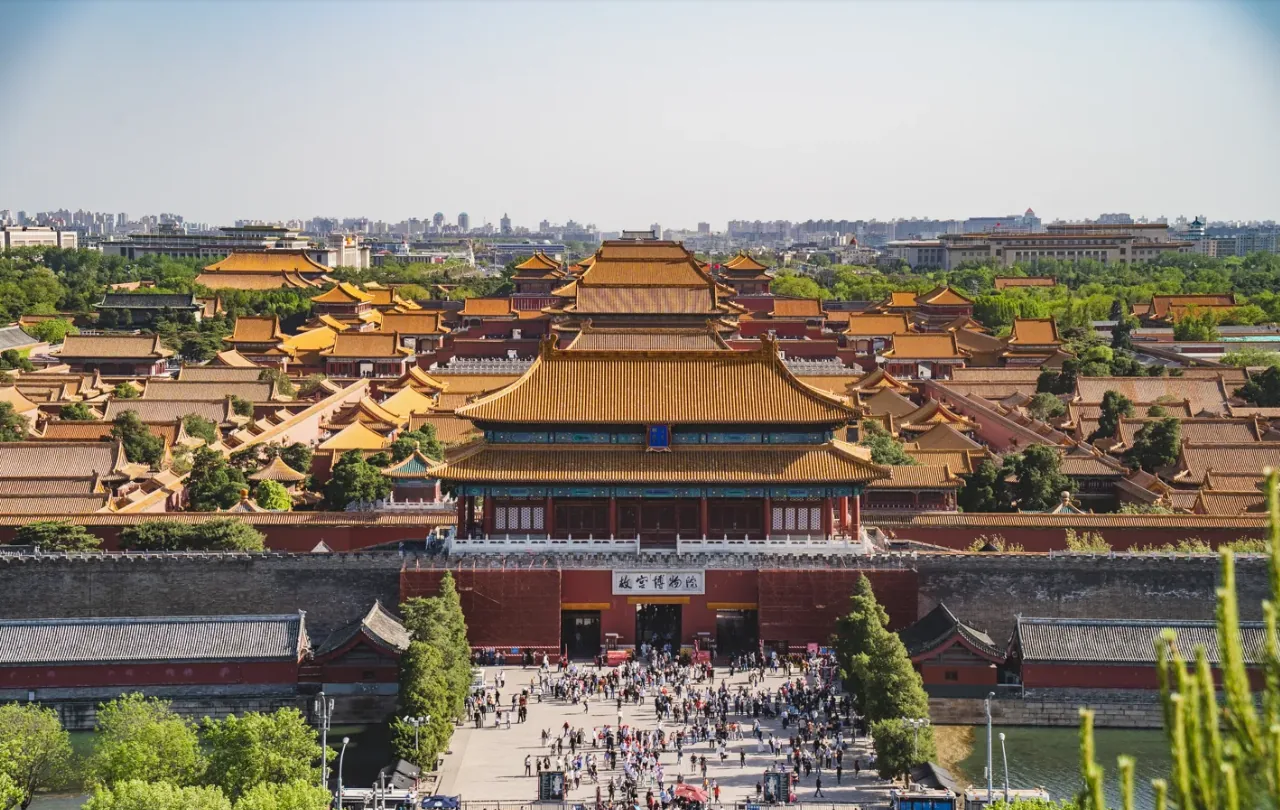
Day 2: Under the Imperial City, Douzhir Experience and Palace Cuisine
If the first day was to adapt to Beijing’s dry climate, the second day is to challenge the limits of your taste buds. For today’s itinerary, I have deliberately stretched the span of flavors: in the morning, the extremely common and even somewhat “self-torturing” Douzhir, while lunch and dinner feature exquisite and sophisticated palace flavors.
Morning Challenge: How to Decently Drink a Bowl of Douzhir
At 7:30 AM, before the tour groups arrive in large numbers, you must throw yourself in front of the Old Ciqikou Douzhir Shop (Tiantan Branch).
Many out-of-town friends have misunderstandings about Douzhir, thinking it is “sour swill.” In fact, authentic Douzhir is made from fermented mung bean sediment; that sour and fermented smell is the scent of lactic acid bacteria, which is completely different from being spoiled. Eating breakfast here, sharing a table is the norm. Next to you might be an old man who just finished morning exercises, and across from you might be an influencer live-streaming to their phone.
My Douzhir Tasting Notes
When drinking Douzhir for the first time, never take a large gulp. Its taste has three layers: sour upon entry, fermented down the throat, and a faint bean fragrance in the aftertaste.
Many tourists can’t drink it because the eating method is wrong. The correct rhythm is: hold a Jiaoquan (fried dough ring, must be freshly fried and crispy) in your left hand, and pick up shredded pickles with chopsticks in your right hand (these pickles are usually drizzled with chili oil specifically to suppress the flavor). Take a bite of the Jiaoquan and chew it first; while your mouth has the oily fragrance, take a sip of Douzhir and quickly stuff in a mouthful of pickles. When these three things mix in your mouth, the sourness is neutralized, leaving only a very unique, heavy sensation.
If you really can’t accept it, don’t force yourself. The Tang Huoshao (brown sugar sesame buns) in the shop are full of brown sugar and sesame paste, very substantial; or have two beef buns, which can also leave you satisfied. There’s no need to ruin your stomach just for a social media check-in.
Morning Stroll: Viewing the Imperial City while Avoiding Crowds
After finishing the Douzhir and sweating a bit, right outside is the North Gate of the Temple of Heaven Park. Entering the park around 9:00 AM is just right.
Most people going to the Temple of Heaven only focus on photographing the blue roof of the Hall of Prayer for Good Harvests, but I suggest you pay more attention to the Danbi Bridge leading to the Hall. The view there is wide, and many of the ancient cypress trees on both sides are hundreds of years old. The morning light hitting the red walls through the trees has more texture than simply photographing a hall.
Coming out of the Temple of Heaven, don’t rush to squeeze into the Forbidden City. Take a taxi or subway to Nanchizi Street. This street is right next to the Donghuamen of the Forbidden City, with Pudu Temple on one side and the Imperial City Wall Relics Park on the other.
- Photo Spots: There are large areas of red walls and grey tiles here without the background of mountain-and-sea crowds. You can walk freely under the red walls; the photos taken have a cinematic feel.
- Avoidance Tips: There will be many rickshaw pullers on the road asking if you want a hutong tour. If you aren’t prepared to be overcharged, just smile and wave them away. Measuring with your own feet allows you to see more details.
Lunch Break: “Empress Style” in a Courtyard
By 12:30 PM, you should be hungry. In the area of Nanchizi or Beichizi, there are many hidden restaurants converted from old courtyards.
In such a shop, you aren’t eating for cost-performance; you’re eating for the “vibe.” Push open the wooden door, and there might be a century-old jujube tree inside, or a large water vat with goldfish. There is shade in summer and heating in winter, isolating the hustle and bustle outside.
At this time, ordering dishes should be “sophisticated”:
| Dish | Review and Recommendation |
|---|---|
| Fried Pork Tenderloin (Zha Chao Li Ji) | This dish is said to have been personally ordered by Empress Dowager Cixi. Compared to ordinary sweet and sour pork, its batter is thinner, tasting “slightly sour and slightly sweet,” crispy on the outside and tender on the inside, without that heavy starch feel. |
| Palace Cheese | Authentic palace cheese is not yogurt; it is milk set with fermented rice wine. It must be able to be held upside down without spilling to be considered qualified. It melts in the mouth with a faint wine fragrance. |
| Walnut Dew (He Tao Lao) | A hot dessert. Good walnut dew must be ground extremely fine without residue, smooth as silk; it was the afternoon tea drunk by young ladies of wealthy families in the past. |
Dinner Time: New Style Beijing Flavors in Wangfujing
By 7:00 PM, when you emerge from the peace of the old city area, you can go to Wangfujing to feel the prosperity of modern Beijing. For dinner at this time, I recommend trying “New Beijing Cuisine.”
While many time-honored brands have famous names, they are often too heavy in oil and salt, which doesn’t fit the eating habits of modern people. New Beijing Cuisine actually retains the old flavors while making the presentation beautiful and reducing oil and salt.
- Duan’s Peerless Fish Head: This is a major dish; the fish head is stewed until full of collagen, and the soaked pancakes are superb. Compared to traditional braising, its sauce fragrance is richer but not as salty.
- Improved Jing Jiang Rou Si: Traditional shredded pork in sweet bean sauce is one plate of meat shreds paired with one plate of scallion shreds. The new style usually pairs it with spring pancakes as thin as a cicada’s wing, and adds a bit of cantaloupe strips or pineapple cubes. The refreshing sweetness of the fruit perfectly neutralizes the salty-sweetness of the bean sauce; one bite offers very rich layers.
After this meal, you will find that Beijing cuisine is not just “dark and salty,” it can also be made exquisite and palatable. This day begins with the intensity of Douzhir and ends with the refinement of New Beijing Cuisine, experiencing both the “elegant” and the “common” aspects of Beijing food.
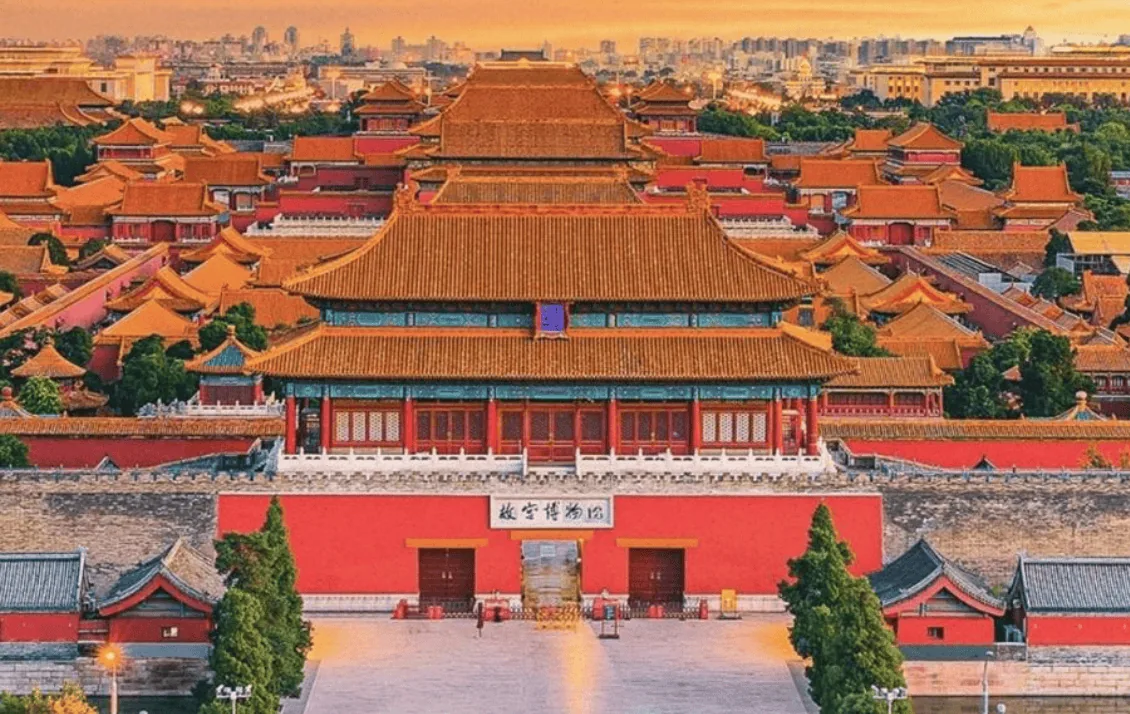
Day 3: Shichahai Hutongs, Old Flavor Stir-fried Liver and Private Banquets
For the third day’s itinerary, let’s focus our attention on the capillaries of Beijing—the hutongs. Today’s route depends entirely on walking, so before heading out, please make sure the shoes on your feet are comfortable enough. Don’t wear high heels or thin-soled sneakers, or else by the end of the day your soles will hurt enough to make you doubt your life.
Morning Ritual: The Sophistication of a Bowl of Stir-fried Liver (Chao Gan)
At 8:00 AM, head straight for Gulou East Street. Many people say Yaoji Chao Gan is a “tourist shop” that locals don’t visit. But in that location, being able to stand firm for so many years means it still has some tricks up its sleeve.
Don’t be deterred by negative reviews online; you have to taste it yourself to know what the old flavor is. When ordering, don’t get anything fancy; just focus on two things: Chao Gan and buns.
- Look at the Starch Sauce: For good stir-fried liver, the key is the starch. It should be a translucent sauce-red upon serving, not a lump of dead dough, nor as thin as water. When you stir it with a spoon, the resistance should feel moderate.
- Eating Method: Although shops now provide spoons, if you want to look like an old Beijinger, don’t use one. Hold the bottom of the bowl with your thumb and support the rim with the other four fingers, sipping while rotating the bowl. The hot starch sauce, wrapped in garlic fragrance, slides down your throat—that’s the right feeling.
- Organ Processing: The liver must be tender, not boiled until it’s like rubber; the intestines must be fatty and retain some oil to be fragrant. If you taste any off-odor, it means it wasn’t cleaned properly; don’t hesitate to return it.
Strolling Route: From Hustle to Tranquility
After breakfast, heading out at 9:30 AM is just right. This area is the place in Beijing where it’s easiest to get lost and also easiest to take great photos.
- The World of Bell and Drum Tower Square: Don’t rush yet; stand on the square for ten minutes. You’ll see a group of old men kicking shuttlecocks—not simple kicking, but using heels and foreheads in a flowing motion. There are also people cracking whips and playing diabolo; this is the living Beijing.
- The Correct Way to Pass Yandai Xiejie: This street is now full of low-quality souvenirs; never stop. Unless you want to buy that meaningless copper plate engraved with your name. Pass through quickly, just for the “I’m at Yandai Xiejie” check-in.
- The Quiet of Houhai North Bank: As soon as you exit Yandai Xiejie, you’re at Houhai. Don’t dive into noisy places like the bar street; walk toward the north bank. There is the Former Residence of Soong Ching-ling there; the ticket isn’t expensive, the garden inside is maintained extremely well, and you can see the layout of former princely gardens.
My Avoidance Experience
Near Shichahai, you will encounter many rickshaw drivers saying they’ll “take you to see Old Beijing mansions.” If you’re interested in hearing some fun stories, you can take a ride, but be prepared—80% of the stories they tell are unofficial legends, and they often end up pulling you to a courtyard selling calligraphy or auspicious statues. If you want to see real hutong life, just dive into those small alleys without commercial signs yourself.
Midday Rest: Vegetarian Aesthetics near Yonghe Temple
By 1:00 PM, your legs are sore and it’s time to find a place to eat. Take a taxi to the vicinity of Yonghe Temple.
Because it’s next to Yonghe Temple, the vegetarian restaurants in this area are of extremely high quality. Modern vegetarian food is no longer that “fake meat” with a heavy bean smell.
- The Magic of Mushrooms: Recommended to try mushroom-themed dishes, such as Matsutake Soup. A good restaurant boils it with real ingredients; the freshness is purer than chicken soup, and one sip makes your stomach feel warm.
- The Art of Soy Products: Vegetarian Roast Goose is usually made by layering bean curd skin and braising it. The texture should have layers, and juice should burst out when you bite into it.
Evening Time: Wudaoying Creativity and the Mystery of Private Kitchens
Don’t schedule too much for the afternoon; stroll through Wudaoying Hutong. It is much quieter than Nanluoguxiang, without fried skewers and stinky tofu everywhere. Find a nice-looking cafe to sit in; many owners are designers or artists, and the shop decorations are very interesting.
By 6:30 PM, it’s time to visit the real “hidden corners.” In the deep alleys of Dongsi or Beixinqiao, many private kitchens without signs are hidden.
This dining experience is completely different from a restaurant:
- Reservation is a Must: Many owners are temperamental, making only three to five tables a day, or even accepting guests based on their mood. Without an advance appointment, knocking on the door will most likely result in a cold shoulder.
- Mystery Menu: Don’t ask for a menu; the answer is “whatever’s in the market today.” This is actually a surprise. You might eat a plate of braised pork made without a drop of water, stewed entirely with rice wine, the fat translucent and melting in the mouth; or a simple plate of Stir-fried Mixed Vegetables (He Cai), but with bean sprouts trimmed at both ends and leeks so tender they could weep.
- Dining Etiquette: These places are usually in the owner’s own courtyard or living room. Please keep a low profile; loud drinking games are very impolite here. Just treat it as going to an old friend’s house for a casual meal and quietly savor the original taste of the food.
Today’s itinerary is actually a gradual transition from the bustle of the marketplace to private tranquility. You’ll find that hutongs aren’t just for browsing, they’re for living.
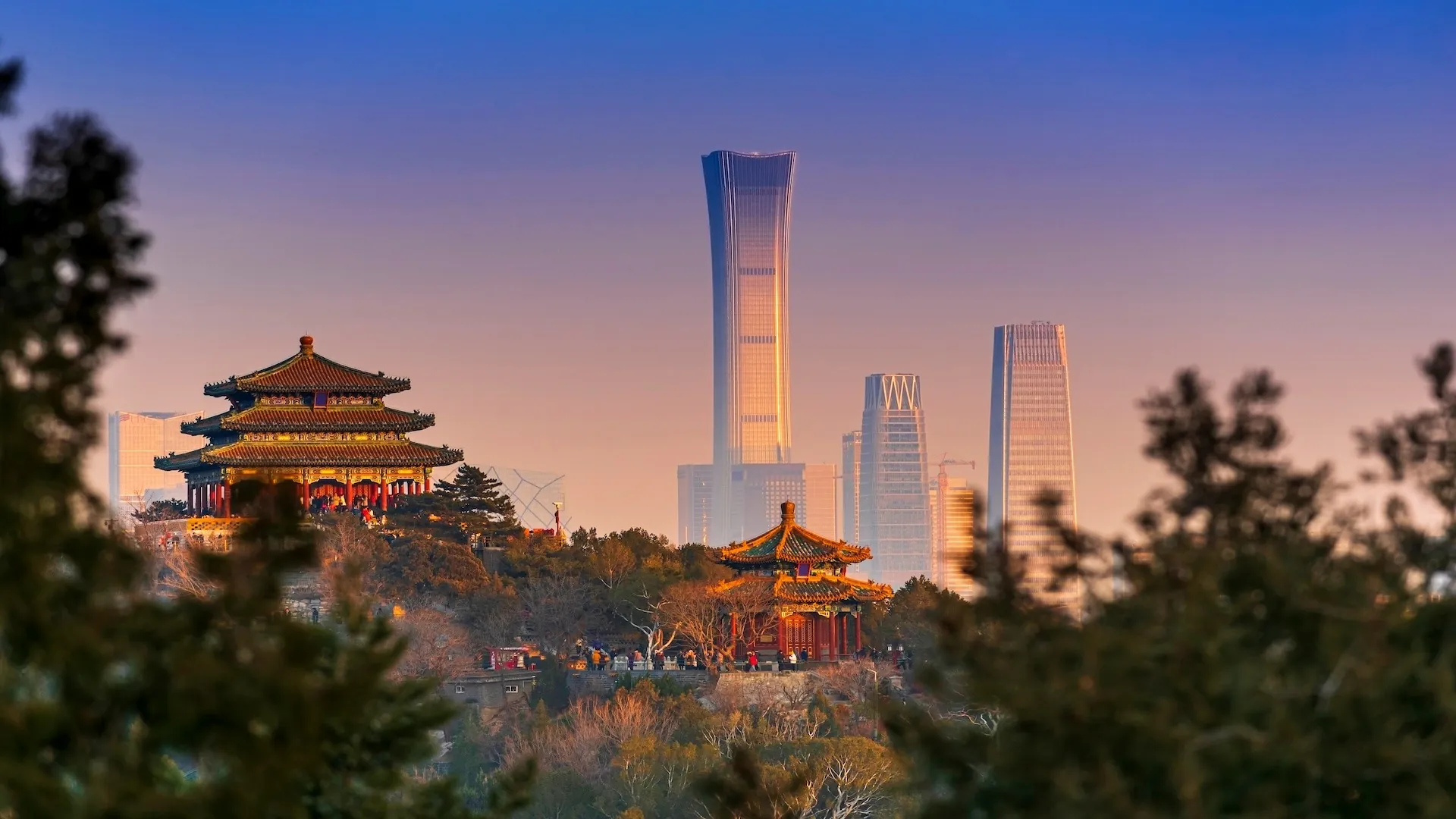
Day 4: Southern Niujie, Miancha Fragrance and Copper Pot Hot Pot
After wandering around Dongcheng and Xicheng for the first few days, today we are going to the true “culinary high ground”—Southern Niujie. There is a saying among Beijing foodies: “Beijing’s snacks are in Xuanwu, and Xuanwu’s snacks are in Niujie.” Although Xuanwu District has been merged, that authentic flavor is fully preserved.
Get your stomach ready today; it’s all heavy dishes and calorie explosions. I suggest wearing loose pants, or you might regret the belt being too tight in the afternoon.
Morning Awakening: The Calorie Bomb of a Bowl of Miancha
At 7:30 AM, if you can get up, I strongly suggest trying Miancha (seasoned millet mush). There aren’t many stalls making good Miancha anymore; while Huguosi Snack Shop has it, if you can find those small shops hidden at hutong entrances with long morning queues, the taste is completely different.
Miancha looks like paste, but it’s truly fragrant.
- What is Miancha: The base is a mush made of broomcorn millet, not cornmeal, for a finer texture. A thick layer of sesame paste is drizzled on top, then sprinkled with a layer of sesame salt.
- How to Drink It: This is a skill. Remember, never stir it with a spoon! Stirring makes it watery and unpleasant. The correct posture is: hold the bowl with one hand, bring it to your mouth, tilt it slightly, and sip while rotating the bowl. Every sip should capture both the mush below and the sesame paste above.
- Taste Experience: With the first sip, your mouth is filled with the thick fragrance of sesame paste, followed by the heat of the mush, and finally a hint of saltiness from the sesame salt. This thing is extremely high in calories; one bowl will keep you from feeling hungry until noon.
Morning Exploration: The Texture of Niujie Life
After drinking Miancha, take the subway to Niujie. Arrive at Guang’anmennei or Niujie Station around 9:00 AM.
Don’t go straight for food; browse the Niujie Mosque first. Although non-Muslims cannot enter the main hall, looking at the exterior walls and the Bangke Tower, which are full of exotic flavor yet fused with Chinese classical architectural styles, allows you to feel the cultural depth here.
Next, go to the Niujie Muslim Supermarket. This isn’t an ordinary supermarket; it’s a sample of Southern Beijing life.
My Supermarket Experience
Go straight to the meat counter on the second floor. You’ll see rows of beef and mutton hanging, bright red without that soggy feeling of water-injected meat. Watch how local ladies buy meat, listen to how they bargain with the stallholders and pick cuts—that’s the most vivid Beijing dialect listening material. If you’re staying in a homestay with a kitchen, even buying two pounds of mutton rolls to boil yourself would taste better than hot pot restaurants outside.
Lunch Climax: The “Clear Water Session” of Copper Pot Hot Pot
At 12:00 PM, it’s time for today’s highlight. Coming to Niujie without eating copper pot hot pot is like not coming at all.
Regarding choosing a shop, I’ll tell the truth: Although the Jubaoyuan Head Office is famous, if you don’t want to queue in the cold for two hours, the surrounding Manhengji or Baiyeju, or even any old shop with many people, won’t be much different in quality. Southern Beijingers have picky palates; bad shops don’t survive here for three months.
After sitting down, order according to the rules:
| Ordering Item | Key Point | Avoidance Guide |
|---|---|---|
| Pot Base | Must be clear water. Only scallion segments, ginger slices, red dates, and goji berries. | Don’t order a split pot; that’s an insult to good mutton. If the meat has a gamey smell, clear water will reveal it immediately—only good meat dares to be played this way. |
| Meat | Hand-cut fresh mutton is a must. If the meat doesn’t fall when the plate is held vertically, it means it’s fresh and dry. Recommended cuts are Yang Shang Nao (marbled) and Yang Mo Dang (tender). | Don’t order those colorful “premium fatty beef” or mutton frozen into rolls. Here, frozen meat is at the bottom of the hierarchy. |
| Dipping Sauce | Traditional sesame paste. Be sure to ask the server for more freshly fried chili oil, then drizzle with leek flower sauce and fermented bean curd juice. | Don’t look for satay sauce or seafood sauce; you’ll be laughed at by the old man at the next table. |
| Staple Food | Finally, you must have a freshly baked sesame bun (Shao Bing). The crust is incredibly flaky, and the inside is layered with sesame fragrance. | Don’t eat rice; it takes up too much room. If you really want noodles, get Zha Mian (mixed grain noodles) and boil them in the meat soup; they’re delicious after absorbing the mutton fat. |
Afternoon Dessert: The “Carb Bomb” Worth Queuing For
After the hot pot, stroll to the Baiji Niangao window at the Niujie intersection. At around 3:00 PM, queuing is unavoidable, but for this bite of sweet food, it’s worth it.
The pastries here are sold by weight, but I suggest you buy a little; they are extremely substantial.
- Lv Dagun (Rolling Donkey): The soybean flour on the outside is very fragrant; it must be eaten the same day, otherwise the flour gets damp and loses its taste.
- Lotus Leaf Zeng Gao: This is a massive sticky rice and jujube paste cake. The paste is extremely thick; every bite has a rich red date sweetness. It’s a bit sticky, but that soft, sweet texture is a magic cure for a bad mood.
Dinner Wrap-up: The Crispy World of Baodu (Quick-boiled Tripe)
By 6:00 PM, if your stomach still has room, find an old-fashioned Baodu shop near Xuanwumen.
Dinner isn’t suitable for heavy meat; have something crispy. Baodu is all about “crispness.”
- Selection of Cuts: If money is no object, order Du Ren; this is the “Filet Mignon” of tripe, extremely tender and as crispy as eating watermelon. For better value, order Baiye or Sandan.
- Judging the Heat: Good Baodu shouldn’t have water on the plate when served, and the sesame sauce bowl should be pre-mixed, not too thin. Pick up a piece with chopsticks, dip it, and eat; it should make a crunching sound. If it feels like chewing a rubber band, it’s overcooked; call the owner to complain.
- The Ultimate Side Dish: Must order Yuan Bao San Dan. This isn’t a cold dish but a quick stir-fry. Coriander stems (Yuan Sui) are used without leaves, stir-fried with sliced tripe over high heat with heavy white pepper. The fragrance of coriander perfectly suppresses any odor from the tripe, making it crisp and refreshing.
After eating through this day, you’ll find that Niujie food doesn’t have fancy presentation or decoration; it’s all solid meat and carbs. This is the character of Southern Beijing: solid, warm, and no-nonsense.
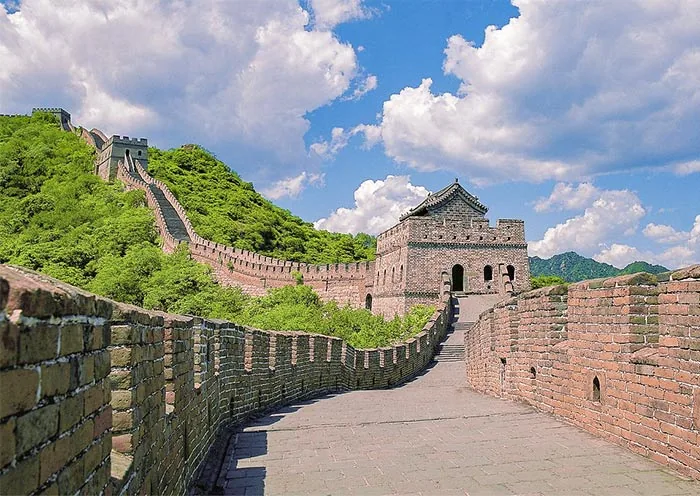
Day 5: Eastern Business Districts, Refined Morning Tea and Trip Conclusion
After eating through the “earthy” and “old” flavors of Beijing for the first four days, for the last day, I suggest you turn your gaze eastward. Beijing has more than just hutongs and city walls; it also has the skyscrapers of Sanlitun and Guomao. This is the complete Beijing—historical weight on one side, international flair on the other.
Today’s itinerary is relatively relaxed, mainly to let you end the journey comfortably and spend the remaining budget where it should be spent.
Morning Enjoyment: Slow Time with Fusion Morning Tea
At 9:00 AM, no need for an alarm; sleep until you wake up naturally. Pack your bags, check out and store them, then head straight to the Sanlitun or Guomao area.
On your last day in Beijing, don’t squeeze into Douzhir shops again. Beijing’s fusion cuisine is now quite excellent. Find an elegant Cantonese or Beijing-style fusion morning tea shop and eat quietly; it’s the best reward for your legs after days of walking.
The morning tea here is different from Guangzhou’s; it has more of a “Brunch” feel, refined and creative.
- Black Gold Lava Bun: A signature dish in many shops. The black skin is usually made with bamboo charcoal powder and brushed with gold powder, looking very luxurious. Bite into it, and the salted egg yolk lava filling bursts out; the sandy texture mixed with milk fragrance is pure healing.
- Truffle Shao Mai: Tired of ordinary pork shao mai? Try it with black truffle. The unique aroma of truffle elevates the pork’s freshness significantly, and it might be topped with a bit of caviar. One bite is the taste of money.
My Selection Logic
Don’t go to those noisy chain stores in the basement levels of large malls. Head toward Taikoo Li North or the high floors of China World Mall. The restaurants there usually have massive floor-to-ceiling windows, where you can sip Pu-erh tea while watching the traffic on the East Third Ring Road. Servers in this environment pour tea very gently and won’t disturb your daydreaming.
Lunch Feast: The Ultimate Fine Dining Experience
At 12:30 PM, this is the “last dance” before you leave Beijing. This meal is recommended for a Michelin two-star or three-star restaurant.
The current level of Fine Dining in Beijing is absolutely top-tier in China. In Chaoyang District, especially around Sanlitun, Liangmaqiao, and Guomao, there is a high concentration of top-level Western, Japanese, and creative Chinese restaurants.
This meal is more than just eating; it’s an experience:
| Experience Dimension | Points of Focus | Recommended Case |
|---|---|---|
| Ingredient Freshness | Ingredients in top restaurants are basically flown in daily. You will eat true seasonal food. | Xin Rong Ji: Although it’s Taizhou cuisine, it’s incredibly popular in Beijing. Their Home-style Braised Yellow Croaker is sold by weight; the fish meat is as tender as tofu and the sauce is so rich it sticks to your lips. Though expensive, you’ll remember that freshness for years. |
| Service Details | Good service is “subtle and silent.” Your water glass is never empty, and you hardly notice when plates are changed. | King’s Joy: Right across from Yonghe Temple. Though vegetarian, it’s a Michelin three-star for a reason. Servers speak softly, and the plating is like a painting. You’ll find that vegetarian food can be even more fragrant than meat, like “steaks” made from lion’s mane mushrooms that almost pass for real meat. |
| Environment | A good restaurant is an attraction itself. Some are hidden in bamboo forests, others overlook the whole city from the clouds. | When booking, try to get a window seat or a private room. Since it’s the last day, privacy is important for sorting out the photos and feelings of the past few days. |
Regarding Costs: The budget for this meal indeed needs to be high, with an average of 800 yuan or even over 1500 yuan being common. But believe me, it can shift your impression of Beijing from “a crowded place where walking is exhausting” back to “an international metropolis with both cultural depth and extreme modern luxury.”
After this meal, it will be about 2:00 or 3:00 PM. Your stomach and heart are both satisfied. On the way to the airport or station, watching the scenery retreat outside the window, you will feel that these five days in Beijing were complete and well worth it.
Related Guides
- 3-Day Silver-Haired Nostalgic Tour in Beijing | Old Brand Delicacies + Model Opera Screening + Educated Youth Themed Homestay
- 7-Day Slow Travel in Beijing for Autumn Charm | Red Leaves in Gubei Water Town + Zen Meditation at Hongluo Temple + Yanqi Lake Cycling Wellness Journey
- 4-Day Heartwarming Winter Beijing Itinerary|Hot Spring Private Bath + Copper Pot Hotpot + Family Snow Park Guide
- 4-Day Beijing Family Study Tour | Science Museum Exploration + Great Wall Archaeology Simulation + Novel Animal Night Stay Experience
- Beijing 3 Days 2 Nights Guide | Forbidden City Deep Dive + Badaling Night Great Wall + Universal Studios Express Pass
Palace Museum — — Key Facts
Where to Stay · Room Type · Nearby
- Wangfujing/Donghuamen (Dongcheng district) | Reference price Chinese-style/mid-to-high-end hotels, reference about CNY 300–800 per night | Room tip: King room or twin room; prefer hotels along Metro Line 1 | Nearby add-ons: Tian’anmen Square, Jingshan Park, Nanluoguxiang[src]
- Qianmen–Dashilan (Xicheng district) | Reference price Budget 2-star about CNY 260–300 per night; comfortable/3-star about CNY 460–480 per night (OTA reference) | Room tip: Standard twin/king room; note that some room types have no window | Nearby add-ons: Tian’anmen Square, Qianmen Street, Dashilan, Temple of Heaven[src]
Typical Climate & Packing (Past Years)
- January: -9.4–1.6 °C, Cold and dry; down jacket, hat and gloves needed; guard against wind
- February: -6.9–4.0 °C, Still cold; large day-night temperature difference
- March: -0.6–11.3 °C, Warming but windy; occasional dust
- April: 7.2–19.9 °C, Comfortable in late spring; most attractions switch to peak-season p
- May: 13.2–26.4 °C, Pleasant climate, good for walking tours
- June: 18.2–30.3 °C, Rainy season begins with frequent afternoon showers; some attraction






