



Day 1: Arrival, Settling In, and Old Beijing Copper Pot Hot Pot Dinner
Arriving in Beijing at this time, if the weather is good, you can see the very textured winter setting sun. Whether you land at Daxing Airport or Capital Airport at 2:00 PM, try to book your first stay in Qianmen, Chongwenmen, or along Subway Line 2/Line 8.
Why insist on these two areas? Because Beijing’s morning and evening peaks are no joke, and being stuck on the road with luggage and children for an hour is very frustrating. Staying here, you can basically walk or ride a bike to Tiananmen and the Forbidden City, so you won’t have to toss and turn early the next morning. If you choose to stay in a guesthouse in a hutong, be sure to ask the shopkeeper in advance if the car can be driven to the door. Many hutongs in old Beijing are one-way streets or prohibited for motor vehicles. Walking hundreds of meters on stone roads dragging a suitcase in the bitter winter is a very unpleasant experience.
16:00 Qianmen Street Walk and Dashilar Sightseeing
After checking in, take advantage of the fact that it is not completely dark at four o’clock in the afternoon to go to Qianmen Street. Walking south from the Zhengyangmen Archery Tower is the main street. Although it is commercialized, it is the only commercial area on the Central Axis of Beijing that can be strolled at will, making it very suitable as a “breaker” for the first stop.
I have two very specific suggestions: First, just take a photo of the Dangdang tram (vintage streetcar) on the main street; queuing to get on is both slow and cold, so it’s unnecessary. Second, turn from the main street into the nearby Dashilar (pronounced da shi lar) as soon as possible. This is where time-honored brands gather. Take your children to Neiliansheng to see how thousand-layer soles are stitched, to Ruifuxiang to feel the texture of silk, or even to the door of Tongrentang to smell the rich aroma of traditional Chinese medicine—this is much more interesting than simple shopping.
Regarding shopping, I must add one more thing: In this area, any place with red packaging labeled “Beijing Roast Duck” shouting 38 or 58 yuan per duck, absolutely do not buy it. That is an industrial assembly-line meat paste product that has nothing to do with real roast duck and is not even suitable as a gift. Similarly, those “freshly cut preserved fruits” weighed by the ounce are extremely expensive—a few pieces can cost over 100 yuan. If you want preserved fruit, just go to the supermarket and buy bagged Hongluo or Yushiyuan brands.
18:00 Dinner Arrangement: Traditional Charcoal Copper Pot Hot Pot
The first meal in winter must be copper pot hot pot. Do not go to the main branches of Nanmen Hot Pot or Ju Bao Yuan to wait in lines of hundreds; children cannot handle the hunger. Find a small shop in a hutong near Niujie, Hufangqiao, or around the Temple of Heaven where locals go; the taste is often more surprising.
A true Old Beijing copper pot emphasizes a “clear soup base.” It only contains scallion sections, ginger slices, goji berries, and shiitake mushroom broth, without any red oil base. Daring to use clear soup indicates high-quality meat.
How to order like a pro?
- Hand-cut Fresh Mutton: This is a must. When it’s served, stand the plate up 90 degrees; if the meat sticks firmly to the plate without falling, it’s good meat. This kind of meat doesn’t need much time in the pot; it can be eaten as soon as it changes color, and the fresh sweet flavor is very sufficient.
- Dipping Sauce: The sesame paste must be pre-mixed with fermented bean curd sauce and leek flower. If you feel it lacks flavor, you can ask the waiter for some freshly fried chili oil.
- Ordering Sequence: Blanch the meat first to let the mutton fat moisturize the pot; then add Omasum (beef tripe) (silently count “seven up and eight down” in the water, and fish it out once it curls); then add frozen tofu to soak up the broth; finally, be sure to add Chinese cabbage or vermicelli. By then, the umami from the soup is all in the vegetables, making for the most comfortable ending.
- Drinks: Don’t drink cola; have a glass bottle of Beibingyang (Arctic Ocean) soda, or the warm Lulu almond milk unique to this season.
| Item | Estimated Per Capita Cost | Notes |
|---|---|---|
| Dinner | 100-150 yuan | Try to arrive before 17:30 or call ahead for a number; queuing outdoors in winter is painful even for 10 minutes. |
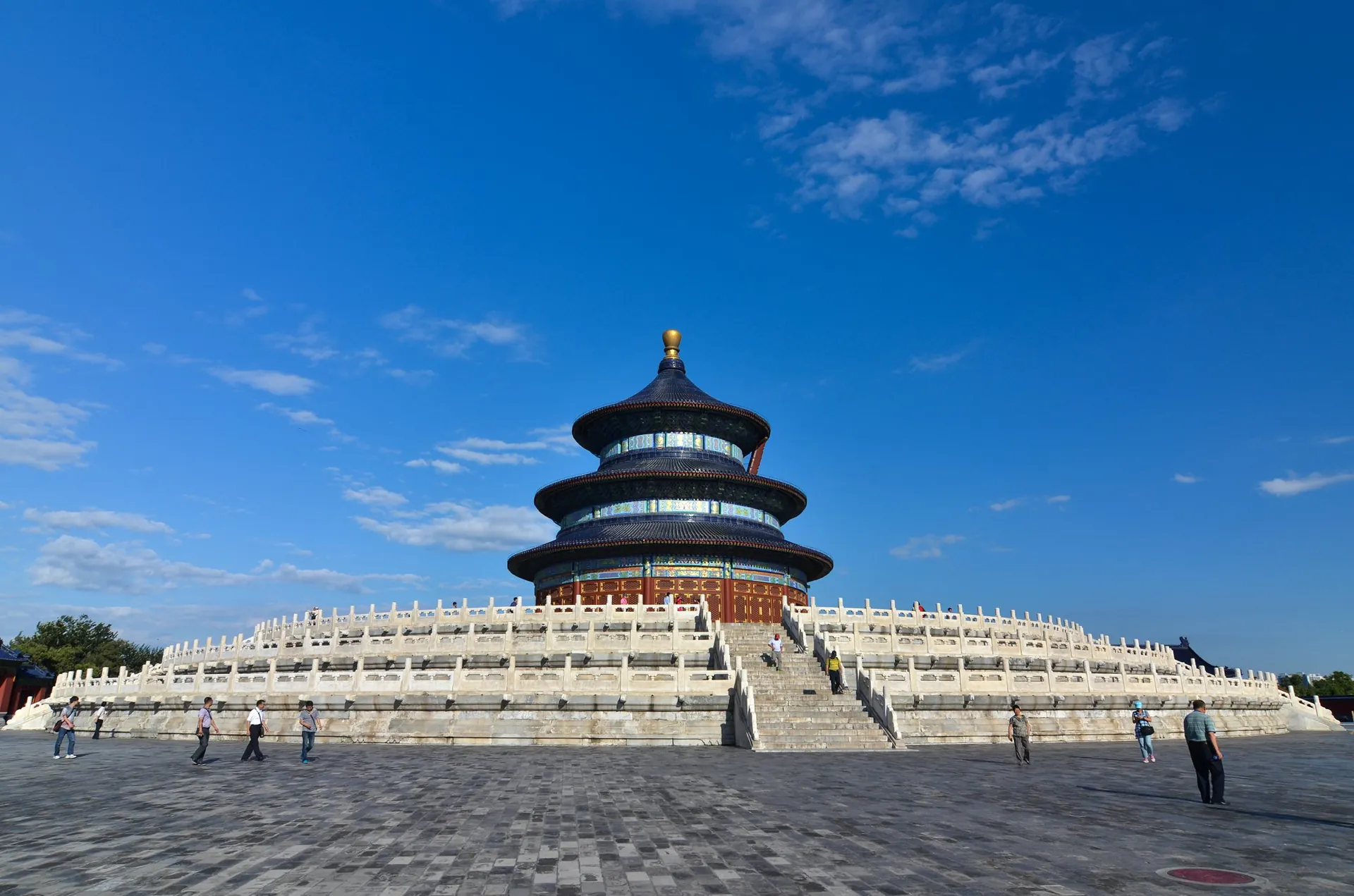
Day 2: Forbidden City History Exploration and Shichahai Ice Rink Fun
The step count for this day will definitely be the peak of the entire trip, starting at 20,000 steps. Moreover, the Forbidden City is all brick ground, which is hard in winter; if your soles are thin, your feet will ache after half an hour. It is recommended to wear a pair of thick-soled, soft sneakers or snow boots, and you can even stick a heat pad under the insole.
08:30 Forbidden City Entry and Tour Route
Regarding ticket booking, the difficulty is indeed very high. The official mini-program releases tickets at 8 PM 7 days in advance, and they are basically gone in seconds. If you only try for the main ticket and fail, try checking the combined ticket for the “Treasure Gallery” or “Clock Gallery”; sometimes there are opportunities to grab a spot.
Whether taking a taxi or the subway, you must enter from the Meridian Gate (Wu Men). The security line is long, so remember to hold your ID card in your hand and don’t rummage through your bag at the gate. After entering, most tour groups will head straight for the Hall of Supreme Harmony (Jin Luan Dian) and crowd the Central Axis to listen to explanations.
My experience with children is: quickly pass through the Hall of Supreme Harmony square, turn right into the East Road, and head straight for the Clock Gallery (Hall of Ancestral Worship) and the Treasure Gallery (Ningshou Palace area).
Why go this way? First, at the three main halls on the Central Axis, you can only peek at the dark interiors from the railings at the door, and children get bored after two glances. Second, the Clock Gallery has real Western clocks that might have demonstrations on the hour; those moving figures and fountains can keep a child staring for a long time. The Treasure Gallery has gold seals, crowns, and that huge jade carving of “Yu the Great Regulating the Water,” which has much more visual impact than empty rooms.
The Forbidden City in winter is truly cold, especially on the squares where the wind is piercing. Try to walk along the red walls with the children to block the wind. After wandering until about 12:00 PM, your stamina will be almost spent. You can have a simple meal at a restaurant inside (like the Ice Cellar), but it’s usually very crowded. It’s best to bring a thermos filled with hot water and some bread or Snickers to have a quick bite on a sheltered step to save time for the next stop.
Exit from the Gate of Divine Prowess (Shenwu Men) (North Gate) to end the Forbidden City trip.
14:00 Shichahai Ice Rink Skating Experience
After exiting from Shenwu Men, don’t try to hail a taxi; the gate is full of “black cars” looking for work or people queuing. Take a bus (Line 109 or Line 5) or scan a shared bike; a 15-minute ride will get you to Shichahai.
At this time, going to the Shichahai Qianhai Ice Rink is just right for the warmest part of the afternoon. Don’t go to the professional skating area that requires skates; take the kids to the comprehensive area to play with old-fashioned ice sleds.
Here are some play tips:
- Single Sled vs. Double/Dolphin Sled: If the child is over 5 years old, it is strongly recommended to rent a single sled. Give the child two metal spikes and let them row themselves. This thing has quite a bit of resistance; after a lap, they’ll be sweating and definitely won’t cry about the cold.
- Candied Haws String: If there are many people, you can hook several ice sleds together with your legs to form a “small train” to slide forward—this is the coolest way to play on the ice rink.
- Time Control: About 1.5 to 2 hours is enough. After four o’clock, once the sun sets, the temperature on the ice will drop sharply, and it’s time to retreat.
| Expense Item | Reference Price | Precautions |
|---|---|---|
| Ice Rink Ticket | 60 yuan/person on weekdays, 80-100 yuan/person on weekends | Price includes unlimited ice sled use; recommended to buy tickets online in advance as the onsite line is long. |
| Deposit | Usually 200-300 yuan | It’s best to prepare cash or ensure your phone is charged; don’t be in a rush when getting the deposit back. |
17:00 Drum Tower Area Stroll and Dinner
Coming out of the ice rink, walk east along Yandai Xiejie, and you’ll come out onto Gulou (Drum Tower) Street.
This is exactly the blue hour, and there are many people taking photos under the red walls of the Drum Tower. If you want to take a photo with that “Zhao Lei’s ‘Drum Tower'” feel, be careful not to stand in the middle of the road; Line 107 buses are frequent there and it’s very dangerous. Just stand behind the roadside bollards to take a shot using forced perspective.
Solve dinner right here at the Drum Tower; no need to go far.
- Yaoji Chaogan: Right at the foot of the Drum Tower. To be honest, Chaogan (a thick garlic-flavored pork liver and intestine soup) is something most out-of-towners probably won’t be used to. It’s recommended to just order one bowl to try it out, and have their pork and green onion buns as a staple, which are very soft.
- Mending Meat Pie: If you don’t want to queue at a trendy shop, find a small shop nearby that sells Mending meat pies. These things are like thick chess pieces; the skin is crispy, and they are full of broth when bitten into.
- Pitfall Tip: When eating Mending meat pies, never eat them in one go; the hot oil inside can scald the skin off your palate. Bite a small hole first to suck out the soup, then eat the meat.
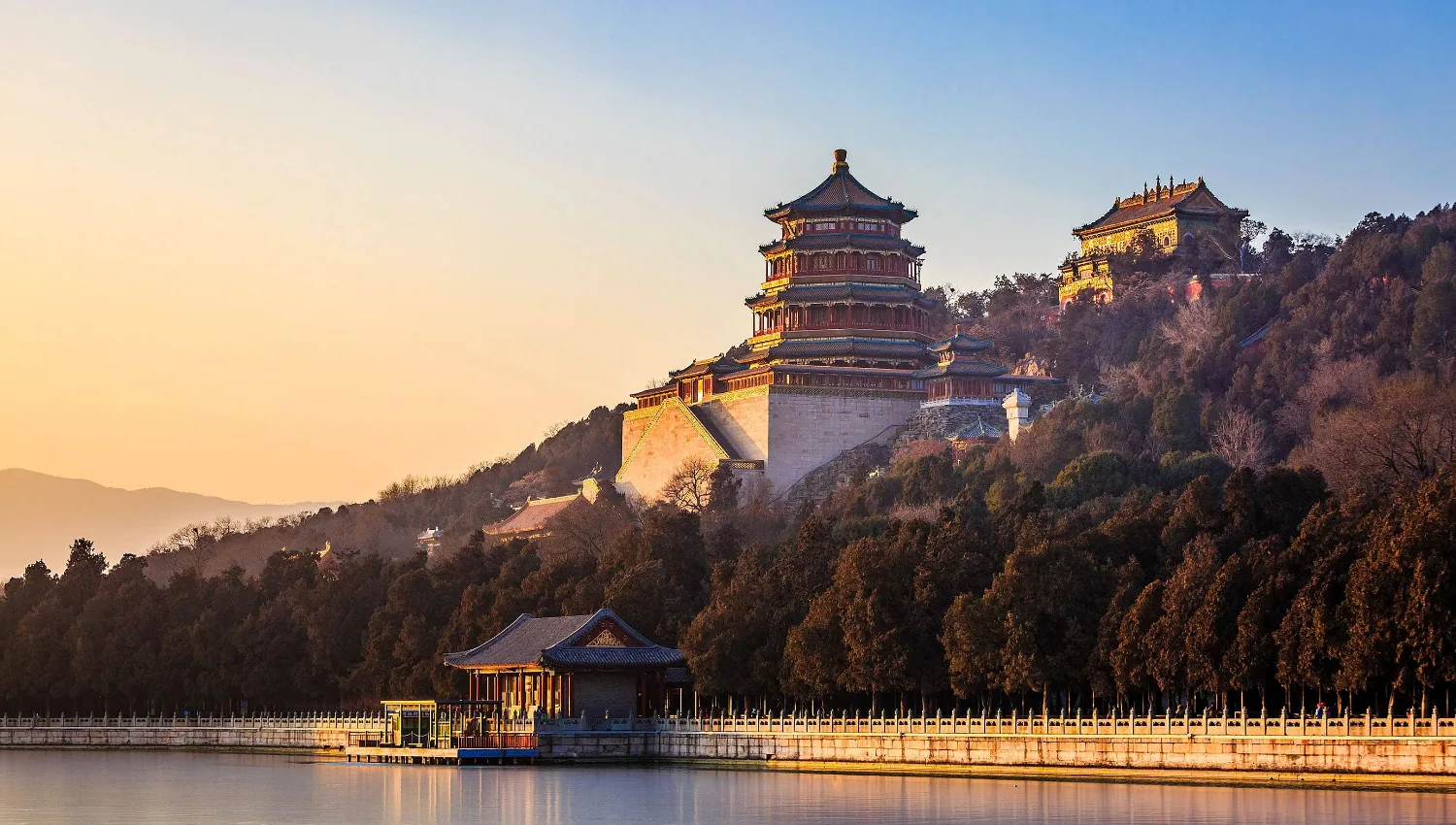
Day 3: Mutianyu Great Wall Scenery and Suburban Private Spring Relaxation
The rhythm of this day is “fire and ice”—braving the cold wind of the Great Wall in the morning and enjoying the warmth of the hot springs in the afternoon. Since you have to retreat from the city to the suburbs with large bags of luggage, I strongly suggest you book a full-day car service (approx. 800-1000 yuan/day, including driver) on a platform a day in advance. This way you don’t have to worry about navigation and parking, your luggage can stay in the car, and you can slump in the back seat to sleep after playing at the Great Wall, which is much more comfortable than driving yourself or taking a bus to Huairou.
09:00 Depart for Mutianyu Great Wall
Why do I always recommend taking kids to Mutianyu instead of Badaling? The reason is simple: Badaling is about seeing heads, while Mutianyu is about seeing scenery. The proportion of foreign tourists here is high, commercialization isn’t as heavy, and the high vegetation coverage gives it a desolate, beautiful winter feel perfect for photos.
Upon reaching the scenic area gate, you must take the shuttle bus to the ticket check. There are two routes up the mountain from here:
- Enclosed Cable Car (Speed): Fully enclosed, windproof and warm, it takes you to Watchtower 14. This is suitable for families with elderly people or small babies.
- Open Chairlift: Like a ski resort chairlift where your legs hang in the air, it takes you to Watchtower 6. This is more exciting, but it can be a bit cold for your bottom in winter.
If the child is over 6 years old and brave enough, I have a secret route: Take the enclosed cable car up to Watchtower 14, walk toward Watchtower 20 (Hero Slope direction) for a bit—no need to reach the top, just walking to 16-17 takes about half an hour—take enough photos and return to 14. Then! Here comes the highlight! Be sure to take the slide down the mountain.
That slide is like a giant stainless steel slide where each person sits on a small sled. The thrill of flying close to the ground is definitely the most unforgettable memory for children these few days. It’s even more fun than a Disney roller coaster.
Special Reminder: The wind on the Great Wall has a whistling sound, and the perceived temperature is at least 5 degrees lower than the forecast. Be sure to wear a down jacket hood, and it’s best to prepare earmuffs for the child. Gloves must be windproof and waterproof; never wear those fingerless woolen gloves, as your hands will freeze when grabbing the iron railings.
15:00 Check-in at Hot Spring Hotel and Private Spring Pool Experience
Coming down from the Great Wall at around one o’clock, have a simple meal at Subway or Burger King at the scenic area gate (more reliable than the Chinese food inside), then get in the car and head straight for Xiaotangshan in Changping or Bohai Town in Huairou. The drive takes about an hour, and the child can just take a nap in the car.
Don’t skimp on this night’s accommodation; be sure to choose one with a private spring. I’ve stayed at those “hot spring resorts” where the public pools are like “cooking dumplings,” and the path between pools makes people shiver with cold.
- How to choose a private spring: Look at the floor plan. It’s best to choose a pool on an indoor balcony or a semi-outdoor one with a glass roof. A completely open outdoor private spring looks romantic, but if there isn’t extremely strong heating equipment, you’ll regret it the moment you take off your clothes.
- Temperature Control: The benefit of a private spring is that you turn the faucet yourself. When filling the water, start with hot, and the depth only needs to reach the child’s chest.
There’s an easily overlooked detail when soaking in hot springs: dehydration. I once let a child soak too much, and they came out with a face as red as Guan Yu and a nosebleed—it was just too dry. Before entering the pool, give the child a large glass of water. While soaking, place a plate of cut fruit (like watermelon or orange) nearby. Don’t soak for more than 15 minutes at a time; get up and rest in a bathrobe for a while.
Have dinner at the guesthouse or hotel restaurant. Local specialties include Chestnut Braised Pork (Huairou specialty chestnuts) and Rainbow Trout (usually grilled or braised; raw is not recommended). Stew a pot of something hot, and after eating, go back to the room for another round of soaking—this is the correct way to open a winter vacation.
| Area Suggestion | Advantages | Disadvantages | Recommended For |
|---|---|---|---|
| Xiaotangshan, Changping | True geothermal resources, many old-brand hotels, mature service. | The surrounding area is like a big village with nothing to see except for soaking. | Families who care about water quality and just want to soak. |
| Bohai Town, Huairou | Very close to Mutianyu (20 mins drive), many trendy guesthouses, good design, great for photos. | Many use “boiler water” instead of real hot springs, and prices are generally high (2000+ on weekends). | Young parents pursuing accommodation environment and photography. |
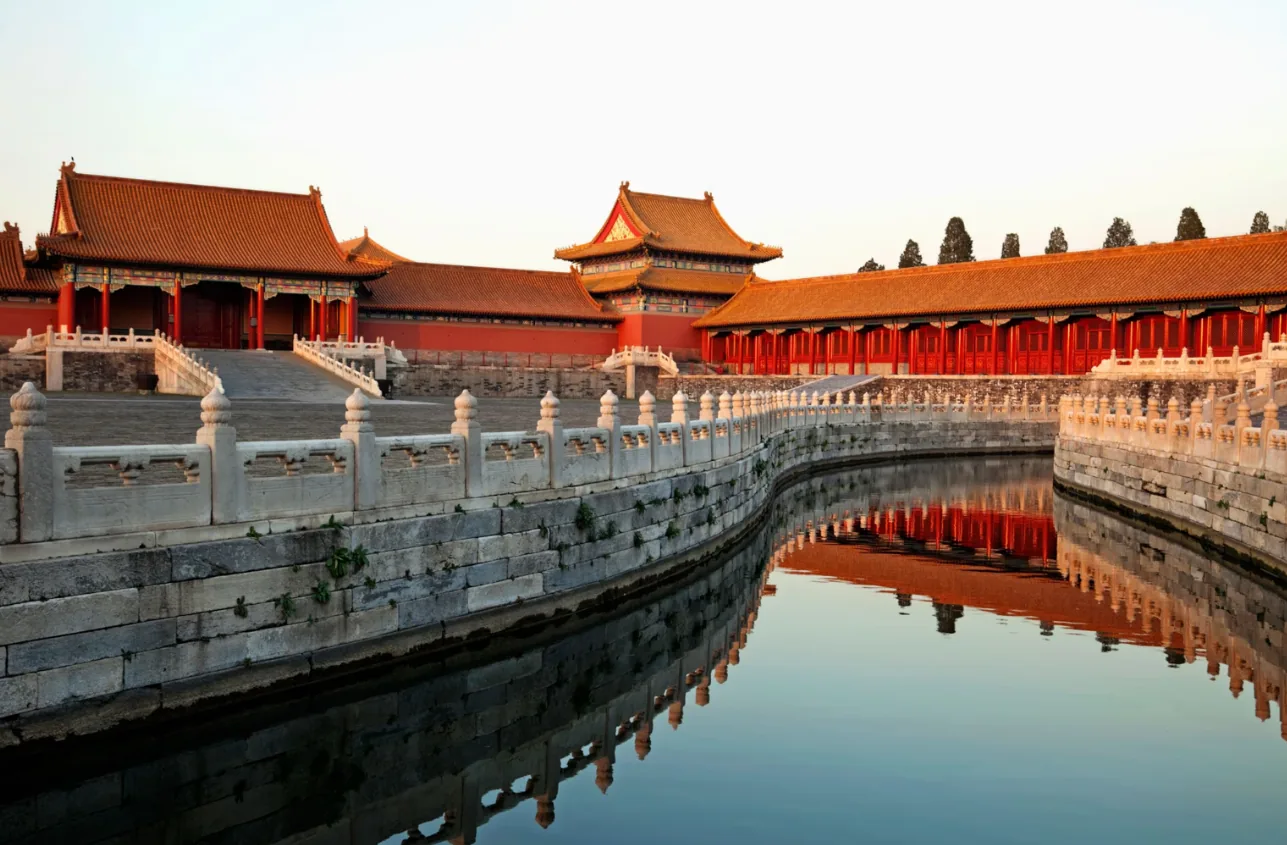
Day 4: China Science and Technology Museum Interaction and Return Arrangements
For the final day’s itinerary, I usually arrange things to be a bit more “reserved.” After three days of special-forces-style travel, both adults and children are out of power. At this time, going to the indoor Science and Technology Museum is most suitable; it’s warm, kids can play by themselves, and adults just need to sit and watch. Moreover, it’s close to the highway entrance to the airport, so you don’t have to worry about getting stuck in the city center.
09:30 China Science and Technology Museum Parent-Child Visit
It is located next to the Olympic Park, just north of the Bird’s Nest. After checking out in the morning, take a taxi to the West Gate of the Science and Technology Museum. Why the West Gate? Because there is a dedicated large luggage storage area here, free and spacious; even a 28-inch suitcase is no problem. Store your luggage and enter the museum with ease.
Regarding tickets and hall selection, I have very specific age-based suggestions:
- Ages 3-8 (Early Childhood): Be sure to buy tickets for “Science Paradise” (located on the first floor). This is a completely enclosed children’s area, so you don’t have to walk until your legs break like in the main hall. Inside, there is that classic large-scale water conservancy project model where kids can play with water for an hour wearing waterproof aprons. There’s also that giant hamster wheel, which is great for burning off energy.
- Ages 8+ (School-age): Buy the “Main Exhibition Hall” pass. “Exploration and Discovery” on the second floor and the “Space Station” on the fourth floor are the highlights. Especially recommended is taking the kids to see the “Mechanical Rolling Ball” device that runs through four floors; it demonstrates every half hour and is very shocking.
There’s a lunch issue to solve here. The taste of the restaurant in the basement of the Science and Technology Museum is average, and the lines are very long at mealtime. I suggest you buy sandwiches, rice balls, or bread at a convenience store the night before and find a rest area in the museum to eat. Saving time for projects is much more worthwhile than queuing for an expensive rice bowl.
14:00 Bird’s Nest and Water Cube Exterior Photo Session
Exit the Science and Technology Museum at 2:00 PM and walk south through the Olympic Park. This path is quite open, and the winter wind is harsh, so zip up your jacket to the top.
Walk to the square between the Bird’s Nest and the Water Cube; this is the best spot to photograph these two buildings.
- Should you go in? I strongly discourage buying tickets to go inside. Unless you have a particular obsession, the dozens of yuan spent on tickets only gets you a view of empty seats and concrete stands. The essence of these two buildings lies entirely in their exterior skins and nighttime lighting.
- Must-do: Buy a cultural creative ice cream for the child on the square (even if it’s cold, it’s refreshing after staying in heated rooms), and take a photo with the ice cream against the Bird’s Nest—this is the standard check-in ritual for having been to Beijing.
16:00 Return Journey
You must start moving toward the airport or railway station at four o’clock. Beijing’s evening peak starting from five o’clock can become very terrifying, especially around the North Fourth Ring Road area.
Depending on your return location, the required reserved time is completely different:
| Return Location | Transport Suggestion | Reserved Time | Notes |
|---|---|---|---|
| Capital Airport (PEK) | A taxi is most convenient; take the Airport Expressway. | 40-50 mins | Very close; taxi fare is about 60-80 yuan. |
| Daxing Airport (PKX) | Extremely far (south); recommended to take a taxi to Caoqiao Station then the Airport Express. | 2+ hours | Taxis will likely hit traffic and cost over 200 yuan; strongly recommend the subway. |
| Beijing South Station | Subway Line 8 direct; do not take a taxi. | 1 hour | South Station security is crowded; leave an extra half-hour margin. |
Related Guides
- 4-Day Beijing Family Study Tour | Science Museum Exploration + Great Wall Archaeology Simulation + Novel Animal Night Stay Experience
- Beijing 3 Days 2 Nights Guide | Forbidden City Deep Dive + Badaling Night Great Wall + Universal Studios Express Pass
- 3-Day Autumn Stroll in Beijing | Wander in the Painting at the Summer Palace + Fragrant Hills Red Leaves + Hutong Cafe Hopping Guide
- Beijing 4-Day Summer Water Fun Tour|Water Park + Rafting Experience + Indoor Ice Rink
- Beijing 5-Day Panoramic Tour|Complete Guide to Three Major Heritage Sites + Two Major Theme Parks + Six Major Museums
Palace Museum —: Numbers to Check
Where to Stay · Room Type · Nearby
- Wangfujing/Donghuamen (Dongcheng district) | Reference price Chinese-style/mid-to-high-end hotels, reference about CNY 300–800 per night | Room tip: King room or twin room; prefer hotels along Metro Line 1 | Nearby add-ons: Tian’anmen Square, Jingshan Park, Nanluoguxiang[src]
- Qianmen–Dashilan (Xicheng district) | Reference price Budget 2-star about CNY 260–300 per night; comfortable/3-star about CNY 460–480 per night (OTA reference) | Room tip: Standard twin/king room; note that some room types have no window | Nearby add-ons: Tian’anmen Square, Qianmen Street, Dashilan, Temple of Heaven[src]
Typical Climate & Packing (Past Years)
- January: -9.4–1.6 °C, Cold and dry; down jacket, hat and gloves needed; guard against wind
- February: -6.9–4.0 °C, Still cold; large day-night temperature difference
- March: -0.6–11.3 °C, Warming but windy; occasional dust
- April: 7.2–19.9 °C, Comfortable in late spring; most attractions switch to peak-season p
- May: 13.2–26.4 °C, Pleasant climate, good for walking tours
- June: 18.2–30.3 °C, Rainy season begins with frequent afternoon showers; some attraction






