



Day 1 Departure from Kunming: Vehicle Preparation + Dali via Hangrui Expressway
A week before departure, I was staring at my car—driving over 300 kilometers on the highway, there could be no carelessness. At 9 AM on Monday, I took the car to the 4S shop I usually visit near home. The mechanic crouched under the car, tapped the front wheel, and looked up: “3 mm of tread left. For a long trip, you have to change them, otherwise, it’s easy to slip on rainy days.” I watched him remove the old tires and replace them with Michelin Primacy 4. The new tread felt thicker to the touch. The mechanic specifically said, “These are quiet; they won’t give you a headache from highway noise.” Then he checked the brake discs, measuring them with a caliper: “8 mm left, enough for you to drive 20,000 kilometers, rest easy.” Finally, he topped up the glass water. The mechanic handed me a hand-written card: “Call this if you have trouble on the road; we offer on-site rescue within Yunnan province.”
Supplies were gathered the night before at the pharmacy and supermarket at the compound entrance. The pharmacy lady grabbed my arm and recommended medical-grade oxygen cylinders: “30 yuan a bottle, half the price of the scenic spots, high purity. Just in case you have a reaction in Dali, two puffs will help.” I bought two bottles and tucked them into the emergency kit in the trunk. For the fleece jacket, I chose Uniqlo’s light padded model with Velcro cuffs; the clerk said, “Dali is only about 10 degrees in the morning and evening, this piece isn’t stuffy, and you can take it off if it gets hot at noon.” I picked a small 300ml Zojirushi thermos, lightweight, thinking that even if the kettles in highway service areas are dirty, it’s enough to brew some goji berry water.
At 8:30 AM, I entered the Hangrui Expressway from the Kunming West Toll Station. Traffic was refreshingly light at the start. I set the cruise control to 110, listening to Jay Chou’s “All the Way North,” watching Dianchi Lake slowly shrink into a tiny blue dot while corn stalks in the rice fields swayed with the wind. After passing the Anning Tunnel Group, every tunnel entrance was marked “Speed Limit 80.” I released the throttle in advance to avoid speeding and narrowly avoided being caught by a camera right after exiting a tunnel. At 11:30 AM, I arrived at the Chuxiong Service Area and parked in space No. 3. The aroma from the wild mushroom stall nearby wafted over. I hurried to buy a bowl of Xiaoguo Mixian (small pot rice noodles): 12 yuan, the chicken broth was thick, with meat slices, wood ear mushrooms, and sour pickled vegetables—it warmed me up and perfectly quenched my parched throat from the road.
At 2 PM, I hit the road again. The road conditions remained smooth. 40 minutes later, I reached Nanhua, and further ahead was the Dali border. At 4:10 PM, I finally arrived at Dali Xiaguan and navigated to “Erhai Gate Guesthouse”—the landlady was actually waiting in the lobby, wearing a blue-and-white Bai batik dress. She smiled while helping with my luggage: “Tired out, girl? I saved a room for you facing Cangshan Mountain; you can smell the pine trees from the window.” The room was on the 3rd floor. Opening the door, I indeed saw the outline of Cangshan. The bed was covered with Bai embroidery sheets, and the bathroom had an electric towel rack that felt warm to the touch—instantly felt worth it.
I dropped my bags and rushed downstairs. The “Fuxingli” Bai restaurant mentioned by the auntie was just diagonally across. Pushing the door open, the owner wearing glasses looked up and smiled: “Recommended by the auntie? The sour and spicy fish is Gong fish caught just this morning.” I ordered the Sour and Spicy Fish (38 yuan), Rushan Sachima (15 yuan), and Cold Chicken Rice Noodles (12 yuan). The broth for the fish was simmered with tomatoes and sour papaya. The fish was still twitching when served; a chopstick-full was so tender it shook, spicy enough to be satisfying but not harsh on the stomach. The Rushan Sachima was freshly made; the milky fragrance of the Rushan wrapped around the maltose, crispy but not greasy, unlike the cloyingly sweet ones bought in supermarkets. The chicken in the cold rice noodles was shredded fine, paired with sour pickled vegetables and fried peanuts, refreshing and appetizing—I even finished half the soup, leaving my belly rounded and full.
Sitting on a small stool at the restaurant entrance, watching the sunset dye Cangshan orange-red, with the scent of a neighboring Rushan stall drifting in the wind, I suddenly heard the owner shout: “Girl, going to Dali Ancient City tomorrow? I’ll save a parking voucher for you.” Yeah, this is the real beginning of the trip.
Minor Details Addendum: There are rest areas every 50 kilometers on the highway. I didn’t dare drive for long periods and stopped every 1 hour to stretch my legs. At the wild mushroom stall in Chuxiong Service Area, the boss said, “This Ganba mushroom was just picked yesterday, 100 yuan per jin, want to take some back for fried rice?” I didn’t buy any, fearing the smell would linger in the car, but I noted it down for future reference.
Expense Summary: Vehicle prep (tires + check) 200 yuan, supplies 100 yuan, highway tolls 120 yuan, lunch + dinner 80 yuan, guesthouse 350 yuan (two nights, booked in advance)—total spend for the first day was roughly 850 yuan, quite steady.
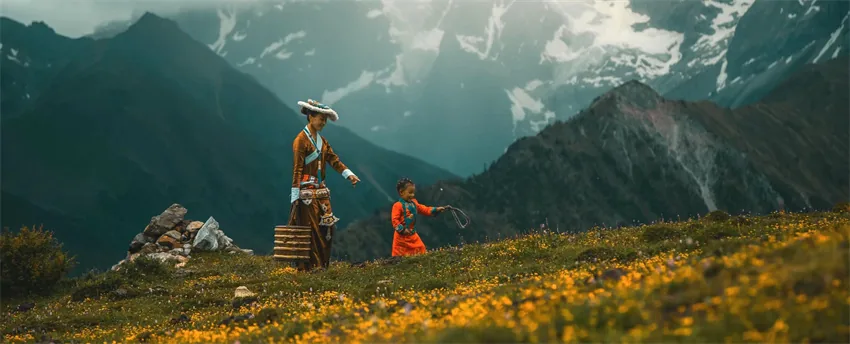
Day 2 Cycling Around Dali: Erhai Cycling + Eating through Dali Ancient City
At 7:50 AM, I strolled to the e-scooter rental point at the North Gate of the Ancient City. An uncle in a batik T-shirt was crouching on the steps wiping a scooter. Seeing me, he stood up: “Rent this one with a 60-kilometer range; it’s enough for half a loop around Erhai—don’t ride to Huanhai East Road, the downhill wind there is strong, and beginners easily run out of battery and get stranded.” I squeezed the rubber vibration dampers on the handlebars, tested the emergency brakes (no locking, good), and scanned the code to pay 80 yuan—10 yuan cheaper than on Meituan. The uncle added: “If it breaks, call me anytime, I’ll be there in 10 minutes to fix it.”
Preparations I made before setting off
- Vehicle Check: Tested the brakes (both front and rear were responsive), tested the lights (high and low beams normal), checked tire pressure (the uncle helped inflate them to 2.5 bar, saying it saves power).
- Supplies: Sunscreen sleeves (UV is strong, bare arms burn easily), waterproof phone bag (to prevent splashes while taking photos by the sea), small backpack (to hold wallet, tissues, power bank, freeing up hands).
At 8:30 AM, I rode into Longkan Pier. The water was covered in a layer of mist like thin milk. The wind carried the unique fresh, fishy scent of Erhai, blowing my stray hairs against my temples. An auntie selling flower cakes on the roadside shouted: “Rose filling, freshly baked!” I bought one; the sweet fragrance of the petals “popped” out when I bit into it. The crust was so flaky it crumbled—three times better than the frozen ones in supermarkets. Riding to the Caicun section, I saw long lenses and tripods lined up by the railing of the Panxi S-bend from afar. I quickly pushed my scooter under a tree and crouched on a green stone by the shore to find an angle—the morning breeze rippled the water, and Cangshan in the distance looked like an ink brush dipped in milk. I held my phone above my head and took 12 shots in a row, eventually picking the one where a ripple just crossed the lens; it’s still my wallpaper now.
Must-Eat List for Xizhou Ancient Town
| Shop Name | Recommended Dish | Reason to Eat | Price |
|---|---|---|---|
| Yang Shunbao Posu Baba | Salty Ham Filling | Flaky crust, savory ham mixed with slightly sour wheat dough | 8 yuan/piece |
| Old Xizhou Rushan | Fresh Fried Rushan Sachima | Freshly made, strong milky aroma without being greasy | 15 yuan/portion |
At 11:30 AM, I drifted into Xizhou Ancient Town. The “Yang Shunbao Posu Baba” sign with red letters on a black background hung under an old locust tree, with a string of dried chilies hanging at the door. The boss, wearing a baseball cap and with flour on his hands, shouted: “The salty ham ones were just sliced, the sweet ones are rose sugar—which one?” I stared at the sizzling baba on the charcoal stove and swallowed, picking the salty one. I watched him cut a thick slice of ham from the board, wrap it in layers of flaky pastry, press it into a disk, and push it into the furnace. After five minutes, the baba came out, the outer skin baked to a golden translucent finish. I took a bite—the flaky crust crumbled onto my knees. The savory ham mingled with the sweetness of the wheat flour, and the soft center had a slight tang from fermentation; it was ten times better than the sweet version. Sitting on a bamboo stool in front of the shop, the owner gave me a piece of Dali stone Rushan. The milky fragrance was so thick it stuck to my teeth; I didn’t leave a single crumb.
In the afternoon, not wanting to squeeze through the crowds on the main street, I followed the navigation into the narrow alleys of Renmin Road—the bluestone pavement was worn shiny, and both sides were lined with small shops hanging batik cloths that swayed in the wind. At the end of the alley, I saw an “Old Silversmith” shop with handmade silver rings displayed in a glass cabinet. A bearded boss sat at a workbench hammering silver pieces. I leaned in, and he looked up with a smile: “Want to make a ring? Pick a piece of silver, and I’ll teach you.” I chose a small silver strip the size of a fingernail. He heated it red over an alcohol lamp, flattened it with pliers, shaped it with a fine file, and finally used a graver to carve a tiny “Dali” in seal script on the inside. The whole process took half an hour. As I put on the ring, the boss said: “Consider it a souvenir, I’ll charge 20 yuan for the material—tourist spots sell them for 50, I don’t make dishonest money here.”
Tips to Avoid Pitfalls in the Ancient City
- Avoid Main Street Peaks: Between 2-4 PM, the main Renmin Road is packed with tour groups. Duck into alleys (like “Honglongjing Alley” or “Yeyu Road”) for fewer people and a look at old houses.
- Don’t Haggle Too Hard: Handmade silver jewelry has high costs. After the boss gives a price, counter-offering by 30% is about right. Being too aggressive might get you blacklisted (personal experience: the boss might just say “not selling”).
At 5:30 PM, I climbed the Wenhua Gate. The stairs smelled of old wood, and the handrails had “XX loves you” carved by tourists. I walked up on my tiptoes. At the top, the sunset hit Cangshan perfectly—the peaks were dyed orange-red, like a layer of thick honey. The wind carried the scent of Magnolia, and the light strings in the ancient city below lit up—red and yellow twinkling like someone had scattered stars on the ground. I leaned against the railing, watching the hustle and bustle below. An auntie selling roasted Erkuai shouted, “Want sweet sauce?”, and a tourist ran past holding a marshmallow. I suddenly understood what “healing” means—it’s not a nine-grid photo on social media; it’s the reality of the wind carrying flower scents into your nose, and the relaxation of the sunset stretching shadows long.
Minor Details Addendum: Be sure to wear sunscreen when cycling! The sun in Dali can burn your arms even through the clouds. I brought a hat and sunglasses and didn’t get burned. Xizhou Baba must be eaten while hot; once cold, the crust softens and the taste is halved. The alleys of Renmin Road hide many local handmade shops; don’t just stare at the influencer shops on the main street—dive in to find more sincere things.
Daily Expense Summary
- E-scooter rental: 80 yuan
- Flower cake + Posu Baba + Rushan: 10+8+15=33 yuan
- Handmade silver ring: 20 yuan
- Roasted Erkuai + bottled water: 6+5=11 yuan
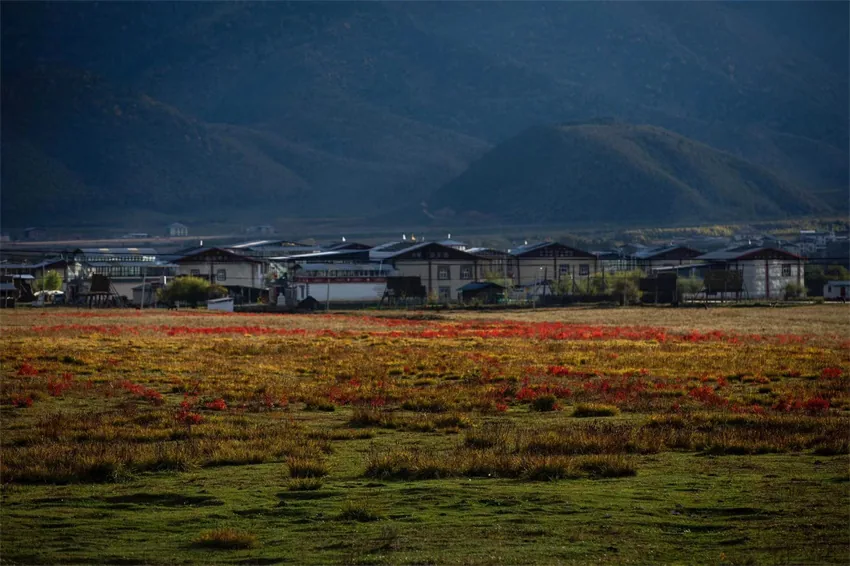
Day 3 Dali to Lijiang: Shuanglang Observation Deck + Shuhe Ancient Town Slow Travel
At 9:00 AM sharp, I locked the e-scooter in the parking shed at the North Gate of the Ancient City—the scooter I rented yesterday had some battery left, but it’s safer for a long journey. I grabbed a shared bike and rode towards the highway entrance, passing the wetlands in Caicun where egrets were flying in the reed marshes, their wingtips skimming the water and splashing tiny droplets. 10 minutes later, I arrived at the Hangrui Expressway entrance. After getting onto the Dali-Lijiang Expressway, traffic suddenly halved. I set the cruise control to 110. Along the way, I could see vast pear orchards with greenish-yellow fruits hanging, and rice paddies with newly budding rice swaying like green waves in the wind.
The bends onto National Highway 214 began to increase. Every turn revealed the folds of Cangshan, some peaks still holding patches of snow. Passing through Shuanglang Town, the navigation prompted: “1 km ahead to Haijie No. 1 Observation Deck.” Remembering the guide said this was the “ultimate spot for Erhai and Cangshan in the same frame,” I quickly turned in—the parking lot charged 10 yuan and the spaces were wide. After parking, I walked 50 meters to the edge of the deck. The wind hit me with the salty, moist scent of Erhai. My hand holding the phone mount shook slightly. The water was a clear pale blue, like the sky had been crumbled and sunk into it. The shadows of Cangshan fell on the water, creating green stripes of varying depths. I took a photo using “Panorama Mode”: Erhai’s ripples on the left, Cangshan’s ridgeline on the right, with a hint of Cangshan’s snow peak peeking through in the middle. I later set this as my WeChat status.
A guy in a navy jacket was crouching nearby, snapping away with a DSLR. I approached and asked, “How long have you been shooting, brother?” He said, “I came from Lijiang specifically to wait for the light at this time—after 3 PM, Cangshan’s shadow will be more slanted, and the water will have a mirror reflection.” I noted that down, planning to come back tomorrow to re-shoot.
At 11:40 AM, I left Shuanglang and drove along National Highway 214 towards Lijiang. The mountain road wasn’t too steep, but I had to watch out for oncoming traffic on the bends. At 12:50 PM, I arrived at the Lijiang Toll Station and took a taxi directly to Shuhe—the driver was a Naxi uncle, playing Naxi ancient music in the car. He smiled and asked, “Dayan? Or Shuhe?” I said, “Shuhe, fewer people.” The uncle nodded: “Shuhe is good, it hasn’t changed much. I used to herd cows here when I was a kid.” The car drove for 20 minutes, passing the meltwater streams from Jade Dragon Snow Mountain. The water was so clear you could see the pebbles at the bottom. The uncle stopped: “Want to play for a bit? This water is very cold; it’s comfortable to soak your feet here in summer.” I didn’t get out, but I took a photo of the stream, with Cangshan reflected in the ripples.
At 2:10 PM, I arrived at Shuhe and went to Qinglong Bridge first—lotus patterns were carved on the stone bridge railings, the bridge body was covered in moss, and the river water underneath flowed slowly. An auntie selling handmade shawls sat on a small stool by the bridge weaving. I picked a blue-and-white batik shawl for 15 yuan. She said, “I dyed this just yesterday using woad; it won’t fade.” Once I put it on, the wind blew it up, carrying a faint herbal scent.
Turning into an alley, I saw the “Tinghua Tang” wooden sign hanging from an old locust tree; the red paint was peeling slightly but had great texture. Pushing the door open, the osmanthus trees in the courtyard were in full bloom, their fragrance almost overwhelming. The owner was a Naxi woman in a navy batik dress who greeted me with a smile: “Rose Pu’er or Jasmine tea?” I chose Rose Pu’er for 38 yuan a pot. She led me to the second floor. The wooden stairs creaked, and the second-floor window faced Qinglong Bridge, offering a view of people crossing—girls in ethnic costumes taking photos, elders playing chess under the trees, the pieces hitting the stone table with a “click.” I chatted with the owner. She said, “Tinghua Tang is my grandfather’s old courtyard. It used to be a resting place for tea-horse caravans, now converted into a tea house to preserve its old appearance.” Holding the tea cup, smelling the mixture of rose and osmanthus, watching the life below, I suddenly felt that “slow” is the true meaning of travel.
At 6:30 PM, I took a taxi to Sifang Street for “A’po Cured Pork Ribs”—the owner was an old lady wearing a silver bracelet, shouting at the door: “Young girl, small pot or large pot?” I picked the small one for 88 yuan. When the pot arrived, the cured ribs were piled like a mountain, and the broth was dark brown and steaming. I first had a bowl of soup; it was so savory my tongue almost melted, with a hint of cured aroma and a sweet aftertaste. The ribs were stewed very tender, the meat falling off the bone. I devoured three pieces and added potatoes and radishes, which became soft and soaked up the broth. Seeing how much I enjoyed it, the owner handed over a plate of deep-fried Rushan: “Free, to cut through the greasiness of the hotpot.” The Rushan was so crispy it crumbled, with a milky fragrance that indeed balanced the heavy cured flavor.
The friend I was with said while eating, “This soup smells even better than my mom’s.” We both finished two bowls of rice and eventually drank all the soup, so full we could hardly walk. On the taxi back to the guesthouse, I rubbed my rounded belly and laughed: “Gotta eat less tomorrow, or I won’t be able to cycle around Erhai.”
Daily Transportation & Food Summary
- Transportation: Dali to Lijiang total approx. 140 km via Dali-Lijiang Expressway + National Highway 214. Total spend on taxi + shared bike was 120 yuan (bike 10 yuan, taxi 110 yuan).
- Observation Deck: Haijie No. 1 charges 10 yuan, convenient parking, light after 3 PM is better for reflections.
- Shuhe Recommendations: Tinghua Tang Rose Pu’er 38 yuan/pot, Qinglong Bridge handmade shawl 15 yuan/piece.
- Cured Pork Ribs Hotpot: A’po Cured Pork Ribs small pot 88 yuan, potatoes and radishes extra 10 yuan, per person approx. 50 yuan to get full.
Minor Pitfall Avoidance: Don’t park on the roadside at the Shuanglang Observation Deck; you’ll get a ticket. The main Sifang Street in Shuhe is full of tour groups; walk 50 meters into the alleys for hotpot, prices are more honest. Don’t order tea that’s too expensive at Tinghua Tang; the Rose Pu’er is the best value and most authentic.
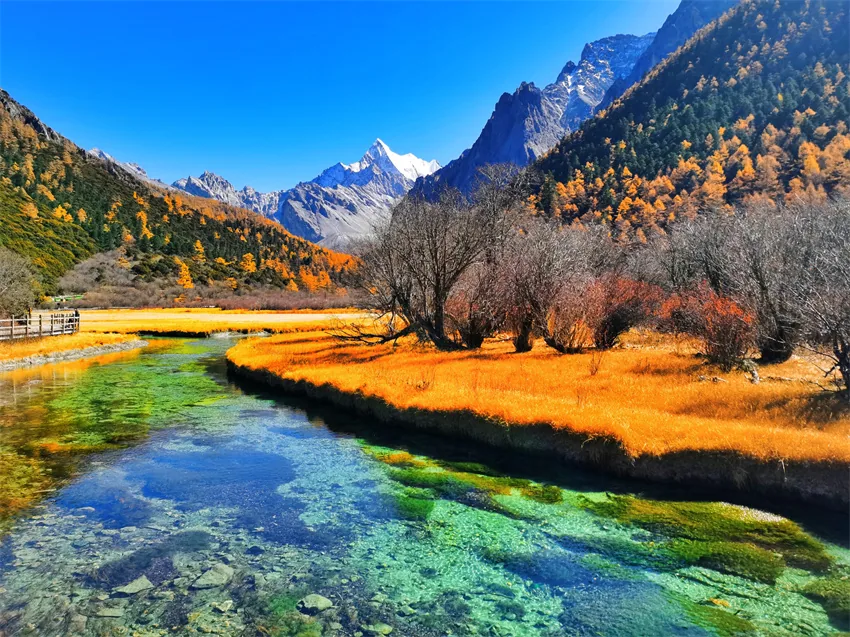
Day 4 Lijiang to Shangri-La: Crossing Haba Snow Mountain + Praying at Songzanlin Monastery
I woke up at 5:30 AM in the dark and stuffed my down jacket into the inner layer of my backpack—I’d checked the Haba Snow Mountain guides three times last night; the pass elevation is 3,390 meters, exactly 1,000 meters higher than Lijiang, so I needed to prepare altitude sickness medicine. I got up at 6:30 AM, cooked a bowl of noodles, ate a few bites with pickles, stuffed Rhodiola (bought at the pharmacy, 15 yuan/box) into my pocket, and checked the car again: tire pressure 2.5 bar, glass water topped up, and chocolate and a thermos in the emergency kit.
At 7:30 AM, I set off from the North Gate of Lijiang Ancient City, taking National Highway 214 northwest. Just out of town was smooth asphalt. Passing Lashihai, I saw two black-necked cranes in the reed marshes, their long necks stretched out as they flapped their wings to take off, wingtips skimming the water and creating fine ripples. After passing Yulong County, the mountain road began to spiral. The vegetation changed from pine forests to alpine meadows. Occasionally, I saw locals in Tibetan dress leading yaks by the roadside, copper bells hanging from the yaks’ necks ringing clearly.
At 11:30 AM, I reached Hutiaoxia (Tiger Leaping Gorge) Town. I didn’t enter the scenic area (tight on time) but had a bowl of Yak Beef Rice Noodles at “Tibetan Family Small Bistro”—15 yuan. The noodles were handmade and very chewy; the broth had simmered for four hours, the fragrance of yak bone mixing with the sweetness of radish. I took two big gulps, and the chill in my stomach dissipated.
At 12:30 PM, I continued driving upwards. The mountain road got steeper, and the altitude jumped 100 meters with every turn. After passing the “Welcome to Haba Snow Mountain” stone tablet, I kept an eye on the altimeter on the dashboard—3,200 meters. My chest felt tight, and my breathing grew shallow. I quickly pulled over at a roadside observation deck. I stood for a moment leaning against the car after getting out. The wind hit me with the earthy scent of the meadows. I took a Rhodiola tablet and walked slowly to the prayer flag pile: Five colors of prayer flags were wrapped around wire—blue for sky, white for clouds, red for fire, green for water, and yellow for earth. The wind made them flap like chanting. A Tibetan uncle leading a yak nearby struck up a conversation: “First time here, girl? Walk slowly, don’t run, let yourself adapt.” His yak had grass bits stuck to it, and its bell shook slowly. I reached out to touch the prayer flags; the fabric was rough to the touch but held the warmth of the sun.
At 3:30 PM, I finally arrived in Shangri-La city. I went to Songzanlin Monastery first. I navigated straight to the “Songzanlin Monastery Visitor Center.” Tickets were 55 yuan (bought in advance on Meituan, saving 10 yuan), and the electronic guide rental at the gate was 30 yuan—I picked the one with Tibetan pronunciation; it’s more detailed than the tour guides. For example, the Zhacang Hall is the main hall, with Qing Dynasty murals depicting King Gesar’s demon-slaying; the golden roof of Jikang Hall used 300 jin of gilded copper, shining so brightly in the sun you could see your reflection.
Entering the monastery gate, the first feeling was quiet—no clamor, only the sound of wind through prayer flags and the low chanting of lamas. I followed some Tibetan aunties towards Zhacang Hall. Their Tibetan clothes were deep purple with embroidered patterns on the cuffs, holding prayer beads, turning a prayer wheel with every step. The prayer wheels were made of copper and thicker than my arm; you had to grip them tight to push. I squeezed in and followed the aunties for three loops, chanting “Tashi Delek” along with them. On the first loop, the copper surface was so hot it stung my palm. On the second loop, my palm sweated, and I held it more steadily. On the third loop, the aunties smiled and said in broken Mandarin, “Good, good.” One auntie gave me an orange-flavored candy in a crinkled glassine wrapper.
Must-See Details at Songzanlin Monastery
- Butter Lamp Room: Beside the main hall is a room with thousands of butter lamps. The flickering candlelight illuminates the golden Thangkas on the walls—the guide says these lamps are donated by believers, each representing a wish.
- Debating Courtyard: At 4 PM, lamas debate scriptures. Clad in red robes, they sit in a circle, clapping their hands while arguing over texts with passion. I stood outside the wall watching for 10 minutes until Zhuoma called to urge me to the guesthouse.
At 5 PM, I left the monastery and took a taxi to Dukezong Ancient City. The driver was a local lad who said, “Stay at ‘Songzan Linka’; the owner Zhuoma is nice, and the rooms have electric blankets.” At 6 PM, I reached the guesthouse. Auntie Zhuoma, in a peach-colored Tibetan dress, was waiting at the door with a cup of sweet tea: “Have a hot drink first, was the road cold?” The sweet tea was brewed with brick tea, milk, and sugar—sweet with a faint buttery scent. One sip warmed me from my throat to my toes.
The room was on the second floor. Opening the window, I could see the prayer wheel in Guishan Park—the world’s largest, needing five people to pull it. The room had Tibetan carpets and the bed was layered with quilts embroidered with auspicious patterns. The electric blanket was on and felt warm. Zhuoma put my bags in the wardrobe and pointed to apples on the table: “Freshly picked from the field, very sweet.” I took a bite; it was crisp with the taste of sunshine.
At 8 PM, lying in bed, I heard Zhuoma singing a Tibetan song outside—lightly, like wind through prayer flags. The warmth of the electric blanket enveloped me. The moon outside was very round, shining on the Guishan Park prayer wheel, reflecting a faint light. In that moment, I understood travel’s meaning isn’t about how many photos you take, it’s the scent of grass in the wind, the auntie’s candy, Zhuoma’s sweet tea, and the “Tashi Delek” while turning the prayer wheel—these small warmth bits are more memorable than any guide.
Pitfall Avoidance & Recommendations
- Be sure to take Rhodiola before crossing Haba Snow Mountain, don’t find it troublesome—my friend didn’t and threw up twice at the pass.
- Don’t wear shorts or short skirts at Songzanlin Monastery; there are rules, and you must respect local customs. The electronic guide is more flexible for viewing murals.
- Choose a guesthouse in Dukezong with electric blankets! The temperature drops below 10 degrees at night; air conditioning is drying, but electric blankets are steady warmth.
- Zhuoma’s sweet tea is 10 yuan a cup, half the price of tourist spots and tastes more authentic—you can chat with her; she’ll tell you many local stories.
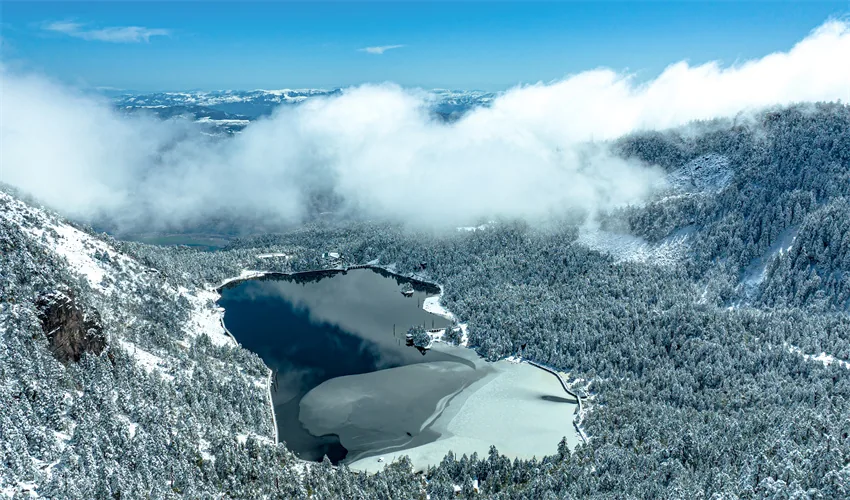
Day 5 Shangri-La Depth: Potatso Meadow + Dukezong Ancient City Prayer Wheels
At 8:00 AM, I dragged myself up with a groggy head—Zhuoma’s sweet tea last night was so good I had an extra half cup and didn’t sleep until 3 AM. The thermos by the bed was still warm; a sip of sweet milk flavor wrapped in tea aroma rushed down my throat. I put on the Tibetan fleece jacket Zhuoma gave me (thick and windproof) and packed my small bag: lip balm (high altitude makes lips crack easily), chocolate (to replenish energy), and the fruit candy the auntie gave me yesterday.
At 8:30 AM sharp, I stood at the Potatso entrance. Under the gilded Tibetan sign for “Potatso National Park,” a master in a navy uniform handed me the ticket with a smile: “The boardwalk was just cleaned, the meadow has heavy dew, wear non-slip shoes.” I took the shuttle towards Shudu Lake. The clouds outside the window were so low they seemed reachable, skimming past the snow on the peaks and casting fine shadows on the meadows.
3.3 Kilometers of Shudu Lake Boardwalk: Morning Closeness with Nature
The boardwalk was solid wood coated in wax oil, creaking slightly underfoot as if talking to the forest. The meadows on both sides were knee-high with glossy deep-green short grass dappled with dew. With every step, the tips of my shoes caught pale green grass bits. After five minutes, a small gray squirrel darted out from the bushes—its tail as fluffy as a pom-pom, it crouched by the boardwalk staring at the oatmeal cookie in my hand, its round eyes unblinking. I broke off a fingernail-sized piece and tossed it over. It sniffed it and scurried into the grass. A Tibetan auntie nearby carrying a shepherd’s crook laughed: “This little guy is smart; he comes here every day to beg for food.”
Further along was Shudu Lake. The water was like a crumbled blue sky, clear enough to see the stones underneath. A few yaks were scattered by the lake, their dark brown fur dotted with grass bits as they chewed on water plants. I crouched down for a close-up. Just as I raised my phone, the yak suddenly flicked its tail—splashing mud on my shoe! I jumped back, but the auntie burst out laughing: “He’s just saying hello. Yesterday he rubbed against a tourist’s jeans.” I wiped the mud off and moved closer—its eyelashes were so long, like two small fans, and its nose was wet as it focused intensely on grazing, completely ignoring me, the phone-wielding “intruder.”
At 12:00 PM, I left the park and took the shuttle back to the Ancient City. On the way, we passed Napa Lake. Several black-necked cranes stood on the shallows, their slender necks stretched out. Occasionally they pecked at the water, their white feathers shining in the sun when they spread their wings. At “Arei Tibetan Home,” the Galsang flowers in the courtyard were in full bloom—red and pink, looking like scattered silk scraps. Arei, with waist-length braids and silver Dzi bead earrings, saw me and pulled me inside: “Have a cup of hot butter tea first to warm up, then I’ll teach you how to churn it.”
Arei’s Butter Tea Class: The Warmth of Handcraft
Arei’s hands were calloused, with several shallow scars on her knuckles. She placed the copper tea churn on a low stool, poured in half a barrel of brick tea, added warm water to steep for five minutes, and then strained the leaves: “You must choose this old brick tea; it’s strong and makes the best flavor.” Then she added two big spoons of crushed walnuts and a pinch of salt: “The salty flavor is the authentic Tibetan way; the sweet one is for tourists.”
She held my hands, teaching me to move the plunger up and down: “Keep your back straight, use your arm strength, go slowly—too fast makes it bitter, too slow won’t create foam.” After twenty strokes, the liquid in the barrel became thick, with a golden foam floating on top. Pouring out a cup, the color was amber. One sip—the saltiness wrapped around the tea’s bitterness, and the walnut fragrance exploded on the tongue. it was mellower than the sweet version, like drinking the entire Tibetan sun into my stomach. I had two big cups in a row. Arei patted my shoulder with a smile: “Well churned, much better than my son’s first try.”
At 2:30 PM, I walked towards Guishan Park. The stone path was steep, and the wind blew harder, threatening to take my hat. I gripped it and ran up, finally reaching the summit. The world’s largest prayer wheel stands here, its copper surface covered in scriptures, glinting with an ancient luster in the sun. Some tourists were nearby. I joined in: “Let’s turn it together! I’m strong!”
Five people stood on either side of the wheel, gripping the thick hemp ropes. Someone shouted, “One, two, three, pull!” We pulled together, and the wheel began to turn with a creaking sound, like humming an ancient song. After three loops, the wheel turned faster and faster. I heard a girl beside me shout: “Look! The ancient city!” I looked up through the gaps of the wheel—Dukezong’s red roofs looked like overlapping scales. The bluestone paths wound around, and Jade Dragon Snow Mountain showed its tip in the distance, with clouds floating like a white hat. The wind made a mess of my hair, but I didn’t care at all; I just felt full inside, like I’d packed all the wind of Tibet.
Back at the guesthouse that evening, Zhuoma brought a bowl of warm yogurt: “Walked a lot today, replenish yourself.” The yogurt was home-fermented, so thick it coated the spoon, sprinkled with a bit of sugar. It was sweet and went perfectly with the highland barley cake Zhuoma baked. I sat by the window eating slowly. The moon was round, shining on the Guishan Park prayer wheel, reflecting a faint light. I touched the fruit candy in my pocket, remembered the squirrel this morning, Arei’s butter tea, and the laughter of strangers while turning the wheel—I didn’t take many photos today, but every second is etched in my mind.
Minor Detail: The “Slow” Philosophy of Tibet
- Don’t go off-path at Potatso! Signs say “Entering meadows is forbidden.” Yaks might headbutt, and it’s easy to get lost.
- The butter tea experience at Arei’s costs 30 yuan, including materials and explanation. Book 1 hour ahead to avoid waiting—I just made the last group today.
- Fewer people at the Guishan Park prayer wheel after 3 PM! I arrived at 2:30 PM and just had enough for 5 people without a long wait.
- Always turn the prayer wheel clockwise! Tibetans say counter-clockwise is an “offense to the spirits.” I followed the crowd, silently chanting “Tashi Delek.”
Daily Expense Summary
- Potatso shuttle + boardwalk: Free (included in Ancient City ticket package)
- Arei’s butter tea experience: 30 yuan
- Highland barley cake + yogurt: 15 yuan
- Total: 45 yuan (15 yuan cheaper than the guide, mainly because the reservation saved queue time)
Day 6 Shangri-La to Deqin: Chasing the Meili Snow Mountain’s Golden Sunrise
I woke up at 5:30 AM and stuffed my down jacket into the innermost part of my backpack—I checked the Meili weather forecast three times yesterday; there’s thin cloud in the early morning, but what if I can catch a glimpse of the sunrise? At 6:30 AM, I cooked a bowl of highland barley porridge, ate it with pickled radish, stuffed glucose oral solution (bought at the pharmacy, 10 yuan/vial, supposed to help with altitude sickness) into my pocket, and checked the camera battery—deliberately fully charged last night, not wanting to miss a single second.
Altitude Gain on the Road: From Shangri-La to Baima Snow Mountain
At 7:30 AM, I left the Ancient City, the asphalt of National Highway 214 carrying me northwest. Passing Benzilan, Tibetan earth houses by the road were hung with strings of prayer flags, red, blue, yellow, and green fluttering like small banners. I rolled down the window for a photo—the wind made the flags snap loudly, and even the Galsang flowers by the road swayed violently. After Benzilan, the road began to “twist like dough.” The altitude climbed from 3,400 meters to 4,000 meters. My chest grew tight, like a wet towel was pressed against it. I quickly took a vial of glucose; the sweet liquid went down my throat, and I slowly recovered.
At 11:30 AM, I finally reached the Baima Snow Mountain pass. When the altimeter hit 4,292 meters, I couldn’t help but say “Wow”—the wind was so strong it was hard to stand. I tightened my down jacket collar; my gloved hands were shaking with cold, but I still leaned over the railing to take photos. The prayer flags at the pass formed a small hill, the five colors wrapped so tightly not a gap remained. The wind made them sound like millions of hands shouting “Tashi Delek.” The needlegrass on the meadows had turned yellow, with a few purple Malan flowers blooming. I crouched down for a close-up, and a yak drifted over, its breath turning into white steam, nearly brushing my shoulder—a Tibetan uncle leading the yak laughed: “Don’t be afraid, he’s better behaved than your cat.”
Feilai Temple Viewing Room: Framing the Snow Mountain in the Window
At 2:30 PM, I reached Feilai Temple. The guesthouse owner was waiting at the door with a sign: “Viewing room on the 2nd floor, facing the Thirteen Peaks!” The moment I pushed the door open, I almost screamed—the entire floor-to-ceiling window faced the Meili peaks! Kawagarbo (Meili’s main peak) was still hidden behind clouds, showing only its gray-blue tip, but the neighboring Jiangjun Peak was perfectly clear, with streaks of snow hanging on the line. The room had underfloor heating. I tossed my jacket on the bed, wrapped myself in a blanket, and sat by the window staring at the mountain. The owner brought hot milk tea: “Have a bite first, wait for the sunset tonight.” The milk tea was simmered with brick tea and milk, sweet but not greasy, warming my throat.
Waiting for a Possible Sunrise: The Pink Snow Mountain Tip at Dawn
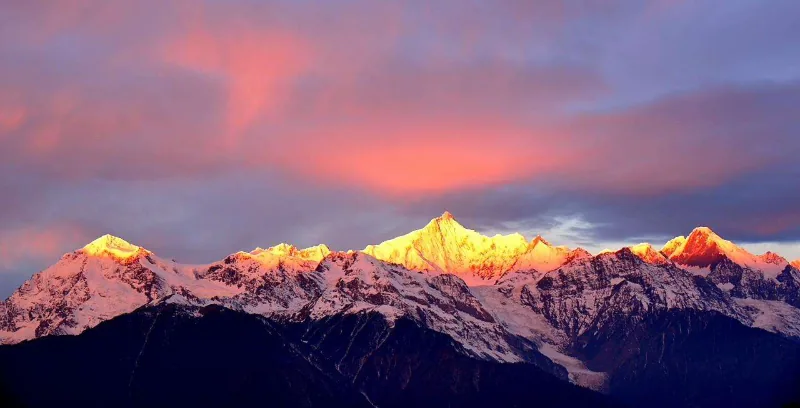
At 6:00 PM, I moved a rattan chair to the window. The sun, like a red-hot coal, slowly sank behind the snow mountain, dyeing Kawagarbo’s tip orange-red—like putting a golden hat on the mountain! The wind messed up my hair, but I didn’t want to blink: the color changed from orange-red to pink, then light purple, finally disappearing into the clouds. A hiker at the next table was snapping away with a DSLR. I leaned over to look: “This one is amazing!” He pushed up his glasses: “I’ve waited three days for light this good.”
At 5:30 AM, my roommate poked me: “Wake up! There’s light in the east!” I rushed out wrapped in a quilt—the freezing air instantly hit my collar, and frost formed on my eyelashes. The viewing deck was already crowded with over twenty people, all in down jackets, cameras aimed east. At 6:00 AM, the clouds suddenly lit up—first pink light seeped out, then orange, then gold, like someone was pouring paint in the sky. But Kawagarbo was still behind the clouds, showing just a tiny tip, playing hide-and-seek with us. A hiker in a shell jacket handed over hot cocoa: “I saw the full golden mountain the day before yesterday; this pink streak is a consolation for you.” I held the cup, looking at the mountain’s pink tip, and felt that not seeing the full view was okay—this streak of pink on the snow mountain tip is enough to brag about for half a year.
Small Surprise at Feilai Temple: Handmade Dzi Bead Keychain
At 10:00 AM, I went down to the small shops by the temple. Shelves were filled with Dzi beads, Tibetan incense, and yak horn pendants. The owner was an old lady in Tibetan dress, her silver bracelets jingling. She smiled at me: “Girl, want a Dzi bead keychain? My grandson carved it by hand, 20 yuan each.” I picked a blue one, with “Om Mani Padme Hum” carved in wobbly characters. It felt a bit rough but carried a faint scent of sandalwood. The old lady pressed the keychain into my hand: “He studied for three years to learn to carve characters. Take it; it’s like carrying our family’s blessing.” I paid and hung the keychain on my backpack strap; it was heavy, like I was carrying a piece of Tibet’s warmth.
At 2:00 PM, back at the guesthouse, I sat by the window organizing photos. Hundreds were saved: the moment prayer flags flew, the blurry photo of the yak brushing my shoulder, the orange-red mountain tip at sunset, and that dawn pink that made my heart race. Jade Dragon Snow Mountain showed a small tip outside, clouds floating like cotton candy. I touched the glucose vial in my pocket, remembered the wind on the road, the prayer flags at the pass, the milk tea on the deck, and the old lady’s smile when I bought the keychain—I didn’t catch the full golden sunrise today, but every step was in the warmth of Tibet.
Minor Detail: “Survival Guide” for Chasing Snow Mountains
- The wind at Baima Snow Mountain pass is strong enough to pierce a down jacket! Be sure to wear gloves and a scarf, or your hands will be too cold to hold a phone.
- Book Feilai Temple viewing rooms a week in advance! I asked the owner to save a room last week; otherwise, you’d only see the mountains through others’ photos.
- Wear your thickest clothes for the dawn sunrise! I wore two down jackets and a shell jacket and my nose still turned red from the cold.
- Don’t be stingy about the Dzi bead keychains! The old lady’s grandson made them by hand; 20 yuan is a fair price, they sell for 50 up in tourist spots.
Day 7 Deqin to Mangkang: Yanjing Ancient Salt Fields + Entering the First Tibetan Village
At 7:50 AM, I stuffed the highland barley cake I bought yesterday into my backpack—the owner said, “Eat it if you’re hungry on the road; it’s better than cookies.” I checked the car: tires weren’t low, oxygen canisters in the emergency kit were still there, and I poured a cup of hot butter tea into my thermos. At 8:00 AM, the car drove northwest along National Highway 214. The snow mountains slowly receded into the background, replaced by continuous brown ridges, with a few strands of prayer flags floating in the hollows.
Yanjing’s “Colored Salt Fields”: A Palette Dried from Brine
At 10:00 AM, passing Yanjing Township, the navigation prompted “500 meters ahead to Shangyanjing Church.” I turned in—crosses stood atop Tibetan-style mud and wood buildings. The walls were painted with Tibetan Buddhist Thangkas and images of Jesus. Highland barley was drying in the courtyard, and a few Tibetans sat on the threshold chatting. A priest in crimson robes came out and said “Tashi Delek” in Tibetan. I followed him through the church. The windows were stained glass, and the sun shone through onto the statue of the Virgin Mary like a sugar coating.
From the church, I walked two kilometers down to the Xiayanjing Ancient Salt Fields. Hundreds of salt ponds spread along the hillside like a palette knocked over by God: some ponds had deep red brine, some pale yellow, and some snowy white. An owner crouched by a pond stirring the brine, his wooden stick creating ripples: “Red means more iron ions, yellow is sulfides, white is pure salt. It can be gathered after three days of drying.” I touched the pond edge; the brine was salty and astringent, leaving a white residue on my fingers. An auntie selling salt held up a crystal: “Girl, buy a bag to cook with; it’s ten times more fragrant than supermarket salt!” I wrapped half a jin in newspaper. The auntie gave me a fruit candy: “Free, as a gift to you.”
Crossing Jinsha River Bridge: The First Second of Officially Entering Tibet
At 2:00 PM, the car drove onto the Jinsha River Bridge. A boundary marker in the middle of the bridge was carved with “Sichuan-Tibet Border.” I stopped and touched the stone—a bit rough but holding the warmth of the sun. At a nearby souvenir stall, the boss shouted while holding a medal: “Keep a souvenir? 10 yuan, carved with ‘First Bridge into Tibet’.” I bought one and pinned it to my backpack strap. The road sign on the other side said “Mangkang, Tibet.” The wind suddenly carried a stronger scent of butter. A few Tibetans waved with smiles: “Tashi Delek, welcome to Tibet!”
After the bridge was Rumei Town. Children at the village entrance with red hair ties, wearing Tibetan school uniforms, ran over holding prayer wheels: “Sister, photo! Photo!” I took out my phone, and they posed: the boy stood straight holding his prayer wheel; the girl tilted her head and smiled, the highland red on her face like two sun-baked little apples. After the photo, they chased my car for over ten meters, shouting: “Come again next time! I’ll sing you a Tibetan song!”
The Night in Mangkang: Diffused Oxygen Supply and the Warmth of Highland Barley Cake
At 6:00 PM, I arrived in Mangkang county. The hotel I booked had a diffused oxygen supply system. Opening the door, a faint scent of oxygen mixed with Tibetan incense floated out. I fell onto the bed, and my chest finally didn’t feel tight—the shortness of breath from climbing the passes in Deqin mostly vanished. The owner knocked to bring ginger tea: “Just brewed, to ward off the cold.” The tea was spicy and made me feel warm all over.
I had dinner at a Tibetan restaurant downstairs. The owner, a middle-aged man in Tibetan dress with a beeswax bracelet, brought highland barley cake and butter tea: “Eat it while hot; it’s fragrant with butter tea.” I took a bite—a bit coarse but with the sweet aroma of barley, like chewing sun-dried grain. The butter tea slid down my throat, warming my stomach. The owner sat opposite and said in broken Mandarin: “Where are you from? Mangkang’s moon is rounder than in the mainland; you can go to Hongla Mountain to see monkeys tomorrow.” I nodded, touching the medal in my pocket, looking at the moon—brighter than in Deqin, like a piece of milk candy dipped in tea.
Day 8 Mangkang Adaptation: Monkey Watching at Hongla Mountain + Tibetan Family Visit
At 8:00 AM, I was chewing on highland barley bread I bought yesterday at the Mangkang market—the crust was so crispy it crumbled, and the inside was filled with sweet barley paste. I checked the plain peanuts in my bag (the warden specifically said “nothing flavored, monkeys are picky”). The car drove along G214 towards Hongla Mountain. The prayer flags by the road grew denser, red, blue, yellow, and green wrapped around utility poles. The wind blew, looking like a shattered rainbow fluttering up. Uncle Tashi (the medal stall owner from yesterday) messaged: “The monkeys at Hongla Mountain are up early today, most active at 9:00 AM, don’t be late.”
The Monkeys of Hongla Mountain: “Little Rascals” Smarter Than Humans
At 9:00 AM sharp, I arrived at the protection station. Uncle Tashi, in a faded Tibetan coat, held a chipped loudspeaker: “Follow me, the monkeys are waiting at the ‘Monkey Viewing Platform’!” The platform was wooden, railings wrapped in prayer flags. I crouched at the edge and heard the branches above rustle—a small dark-brown monkey darted down, tail coiled around a branch, eyes darting to the peanuts in the tourists’ hands.
“Don’t feed them too much!” Uncle Tashi shouted. “A monkey ate three handfuls yesterday and was rolling over with bloating all night.” Just as he spoke, the little monkey lunged, grabbed a tourist’s peanut, and scrambled up the tree. After two steps, it looked back and “chirped” at us, as if showing off its loot. An old monkey sat on a branch, its fur turning white, arms folded “supervising” the younger ones. Uncle Tashi said: “That’s the king, managing over twenty monkeys, more mischievous than my grandson.”
I watched for half an hour as they leaped through the trees—some hanging upside down chewing peanuts, some grooming each other, some crouching on branches staring at me with bright eyes like Tibetan stars. Uncle Tashi handed me an orange candy: “If your photos look good, could you leave me a print? My kid is in the city and wants to see the monkeys back home.” I nodded quickly. I knew that more precious than the photo was the warmth of the little monkey brushing the back of my hand—after grabbing a peanut, it sniffed my hand, its soft fur making me itch.
Uncle Tshering’s Sunroom: A Half-Life of Stories in Butter Tea
At 2:00 PM, Uncle Tashi took us to Uncle Tshering’s home. On the way, he said: “Tshering is our village’s ‘living history,’ herded yaks for forty years. Now he runs a Tibetan homestay, and the man is more solid than butter tea.” The car turned onto a dirt road lined with meadows blooming with purple primroses. Uncle Tashi said: “These are highland primroses, blooming a month earlier than in the mainland; the bees love them.”
Uncle Tshering’s home was at the foot of the mountain. The sunroom was built of pine, the floor covered in Tibetan wool carpets, windows facing the distant snow mountains. The wind blew prayer flags into the room. The uncle wore a navy jacket, his face full of smile lines, holding a copper butter churn: “Come, have a bowl of butter tea first, I just churned it!”
The butter tea was poured into a coarse ceramic bowl, foam floating on top. One sip—salty fragrance wrapped in the bitterness of brick tea, better than what I had yesterday in Feilai Temple. Uncle Tshering sat opposite me and started kneading Tsampa: “Tsampa must go with sweet tea, otherwise it’s too bitter.” He poured roasted barley flour into a wooden bowl, added some butter and sugar, and kneaded it into small balls: “When I was young, herding yaks took three days and nights. If we hit a blizzard in the snow mountains, we’d sleep hugging the yaks. Back then, I’d wonder when I could have a hot butter tea?”
I popped a piece of Tsampa into my mouth; it was a bit coarse but had the toasted aroma of barley, like eating sun-dried roasted rice. The uncle touched the copper handle of the churn, his fingers all calloused: “Herded yaks for forty years. Now I don’t have to run anymore. Welcoming tourists and telling old stories is easier than herding yaks.” The lines at his eyes deepened: “Regrets? What regrets? Seeing you like our culture is better than anything.”
When I left, Uncle Tshering stuffed a bag of freshly kneaded Tsampa into my hand: “Take it with you, it’s fresh, don’t let it get damp.” I held the bag, watching him wave from the sunroom door, the distant snow mountains dyed orange-red by the sunset, the scent of butter in the wind. Uncle Tashi said while driving: “Uncle Tshering said yesterday that next time you come, he’ll tell you stories of him and the yaks.” I touched the bag of Tsampa, remembered the monkeys’ bright eyes, the salty butter tea, and the uncle’s smile lines—I didn’t walk much today, but I “entered” Tibet more than ever: not seeing scenery, but being with the people here, eating the same food, hearing the same stories, and breathing the same wind.
Minor Detail: “The Correct Way” for a Tibetan Family Visit
- Be sure to feed the monkeys plain peanuts! Flavored ones make them picky, and the warden will “educate” you.
- Drink Uncle Tshering’s butter tea “slowly”! The first sip is a bit bitter, the second reveals the tea aroma, and the third warms the stomach.
- Don’t be shy during a family visit! Uncle Tshering loves it when people ask about his past; he’ll get happier as he talks, like opening an old Tibetan book.
Daily Expense Summary
- Highland barley bread + peanuts: 15 yuan
- Uncle Tshering’s butter tea + Tsampa: 20 yuan (he wouldn’t take the money; I forced it)
- Uncle Tashi’s fruit candy: 5 yuan
- Total: 40 yuan (10 yuan cheaper than the guide, mainly because the uncles’ hospitality was free)
Day 9 Return Summary: Packing Up + Heading to Zuogong along G214
At 7:00 AM, the sunlight carrying the scent of Tibetan incense crawled through the window—I folded the Tibetan jacket I’d worn into a square. The half bag of Tsampa Uncle Tshering gave me yesterday was still warm; I gave it a squeeze and stuffed it into the top of my suitcase. I then pulled out the red-wrapped Dzi bead keychain and hung it on my backpack strap—it was carved by the grandson of the old lady at Feilai Temple, the “Om Mani Padme Hum” in blue, wobbly characters, which had accompanied me for four days.
I went down to start the car. Just 200 meters out, the steering wheel suddenly shook. I pulled over and lifted the tire cover—a bright nail was stuck in the front right tire, like a little thorn someone had planted on purpose. Auntie across at the repair shop, sitting at the door knitting, looked up and shouted: “Punctured, little girl? Come, I’ll call Master Tashi!” Master Tashi, in greasy navy overalls, crouched on the ground prying the nail with an awl, while chatting: “The roads in Mangkang have many crushed stones. Last week an SUV got three punctures—you’re lucky.” He sealed the hole with repair glue and checked the tire while inflating: “It’ll do for now; change it when you get to Zuogong.” He took 20 yuan, half the price of the mainland. I gave him a fruit candy, and he popped it into his mouth with a smile: “Next time you come, the repair is on me.”
The Last Tibetan Meal: Farewell in Yak Beef Soup
At 12:00 PM, I went to “Old Silversmith Tibetan Dining” on the old town street—the owner was the son of the old lady who sold Dzi beads. Seeing me, he shouted: “Knew you were leaving, saved some freshly simmered yak beef soup!” The highland barley cake served was so crispy it crumbled. The yak beef soup was steaming, with two slices of carrot inside. One sip—the broth was thick enough to stick to the spoon, and the beef was stewed tender with a hint of butter fragrance. I added a plate of cold yak tripe, crisp and fresh, paired with highland barley wine (the owner said “drink a little to ward off the cold”), until the tip of my nose turned red. The owner sat opposite and pulled out a cigarette: “Next time you come, I’ll take you to the back mountain to see our yaks; they’re sturdier than the ones in the zoo.” I nodded, finished the last sip of soup, and packed a piece of barley cake: “To eat on the road.”
Returning along G214: A Bow at Nujiang Grand Bridge
At 1:00 PM, the car followed G214 towards Zuogong. The mountains by the road grew steeper, and occasionally the Nujiang tributaries were visible, the water a turbid earthy yellow like a crack in the earth. At 12:30 PM, I passed the Nujiang Grand Bridge. The white marble monument by the bridge was carved with “Immortal Martyrs of the Sichuan-Tibet Line,” with several bunches of wild chrysanthemums at the base, dust on the petals. I stopped, walked to the monument, and bowed with hands joined—the wind carried the fishy scent of the river water. I remembered the guide saying many martyrs who built the bridge didn’t even leave names, only this monument, guarding the traffic of the Sichuan-Tibet line. A truck driver nearby rolled down his window and handed over a cigarette: “Girl, the Sichuan-Tibet line isn’t easy; take it slow.” I took it, didn’t light it, and tucked it behind my ear.
Past the bridge, the road slowly leveled out. Along the way, I passed small villages. Children sat by the road playing with stones, waving and shouting “Tashi Delek” when they saw the car; I rolled down the window and waved back. The prayer flags grew denser, wrapped around branches. The wind blew, looking like a shattered rainbow entering the car window.
End of the Trip: The Evening Wind of Zuogong
At 5:00 PM sharp, the car drove into Zuogong county. A sign at the entrance said “Welcome to Zuogong.” I parked the car at the hotel and touched the Dzi bead keychain on my backpack—it had caught some of the Nujiang wind and was a bit cool but felt warm. The hotel receptionist, a girl in Tibetan dress, smiled as she took my luggage: “Hard work on the road. Want to book a car to Lhasa for tomorrow? I can ask for you.” I shook my head: “Flying out tomorrow, just going to rest for a bit.”
Lying in the hotel bed that night, I heard the wind outside rattling the prayer flags. Calculating the total: fuel was 1,980 yuan (SUV), tolls 520 yuan, accommodation + food + tickets totaled 3,500 yuan—200 yuan less than the guide, mainly because Master Tashi didn’t overcharge for the repair and the family visit didn’t cost a fortune. Altitude sickness really isn’t that scary; take Rhodiola in advance, walk slowly every day, and I never used the oxygen bottle. Always ask before taking photos in Tibet; Uncle Tshering nodded with a smile when he saw me raise my camera and said “Take them,” which was much more reassuring than sneaking a shot.
Tips:
- The road from Mangkang to Zuogong has many crushed stones; be sure to check tires beforehand. Find local masters for repairs; it’s cheap and reliable.
- Be sure to stop at the Nujiang Grand Bridge monument; it’s not being sentimental, it’s respect for the martyrs.
- Don’t rush through the night on the return trip; some sections of G214 have no streetlights. Safety first.
I touched the bag of Tsampa by my pillow—Uncle Tshering gave it to me, saying “it’s fresh, take it home.” The moonlight shone in, the Tibetan label on the bag glinting. In these 9 days of travel, I didn’t take many “masterpieces,” but I rubbed the warmth of Tibet into my incense, my Tsampa, and my Dzi beads. Next time I come, I’ll go for the full golden sunrise of Meili Snow Mountain, spend more time drinking butter tea with Uncle Tshering, and say hello again to the monkeys of Hongla Mountain.“`
Related Reading
- Yunnan Travel Anti-Scam Guide: 3 Places to Avoid! 3 Must-Eat Food List, with Route Pitfall Tips
- Yunnan High Altitude Sickness Prevention Guide: Shangri-La / Yubeng / Jade Dragon Snow Mountain, Route Planning + Medicine Preparation + Precautions
- Yunnan Photo Outfit Guide: Dali Bai Style × Lugu Lake Forest Aesthetic × Yubeng Hiking Gear, What to Wear for Different Scenes
- Yunnan Homestay Selection Guide: High-Value Accommodation Recommendations for Dali Erhai Lakefront, Lijiang Old Town, and Lugu Lake View Rooms
- Yunnan 8-Day In-Depth Tour: Kunming-Dali-Lijiang-Shangri-La-Yubeng-Lugu Lake-Xishuangbanna, Full-Province Coverage
Shangri-La — — Practical Data
Tickets & Booking
- Pudacuo National Park: Ticket CNY 138 per person (including the scenic-area round-trip sightseeing coach); plus the scenic-area round-trip direct shuttle CNY 168; plus Shudu Lake boating about CNY 203; Shudu Lake boat ticket separately CNY 65[src]
- Ganden Sumtseling Monastery (Sumtseling scenic area): From about CNY 55 (OTA); ticket + round-trip sightseeing bus + guide child ticket about CNY 62; quotes across platforms CNY 55–115[src]
- Napahai (Yila Grassland): Free around the lake/grassland (some paid points); Customs Park + Shangbala Ranch CNY 18; horse-riding route packages about CNY 68–260; no booking required[src]
Where to Stay · Room Type · Nearby
- Inside Dukezong Ancient Town | Room tip: Convenient for getting around, but vehicles cannot enter, so confirm with the guesthouse whether they carry luggage | Nearby add-ons: Great Buddha Temple, prayer wheel, Guishan Park, Moonlight Square[src]
- Along Napahai | Room tip: Good views and quiet, but far from the city | Nearby add-ons: Napahai Yila Grassland, Shika Snow Mountain[src]
Typical Climate & Packing (Past Years)
- January: -7 °C–9 °C °C, [Travel climate reference]
- February: -5 °C–11 °C °C
- March: -2 °C–14 °C °C
- April: 2 °C–17 °C °C
- May: 5 °C–19 °C °C, The meadow turns green again
- June: 8 °C–20 °C °C






