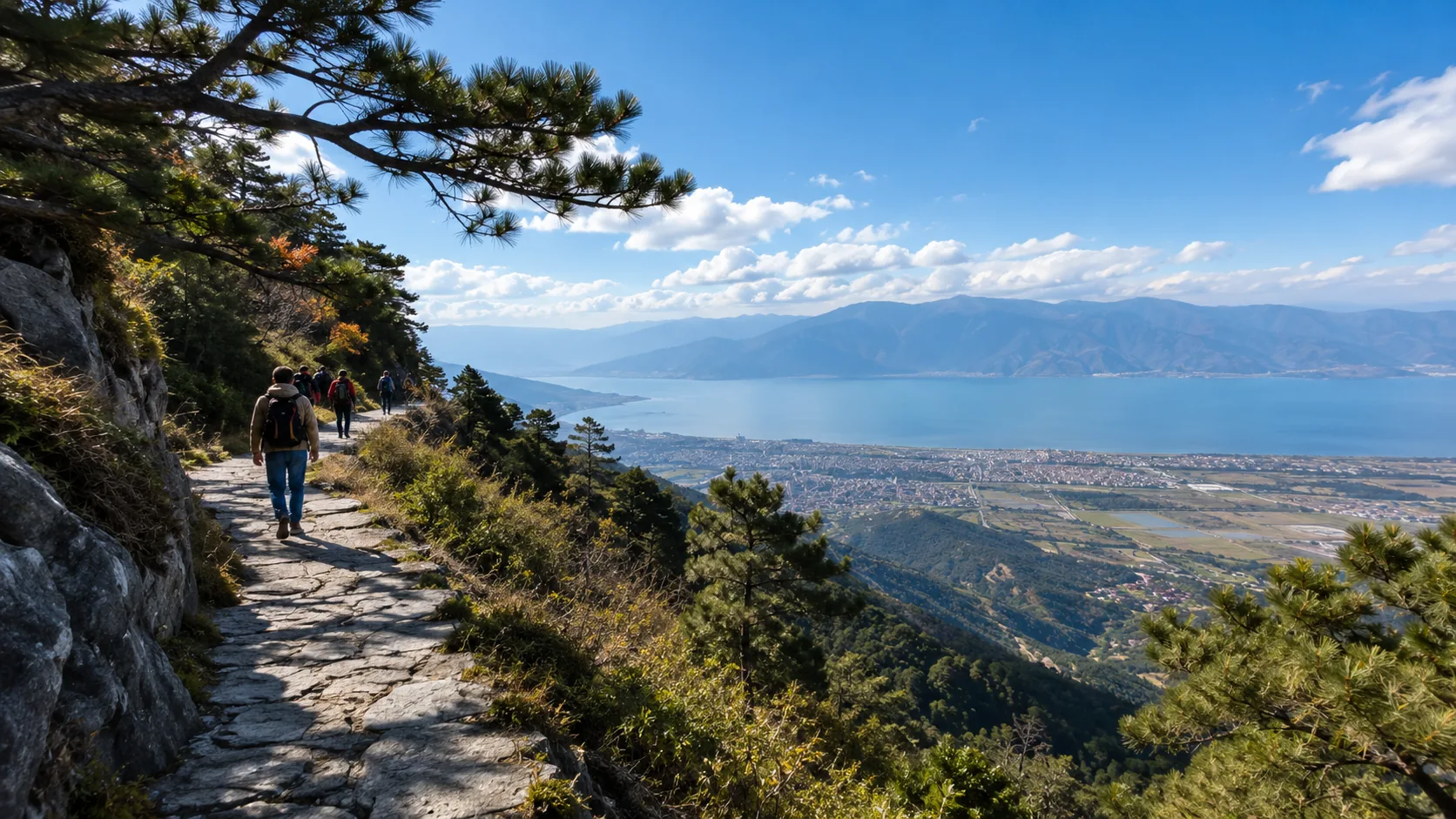



Day 1: Kunming Itinerary – Arrive in Kunming, Visit Stone Forest and Dianchi Lake
My flight landed at Kunming Changshui Airport at nine in the morning. After collecting my luggage, I went straight to the baggage storage on the arrival floor. Storing a large suitcase until 8 PM costs 20 yuan, which makes traveling light to the scenic areas much more convenient.
Details on Transportation:
Airport to Stone Forest: Following the signs, I easily found the subway station from the airport. I first took Subway Line 6 (Airport Center Station) to East Bus Station. Without exiting, I followed the signs inside the station to transfer to Line 3 (towards East Bus Station) and got off after one stop at East Passenger Station. Exiting from Subway Exit C, the Scenic Express Bus Ticket Office is on the right-hand side. I bought the earliest bus package to the Stone Forest, which included the round-trip bus ticket and the Stone Forest entrance ticket for 198 yuan. If you only buy the bus ticket, it’s 35 yuan. The large bus takes the expressway, and if there’s no traffic, it takes 1 hour and 10 minutes directly to the parking lot at the Stone Forest scenic area entrance.
Stone Forest back to Dianchi Lake: Where the bus dropped me off at the Stone Forest scenic area, there are return buses to the East Passenger Station, departing on a rolling schedule. After returning to the East Passenger Station, I hailed an online ride-hailing car to Haigeng Dam, which cost about 30 yuan and took half an hour. I could have taken the subway, but it would require a transfer to a bus, so taking a taxi was less effort.
Evening to the Train Station: From the edge of Dianchi Lake to Kunming Station, I again took a taxi, which took about 20 minutes and cost around 15 yuan.
A small tip: If you are traveling with 2-3 people, taking a taxi from the East Passenger Station to Dianchi Lake or the city center is more cost-effective and faster than public transport. However, the express bus is the optimal choice for the morning trip to the Stone Forest, as a one-way taxi ride might cost 200 yuan or more.
Stone Forest Scenic Area Visit Log:
The entrance ticket is 175 yuan, and the 25 yuan for the sightseeing bus is absolutely worth buying. It takes half an hour to walk from the gate to the core scenic area, and it’s all boring concrete road. It’s more important to save your energy for exploring inside.
After entering, I went straight into the Greater Stone Forest, where the rock formations are the densest and most imposing. Following the signs towards “Wangfeng Pavilion,” I had to climb a section of stairs, but the view from the top was breathtaking, with the gray-black stone peaks spreading out like a forest—very impressive.
At the stone formation representing the “Ashima” goddess, many women in Yi ethnic costumes were taking photos. Renting an outfit costs 10 yuan, which you can experience if interested.
I spent about 2.5 hours slowly wandering and taking photos in the Greater Stone Forest area. The Lesser Stone Forest is relatively more open and quicker to visit, 1 hour is enough.
Evening at Dianchi Lake Haigeng Dam:
I arrived around 4 PM. The light at this time was very soft and good for photos. Although there were no black-headed gulls (they are only here from November to March of the following year), the lake looked endless like the sea. Many locals were walking and cycling here, giving it a strong sense of local life.
Across the dam is West Mountain, where you can see the silhouette of the Sleeping Beauty. I walked along the dam, and the breeze felt very comfortable.
Dinner: A Bowl of Authentic Crossing-the-Bridge Rice Noodles:
I deliberately avoided eating near the scenic area and asked the driver to recommend a place, which was Xiangyun Food City in the city center. This place is more like a collection of local snacks. I chose an old brand called “Jianxinyuan.”
I ordered a 38 yuan classic Crossing-the-Bridge Rice Noodles. The ritual was full of ceremony: a large bowl of piping hot soup, into which I sequentially poured the quail egg, pork tenderloin, fish slices, vegetables, and rice noodles to cook them. The soup base was boiled chicken broth, with a layer of golden chicken oil on the surface to keep it hot, and the taste was extremely delicious. I also had a small plate of fried bee pupa, and after mustering the courage to try one, I found it very crispy.
Accommodation Choice and Experience:
I booked a room at the Jinjiang Inn directly opposite Kunming Station for 220 yuan a night. The choice was purely for efficiency; I had an early morning high-speed train the next day, and being just across the street from the entrance allowed me to sleep for an extra half hour.
The hotel was standard, clean, and tidy, but the street-facing room could hear some traffic noise from the elevated road at night. If you are sensitive to noise, you might want to request a room not facing the street.
| Item | Detailed Cost (Per Person) | Notes |
|---|---|---|
| Airport Luggage Storage | 20 yuan | One day for a large suitcase |
| Subway Ticket (Airport-East Passenger Station) | 5 yuan | |
| Stone Forest Express Bus + Ticket Package | 198 yuan | Bus ticket only is 35 yuan, entrance ticket 175 yuan is fixed |
| Stone Forest Sightseeing Bus | 25 yuan | A must-buy, saves energy |
| Taxi within Kunming | Approx. 45 yuan | Two trips |
| Dinner (Crossing-the-Bridge Rice Noodles) | 38 yuan | |
| Accommodation (Economy Hotel) | 220 yuan | Pre-booked price |
| Day 1 Total | Approx. 551 yuan | Transportation and entrance fees are the major expenses |
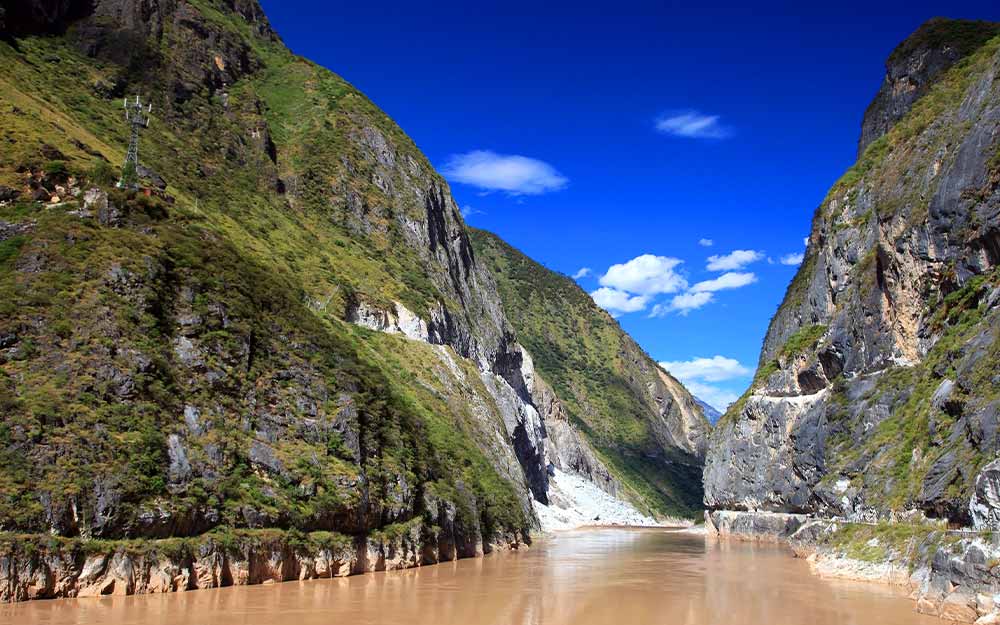
Day 2: Dali Itinerary – Travel from Kunming to Dali, Visit Dali Ancient City and Erhai Lake
I booked a high-speed train departing from Kunming Station at 8 AM, a journey of about 2 hours and 10 minutes. The security check lines at Kunming Station in the morning were a bit long, so I arrived 40 minutes early, which was just enough time. The high-speed train was comfortable, and along the way, I saw the scenery outside the window gradually change from city to fields and hills with red soil.
From Dali Station to the Ancient City:
I arrived at Dali Station around 10 AM. Following the signs outside the station, I easily found the platform for Bus No. 8. The bus is air-conditioned, the fare is 3 yuan, and I could pay by scanning a code. It travels through the Xiaguan urban area and then along the road by Erhai Lake. It takes about 50 minutes, and getting off at the Fenghua Xueyue Hotel Stop is the East Gate of Dali Ancient City.
A taxi to the ancient city would cost 40-50 yuan and take about half an hour. Since I wasn’t in a hurry, I chose the bus, allowing me to slowly soak in the local atmosphere.
Settling into Accommodation in the Ancient City:
I had pre-booked a Bai-style guesthouse behind the Foreigner Street in the ancient city, called “Xianting Inn,” for 280 yuan a night. The inn owner was very welcoming and met me at the intersection. The courtyard was small but filled with succulents and bougainvillea, making it very pleasant. The room had a wooden structure, which caused some minor soundproofing issues, but overall it was clean and comfortable.
A small discovery: The flagstone roads in the ancient city are extremely unfriendly to suitcase wheels. The owner carried my suitcase for me. If I had to drag it myself, it would be very exhausting. It is recommended to prioritize guesthouses close to the main entrance when booking.
Erhai Lake West Line Cycling Practice:
I found a rental shop in the ancient city and rented a fully charged electric scooter. The rental fee was 60 yuan, and I had to return it before 9 PM. The owner said the battery life was 80 kilometers, which was more than enough for a round trip on the West Line.
My cycling route was: starting from the Ancient City -> Cai Village Pier (about 15 minutes) -> Panxi Village S-bend (another 20 minutes) -> Haishé Ecological Park (continue for 30 minutes) -> Xizhou Ancient Town (terminus).
Core Experience: Starting from Cai Village, I entered the Erhai Lake Ecological Corridor, where motorized vehicles are prohibited, and it instantly became quiet and beautiful. The S-bend at Panxi Village is now an internet-famous spot with many people taking photos. In fact, there are many similar S-bends along the way with equally beautiful scenery and fewer crowds. Haishé Park is currently free of charge. The tip of the “tongue” (Haishé) inside offers an unparalleled 360-degree view of the water.
Food and Scenery of Xizhou Ancient Town:
I parked the electric scooter in the parking lot outside Xizhou Ancient Town (5 yuan fee) and walked in. The first thing I saw was the landmark Corner Building, followed by the famous expanse of yellow-green rice fields. The afternoon light at 4 PM shining on the rice fields was perfect for photography.
I bought a sweet Xizhou Baba with a crispy crust for 5 yuan. It tasted like baked brown sugar bread, crispy on the outside and soft on the inside. I also tried grilled Rushan (milk fan) at a roadside stall. It had a rich milky flavor and was served with rose sauce—very distinctive.
The Night of Dali Ancient City:
I returned to the ancient city around 7 PM and returned the scooter. Renmin Road and Fuxing Road were indeed crowded, with loud music from shops and bars. I avoided the main streets and turned into a quiet alley, finding a small bar called “Da Bing’s Cabin.” I ordered a beer (45 yuan) and listened to a few original folk songs—the atmosphere was great.
For dinner, I chose Wase Caixiangyuan outside the South Gate of the ancient city. I ordered Stir-fried Snails with Chili and Grandma’s Potato Mash (Laonai Yangyu), both local dishes. The portions were generous, and the spicy, savory taste was great with rice. It was about 60 yuan per person and very satisfying.
| Item | Detailed Cost (Per Person) | Notes |
|---|---|---|
| Kunming-Dali High-speed Train | 145 yuan | Second class seat |
| Dali Station-Ancient City Bus | 3 yuan | |
| Ancient City Accommodation | 280 yuan | “Xianting Inn” |
| Electric Scooter Rental | 60 yuan | One day |
| Xizhou Baba + Grilled Rushan | 15 yuan | Snacks |
| Dinner | 60 yuan | |
| Bar Consumption | 45 yuan | |
| Day 2 Total | Approx. 608 yuan | Accommodation and transportation are the main expenses |
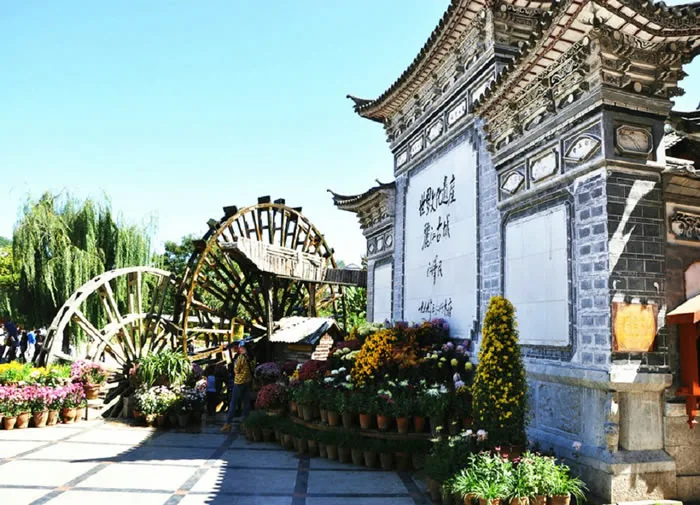
Day 3: Lijiang Itinerary – Travel from Dali to Lijiang, Visit Lijiang Ancient City
At 9 AM, I boarded the tourist express bus to Lijiang at the bus boarding point near the South Gate of Dali Ancient City. The ticket was booked through the guesthouse owner the day before and cost 80 yuan. This was slightly more expensive than going to the bus station myself, but the advantage was a direct drop-off near the ancient city, saving the hassle of transfers.
Transportation Details:
The bus was in good condition with comfortable aviation seats. The journey took exactly 2 hours and 40 minutes, with a 10-minute stop at a rest area halfway.
The bus’s destination was the Chongren Lane Intersection of Lijiang Ancient City, which is still some distance from the core area. After getting off, there were many people soliciting for accommodation. I ignored them and navigated directly to the guesthouse.
Lijiang Ancient City Accommodation and First Experience:
I booked a guesthouse on Wuyi Street Wensheng Lane in the ancient city for 320 yuan a night. The ancient city is all uneven flagstone roads, and suitcases cannot be dragged. I called ahead, and the guesthouse assistant came out with a small cart to meet me—this was very crucial.
The guesthouse was a typical Naxi courtyard with a small pool in the center and inhabited by koi fish. From the second floor, I could vaguely see a corner of Jade Dragon Snow Mountain.
An important reminder: Lijiang Ancient City Maintenance Fee is 80 yuan. Theoretically, you need to purchase it upon entry. However, there is usually no checkpoint now, and you only need to show the ticket when visiting specific attractions like Mu’s Residence and Wangu Tower. I bought mine at the entrance of Mu’s Residence.
In-depth Tour of Mu’s Residence:
After dropping off my luggage, I walked directly to Mu’s Residence (Mufu). The ticket was 60 yuan, which included a guided tour service. Following the guide allowed me to learn a lot of history, such as the main gate facing east, symbolizing “basking in the Emperor’s grace.”
Mu’s Residence was much larger than expected. Walking up along the central axis, the buildings are progressively tiered. The most stunning part was climbing to the observation deck of the Sanqing Hall, from where you can overlook the entire Mu’s Residence complex and the tiled roofs of the ancient city in the distance—it was very impressive. The entire visit, walking slowly, took almost 2 hours.
Climbing Lion Mountain for the Night View:
After leaving Mu’s Residence, around 5 PM, I started following the signs to climb Lion Mountain. The mountain is not high, but it’s all stairs. It took about 15 minutes to climb, and I was a bit winded.
Wangu Tower requires an entrance ticket (35 yuan), but I thought it was well worth it. The tower has a 360-degree viewing platform. When I went, there weren’t many people, and I quickly snagged a good spot directly facing the ancient city. I waited from sunset until the sky darkened, watching the lights in the ancient city gradually turn on, forming a warm yellow sea of light. In the distance, I could also see the modern lights of the new city, a stark contrast. This was my favorite moment in Lijiang.
Food Exploration in the City: For dinner, I went to a small restaurant near the South Gate of the ancient city and ordered a serving of Naxi Grilled Fish. It used local carp, grilled until the skin was crispy and the meat was tender, covered in local spices and chili, and very flavorful, priced at 48 yuan. For dinner, I specifically went to Huama Street outside the ancient city, where there are many restaurants. I chose a place called “A-ma Cured Ribs” and ordered a medium Local Chicken and Cured Ribs Hotpot combo for 78 yuan. The soup base was savory and delicious, especially after cooking vegetables and tofu, and it warmed me up. I bought a serving of Jidou Liangfen (Chicken Pea Jelly) from a street vendor for 5 yuan. It had a smooth texture, and the sour and spicy flavor was very appetizing.
The Ancient City Streets at Night:
The Sifang Street area was very lively after 8 PM, with deafening music from the bars. I preferred wandering through the quieter alleys like Wuyi Street and Qiyi Street, where small streams ran along the sides, and the lanterns were lit, making the atmosphere much calmer. Many small shops sold Dongba paper crafts and shawls, which were interesting to look at.
The main expenses for the day included: Dali-Lijiang bus 80 yuan, specific spending within Lijiang Ancient City such as Mu’s Residence ticket 60 yuan, Wangu Tower ticket 35 yuan. For dining, lunch was about 48 yuan, and dinner was about 83 yuan. Accommodation cost 320 yuan. The total was approximately 626 yuan, with tickets and accommodation being the major expenditures.
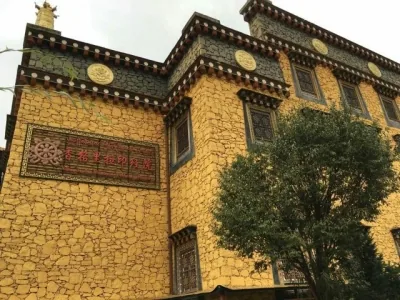
Day 4: Shangri-La Itinerary – Travel from Lijiang to Shangri-La, Visit Songzanlin Monastery and Pudacuo Park
At 8 AM, the chartered driver was punctual to pick me up at Lijiang Ancient City. We had arranged for an SUV, and the one-way fare from Lijiang to Dukezong Ancient City in Shangri-La was 600 yuan, including the waiting time at Tiger Leaping Gorge. This price was more cost-effective than finding a car on the spot, and the itinerary was more flexible.
Travel Details and Tiger Leaping Gorge Visit:
About an hour and a half after leaving Lijiang, the car entered the Tiger Leaping Gorge scenic area. The entrance ticket was 45 yuan, and the driver parked the car in the scenic area parking lot. From the parking lot to the viewing platform down by the river, it was a continuous descent of stairs, taking about 15 minutes to walk.
I visited during the high-water season, and the Jinsha River water was a muddy yellow. The sound of the rushing water hitting the giant rocks in the middle of the river was deafening, and the spray could reach the viewing platform—the scene was very spectacular. I spent about 20 minutes at the viewing platform taking photos, and then came the challenging climb back up the stairs to the parking lot. At this already increased altitude, the uphill walk was a bit breath-taking and required a slow pace.
The entire Tiger Leaping Gorge visit, including getting on and off the car, took about 1 hour and 20 minutes.
The chartered driver reminded me: the section of the road from Tiger Leaping Gorge to Shangri-La has many curves, so those prone to motion sickness should prepare in advance. I wore a motion sickness patch and felt okay.
Songzanlin Monastery Visit Details:
I arrived at Songzanlin Monastery around 1 PM. The ticket was 115 yuan, including the scenic area bus and guide fee. The bus took a few minutes from the main gate to the foot of the monastery. Looking from afar, the complex of golden roofs and red walls built into the mountain truly had the imposing presence of the Potala Palace.
Climbing the stairs was the biggest challenge. At an altitude of over 3,300 meters, I deliberately slowed down, stopping to rest for a few seconds every few dozen steps and admire the scenery. It took about ten minutes to climb to the main hall square. The light inside the hall was dim, filled with the smell of yak butter, and the murals and Buddha statues were extremely exquisite. The guide reminded us that photography and pointing fingers at Buddha statues are strictly forbidden inside the hall, as we must respect the customs. I followed the guide and listened for about 40 minutes, gaining a preliminary understanding of Tibetan Buddhism culture.
The Tranquility of Pudacuo National Park:
Leaving Songzanlin Monastery, it was a 30-minute drive to Pudacuo. The ticket was 138 yuan, including the scenic area bus. Currently, only the Shudu Lake area is open. The bus takes visitors to the start of the trek, which is about a 3.3-kilometer flat wooden boardwalk.
I started walking around 4 PM. The lakeside was very quiet, with only the sound of the wind and water. The lake water reflected the clouds and distant mountains like a mirror, truly feeling like walking inside a painting. Along the way, I saw free-roaming yaks and horses that were completely unafraid of people. I walked very slowly, and with photos and breaks, it took about an hour and a half to complete the entire walk. The temperature dropped sharply by the lake after sunset, so I put on the light down jacket I brought.
Actual Experience of Coping with Altitude Sickness:
I started drinking Rhodiola in Lijiang a few days before. In Shangri-La, I clearly felt my heart beat faster when climbing stairs. The biggest lesson was to slow down every action by half and not get excited. After checking into the guesthouse at night, I refrained from taking a shower, only using hot water to wipe myself down, to prevent catching a cold and consuming too much oxygen. I did feel some chest tightness when sleeping at night, a bit like being lightly pressed on the chest, and I felt slightly short of breath when turning over, but it wasn’t severe.
Dinner and Sightings in Dukezong Ancient City:
For dinner, I found a busy Tibetan restaurant in the ancient city. I ordered a small portion of Yak Meat Hotpot, 128 yuan. The pot base contained many pieces of yak meat on the bone, various mushrooms, and vegetables, with a rich broth flavor. Paired with a pot of sweet yak butter tea and savory yak yogurt dregs, it was particularly warming to eat. I also attempted to turn the huge prayer wheel in the ancient city. It required several people to push it together, which carried a good omen.
Today’s expenses mainly included: Lijiang-Shangri-La chartered car fee 600 yuan (consider carpooling for solo travelers, about 150-200 yuan per person), Tiger Leaping Gorge ticket 45 yuan, Songzanlin Monastery ticket 115 yuan, Pudacuo ticket 138 yuan, dinner about 150 yuan. Accommodation cost about 260 yuan. The total was approximately 1308 yuan, with the chartered car and tickets being the main expenses.
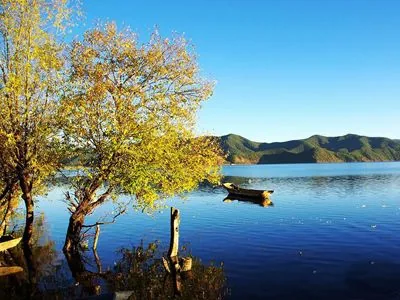
Day 5: Yubeng Itinerary – Travel from Shangri-La to Yubeng Village, Hiking Activities
The chartered driver I contacted beforehand picked me up punctually at the hotel at 6:30 AM for the journey from Shangri-La. We agreed on an 800 yuan fee for this chartered car, which would take me directly to Xidang Hot Spring, the entrance to Yubeng Village. Along the way, we passed the Jinsha River Big Bend viewing platform, where the 20 yuan ticket allowed us to overlook the naturally formed “$\Omega$”-shaped river bend. The drive took about four hours, mostly on winding mountain roads, with some sections under repair, making it bumpy.
Practical Tip: There is a luggage storage service at the Xidang Hot Spring parking lot. I recommend storing large luggage there (10 yuan per day) and only carrying necessities into the village. Supplies in the village rely entirely on vehicle transport, so prices are higher. It’s a good idea to prepare some snacks in advance.
After arriving at Xidang Hot Spring around 11 AM, I immediately purchased the off-road vehicle ticket to the village. The fare was 200 yuan to Upper Yubeng Village and 225 yuan to Lower Yubeng Village. I chose Upper Village, and the off-road vehicle journey took about 40 minutes. The road conditions were extremely bumpy, but the scenery along the way already began to showcase the magnificence of the snow mountains and forests.
| Item | Cost (Yuan) | Notes |
|---|---|---|
| Shangri-La – Xidang Charter | 800 | Can seat 4 people, carpooling is recommended |
| Jinsha River Big Bend Ticket | 20 | Viewing platform entrance fee |
| Off-road Vehicle Ticket to Village | 200 | Xidang – Upper Yubeng Village |
| Yubeng Accommodation | 150 | Standard room in a common guesthouse |
| Food and Beverage Costs | 180 | Lunch, dinner, and supplies |
| Day’s Total | 1350 |
After settling into the guesthouse around 1 PM, I set out light for the Sacred Waterfall (Shenpu) line. The entire journey from Upper Yubeng Village to the Sacred Waterfall is about 12 kilometers, with the altitude rising from 3,100 meters to 3,600 meters. The first part is a gentle valley path, passing through a primeval forest, where you can see piles of Mani stones covered with prayer flags. There are two supply points halfway, with bottled water costing 10 yuan/bottle and instant noodles 30 yuan.
The most challenging part physically is the final uphill climb, with a slope of about 40 degrees and a road covered entirely in loose scree. But when the Sacred Waterfall finally appeared before me, the Meili Snow Mountain seemed within reach. The meltwater cascaded down, and prayer flags fluttered in the wind. All the exhaustion was worth it at that moment. The entire trek took 5 hours and 20 minutes, and I returned to the guesthouse around 7 PM.
I stayed at “Meili Guesthouse,” with a standard room for 150 yuan. The facilities were simple but clean. Hot water was available for a limited time, from 8 PM to 10 PM. The mountain village night was exceptionally quiet. Opening the window, I could see a sky full of stars, and the silhouette of the distant snow mountain was faintly visible in the moonlight. Egg fried rice at the guesthouse restaurant was 35 yuan, and chicken with potatoes was 80 yuan. Although the prices were higher than outside, it felt reasonable considering all the supplies were transported in by off-road vehicles.
This trek deeply emphasized that professional hiking boots and trekking poles are essential equipment, as the scree roads are very prone to slipping. Also, it’s important to bring enough drinking water; while there are supply points along the way, the prices are high. The weather in Yubeng changes quickly, so a weatherproof jacket should be readily accessible.

Day 6: Lugu Lake Itinerary – Return from Yubeng to Shangri-La, then Travel to Lugu Lake, Visit Lugu Lake Scenic Area
I woke up to the crowing of roosters in Yubeng Village before dawn. I was at the village entrance by 5:30 AM, waiting for the off-road vehicle. The mountain valley was exceptionally quiet in the early morning, with only the sound of a gurgling stream. The off-road vehicle departed punctually at 6:00 AM. The 200 yuan fare included the ride to Xidang Hot Spring. The dirt road felt bumpier than when we came in, but the driver, long accustomed to it, skillfully navigated the potholes.
- The chartered driver was waiting punctually at Xidang Hot Spring parking lot at 7:00 AM, ready for the long journey from Yubeng to Lugu Lake. The total charter fee was 1800 yuan. Although the price was high, considering the need to cross multiple mountain ranges, it was a reasonable rate.
- During the three-hour drive from Xidang Hot Spring to Shangri-La, the most noticeable effect was the ear-ringing caused by the change in altitude. When we passed the 4292-meter-high mountain pass, the driver intentionally stopped for us to take photos. The distant snow mountains were magnificent in the morning light.
- After a simple lunch in Shangri-La, we continued the journey to Lugu Lake. This section of the road was even more complex, with continuous hairpin turns causing dizziness. It is recommended to prepare motion sickness medication in advance, and grip the armrest on every curve.
We finally arrived at the Lugu Lake scenic area gate around 5 PM. The 70 yuan ticket included insurance for the scenic area. The first viewing platform offers the best location for a panoramic view of the lake. The sunlight was perfectly shining on the water at this time, making the entire lake appear heart-shaped. Many tourists were flying drones here, but prior registration is required.
Important Reminder: Lugu Lake is on the border of Yunnan and Sichuan. The wind on the viewing platform is strong, so hold your phone and camera steady when taking pictures. The light between 5 PM and 6 PM is the softest—the golden hour for photography.
Around 6 PM, we arrived at the Grass Sea and the Walking Marriage Bridge (Zouhun Bridge). The reed marsh was golden yellow this season. Walking on the 300-meter-long wooden bridge, I could hear the planks creaking under my feet. A local Mosuo guide said the bridge was indeed originally built to facilitate the walking marriage tradition between the two shores, and now it has become a must-visit spot for tourists. There were many stalls at the bridge selling Mosuo handicrafts, with prices slightly higher than outside the scenic area.
For dinner, I went to the “Axia Secret Realm” Stone Pot Fish restaurant in Luoshui Village. Freshly caught lake fish, paired with local mushrooms, was cooked in a steam stone pot, yielding a creamy, savory broth. The average cost per person was 80 yuan. Although more expensive than ordinary restaurants, it was very worthwhile to enjoy fresh lake fish by the lake. The restaurant also served Mosuo Baba as a complimentary dish. It tasted somewhat like a leavened flatbread with a hint of sweetness.
I checked into a lake-view room at the “Lugu Lake Impression Inn,” 280 yuan a night. The room faced the lake, and I could see the starry sky from the bed. The inn owner was a local Mosuo person and enthusiastically shared the current status of the walking marriage custom with us. Although the facilities were simple, the electric blanket and 24-hour hot water were very practical, as the temperature drops to around 10 degrees at night.
Today’s journey was indeed tiring, with over 10 hours spent in the car. But when I pushed open the window in the morning and saw the mist rising from the lake, I immediately felt all the travel was worth it. I recommend preparing a neck pillow and snacks in advance, as these can make the long car ride more comfortable. Also, remember to fully charge your power bank, as taking photos of beautiful scenery along the way consumes a lot of battery.
The total expenditure for the day was approximately 2430 yuan, with transportation costs accounting for the majority. Carpooling would be much cheaper, but chartering a car allowed for a more flexible itinerary. I plan to cycle around the lake tomorrow, so I’ll go to bed early tonight to conserve energy.

Day 7: Xishuangbanna Itinerary – Travel from Lugu Lake to Xishuangbanna, Visit Tropical Botanical Garden
At 6 AM, before the morning mist had completely dispersed from Lugu Lake, the scheduled driver was already waiting at the inn entrance. The winding mountain road to Ninglang Airport was just waking up, and the car thermometer showed only 12 degrees Celsius. An hour and a half later, as the small Ninglang Airport appeared in sight, I intentionally looked back at the cloud-shrouded mountains behind me—this was my farewell to the plateau.
The flight felt like a nature documentary. As the plane ascended, I could still see the Jinsha River winding through the deep valley. Once the plane leveled off, the scenery outside the window had gradually transformed from continuous snow mountains and grasslands to pleated, dark green mountain ranges. The one-hour flight felt like a rapid traversal from a temperate zone to a vertical change in tropical climate zones.
Important Tip: The changing room at Gasa Airport is always crowded with tourists changing clothes. I recommend putting summer clothes in your carry-on bag and changing in the plane’s restroom before landing. Otherwise, you’ll be like me, sweating profusely while holding a down jacket and searching for your luggage in the 30-degree airport lobby.
Stepping out of the airport, the humid, hot air carrying the scent of banana leaves rushed at me. The taxi ride to Gaozhuang took 40 minutes. The driver turned the air conditioning to the maximum, pointing out the palm trees beginning to appear along the road, saying, “These are rubber trees, one of Banna’s three cash cows, along with tea and sugarcane.”
The Chinese Academy of Sciences Botanical Garden is an hour’s drive from Gaozhuang. At the hottest time of the afternoon, 2 PM, I stepped into the Garden’s West Zone and was immediately enveloped by the rising steam. The entrance ticket was 80 yuan, and the sightseeing electric car was 50 yuan—this money is absolutely essential, otherwise, walking the entire West Zone in 35-degree heat would be a test of endurance.
When the electric car dropped us off in the Palm Garden, I was immediately struck by the organized tropical aesthetic. Tall Royal Palm trees lined up like guards, and tourists sat on benches in the shade, wiping away sweat. In the Exotic Flowers and Plants Garden, there were dancing grass plants that swayed to music. When the guide sang a folk song to the small plants, the leaves actually trembled slightly. Several children watched, mesmerized.
The Giant Water Lily Pond was surrounded by tourists taking photos. The staff said it wasn’t the largest size yet, but the pads could already support the weight of a child. A girl, about five or six years old, was held onto the water lily for a photo. She clung tightly to the staff member’s clothes, and the lily pad gently rocked like a small green boat. I followed the locals and bought a lily pad to wear as a hat to block the sun; the fresh scent was refreshing.
On the path from the Hundred Flowers Garden to the Stilt Root Plant Garden, I suddenly heard the sound of rushing water. Following the sound, I found the hidden misting system turned on within the bamboo forest. The fine water mist refracted a rainbow in the sunlight. Tourists rushed into the mist for cooling, and the laughter of children mixed with the sound of cicadas.
Returning to Gaozhuang in the evening, the size of the Starlight Night Market exceeded my imagination. But what impressed me most wasn’t the scale of the stalls but the details: grandmothers selling pounded chicken feet expertly pounded the ingredients with a wooden mallet; the sour aroma of lemon could be smelled from afar. Girls making Lao-style iced coffee would tie a grass knot around the outside of the plastic bag and hand it over with a straw, the ice water beads sliding down the plastic bag.
I stayed in a guesthouse deep within Gaozhuang, with the balcony facing the Great Golden Pagoda. I was woken up by the sound of rain in the middle of the night. Pushing open the window, I found a heavy downpour. Yet, the night market below was still bustling with people, and the colored lights blurred into a sea of light in the rain. This vibrant tropical nightlife stood in fascinating contrast to the quiet, starry sky of Lugu Lake.

Day 8: Xishuangbanna Itinerary – Continue to Visit the Dai Ethnic Garden, then Return to End the Trip
At 7 AM, Gaozhuang hadn’t fully woken up, and I was already on the guesthouse balcony sorting my luggage. As I stuffed the heavy winter clothes into the bottom layer of my suitcase, I suddenly realized this journey from snow mountains to the tropics was truly nearing its end. The guesthouse owner thoughtfully prepared glutinous rice balls for breakfast—soft, sticky rice wrapped around meat floss, encased in a banana leaf—saying they were for the road.
On the way to the Dai Ethnic Garden, the driver was a Dai elder, and the car radio played Dai songs. He told me it was the weekend, so there would be two water-splashing activities. “If you want to have the most fun, you’d better bring a set of dry clothes,” he said, pointing to the roadside shops. “You can buy a set of Dai clothes for 20 yuan there, which are also great for photos.”
- The Dai Ethnic Garden entrance fee is 45 yuan. The park is indeed composed of five villages, but the main ones for tourist experience are Manjiang, Manchunman, and Manting. I made it for the first water-splashing activity at 11 AM, held in a large, golden dragon boat-shaped pool. Renting a plastic basin required a 10 yuan deposit, refundable afterward.
- Before the splashing began, the host explained the rules in both Chinese and Dai. Once involved, I realized it was more than just playing with water; it was a ritual of blessing. Those who were splashed the hardest were often the happiest, with one little boy chasing his father with a basin, the water sparkling in the sunlight.
- After the water splashing, I walked, soaking wet, into the Manchunman Ancient Buddhist Temple. This golden-roofed temple requires shoes off for entry. Walking barefoot on the sun-scorched ground, I had to walk quickly in small steps. The murals on the temple walls tell the story of the Buddhist palm-leaf scriptures. Occasionally, a monk walked slowly past, the corner of his saffron robe brushing the smooth ground.
For lunch, I had “Hand-Grab Rice” at the “Yanzhuang Dai Family Restaurant” in the park. The owner helped me roll the rice into balls, teaching me to first layer a piece of lettuce, then add grilled fish, pineapple rice, lemongrass grilled chicken, and finally dip it in some tomato Nammi (a local sauce). Eating with my hands was definitely more flavorful, the rice absorbing the taste of the spices, enhanced by the temperature of my fingers. This set meal was 68 yuan, enough for two people.
Practical Tip: The most worthwhile attraction at the Dai Ethnic Garden is the one o’clock song and dance performance, with performers being villagers from the various hamlets. After the performance, you can pay 10 yuan to take a photo with a peacock, but it’s best to have small change ready as the phone signal is often poor and mobile payments might not work.
For the last two hours, I watched a Dai elder demonstrate traditional pottery making at the slow-wheel pottery workshop in Manting Village. The clay rotated and took shape in his hands, with no electric tools, just a simple wooden turntable. He said the craft has been passed down for four generations, but young people are now unwilling to learn it.
Leaving at 3:30 PM, I bought some miniature corn as souvenirs at the park entrance, 5 yuan for three cobs—sweet and tender. On the way to the airport, the driver smiled when he heard about my day’s itinerary, saying, “You’ve essentially packed up the Dai culture and taken it with you.”
As the plane took off, I looked at the gradually shrinking tropical rainforest outside the window and recalled the soaked water-splashing scene from the morning. These eight days felt like a fast-forwarded geographical documentary, from the prayer flags of the plateau to the banana leaves of the tropical rainforest, from yak butter tea to Lao-style coffee. Every experience was real and tangible.
If I had to give a footnote to this journey, it would be this: the beauty of Yunnan is never a single face. It is worth embracing every possibility with the most open mind. Just like that day in the Dai Ethnic Garden, the person who initially avoided the water-splashing crowd ended up being the one splashing the hardest—what travel teaches us is often how to embrace the unexpected more comfortably.
Related Reading
- Yunnan Independent Travel Packing List: From Clothing to Medicine, Essential Items for 5-Day/7-Day/10-Day Trips
- 8-Day Ultimate Yunnan Route: Kunming – Dali – Lijiang – Shangri-La – Yubeng – Lugu Lake – Xishuangbanna, Experience All in One Trip
- 12-Day Ultimate Northwest Yunnan Route: Kunming – Dali – Lijiang – Shangri-La – Yubeng, Hiking and Culture All in One
- Should I stay at the South Gate or the North Gate of Lijiang Old Town: Comparison of luggage, transportation and accommodation
- How to Get from Dali Railway Station to Dali Ancient City: Bus, Direct Shuttle, and Taxi Compared
Shangri-La — — Practical Data
Tickets & Booking
- Tiger Leaping Gorge (Shangri-La section, Upper Tiger Leaping): Adult CNY 45; ticket + round-trip sightseeing escalator (Pingbu Qingyun escalator) CNY 125[src]
Where to Stay · Room Type · Nearby
- Inside Dukezong Ancient Town | Room tip: Convenient for getting around, but vehicles cannot enter, so confirm with the guesthouse whether they carry luggage | Nearby add-ons: Great Buddha Temple, prayer wheel, Guishan Park, Moonlight Square[src]
- Along Napahai | Room tip: Good views and quiet, but far from the city | Nearby add-ons: Napahai Yila Grassland, Shika Snow Mountain[src]
Typical Climate & Packing (Past Years)
- January: -7 °C–9 °C °C, [Travel climate reference]
- February: -5 °C–11 °C °C
- March: -2 °C–14 °C °C
- April: 2 °C–17 °C °C
- May: 5 °C–19 °C °C, The meadow turns green again
- June: 8 °C–20 °C °C