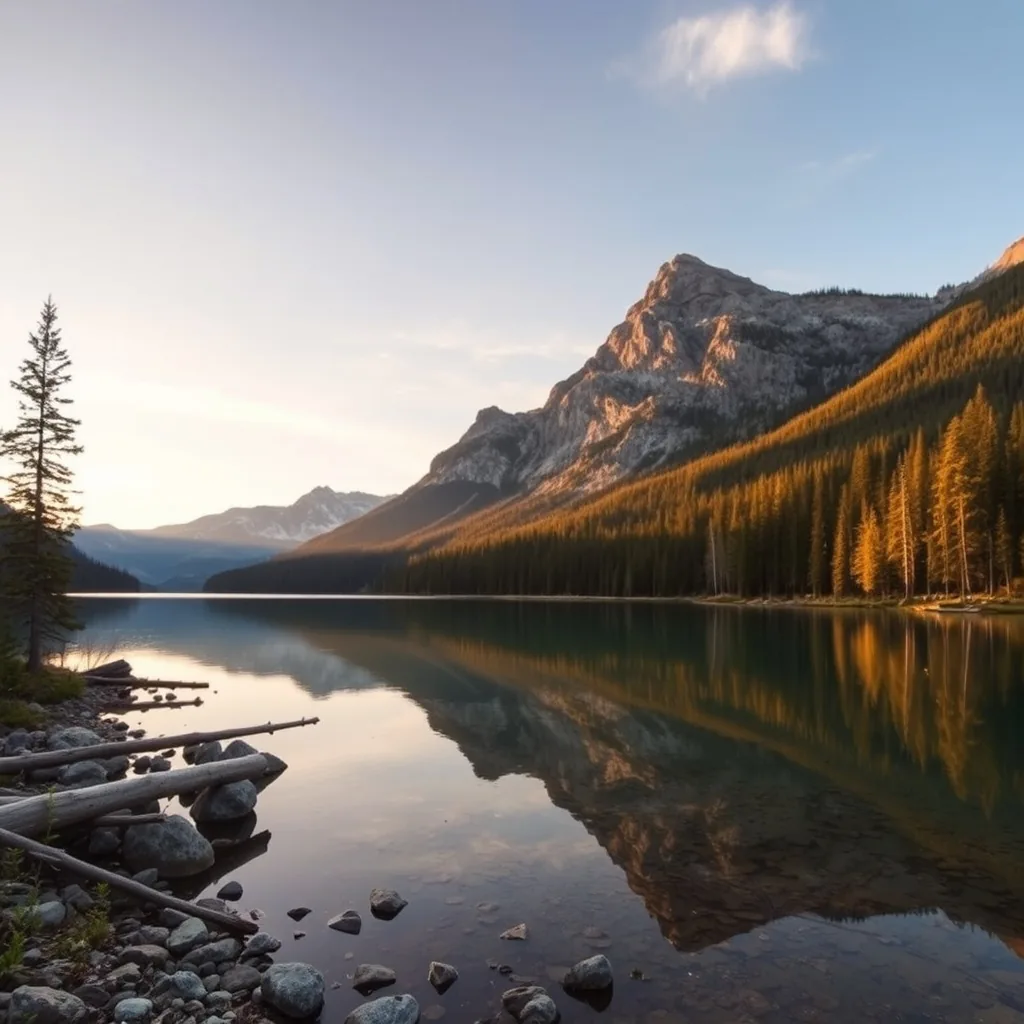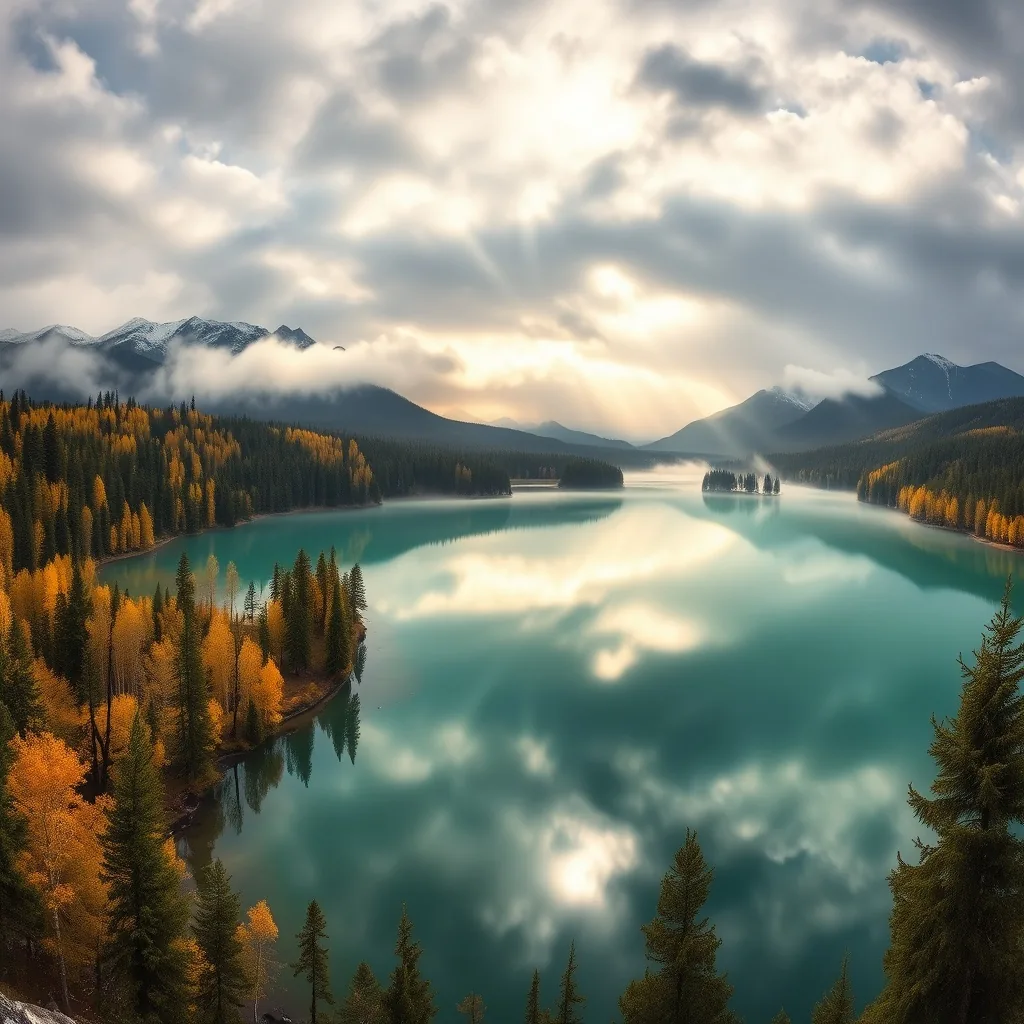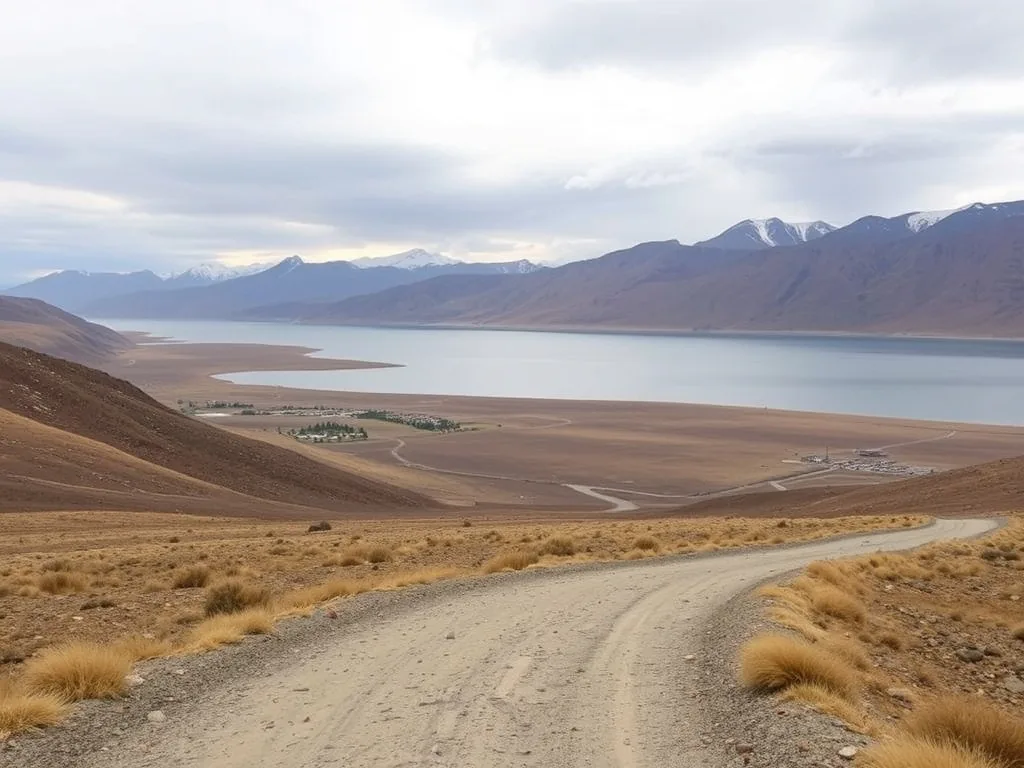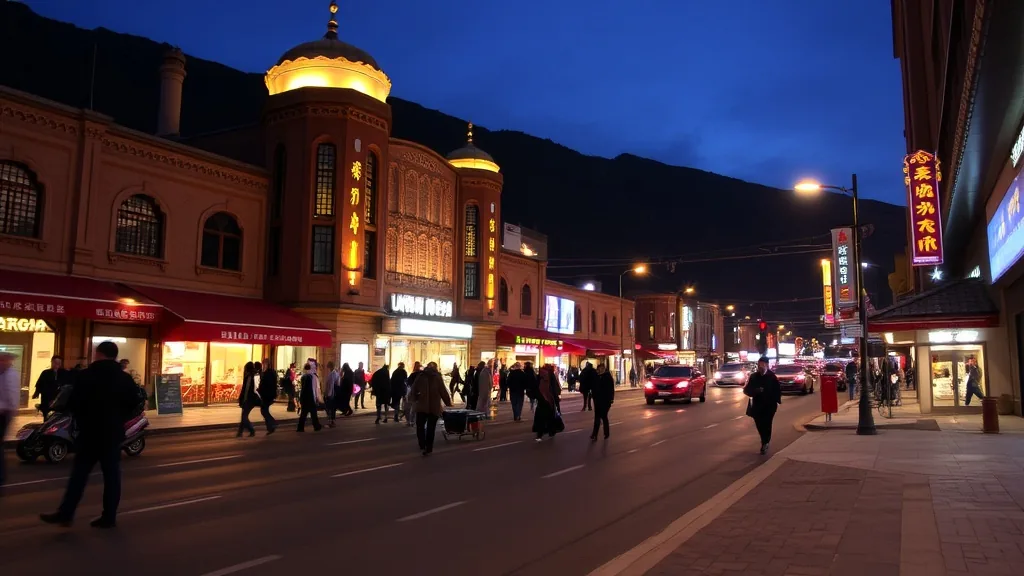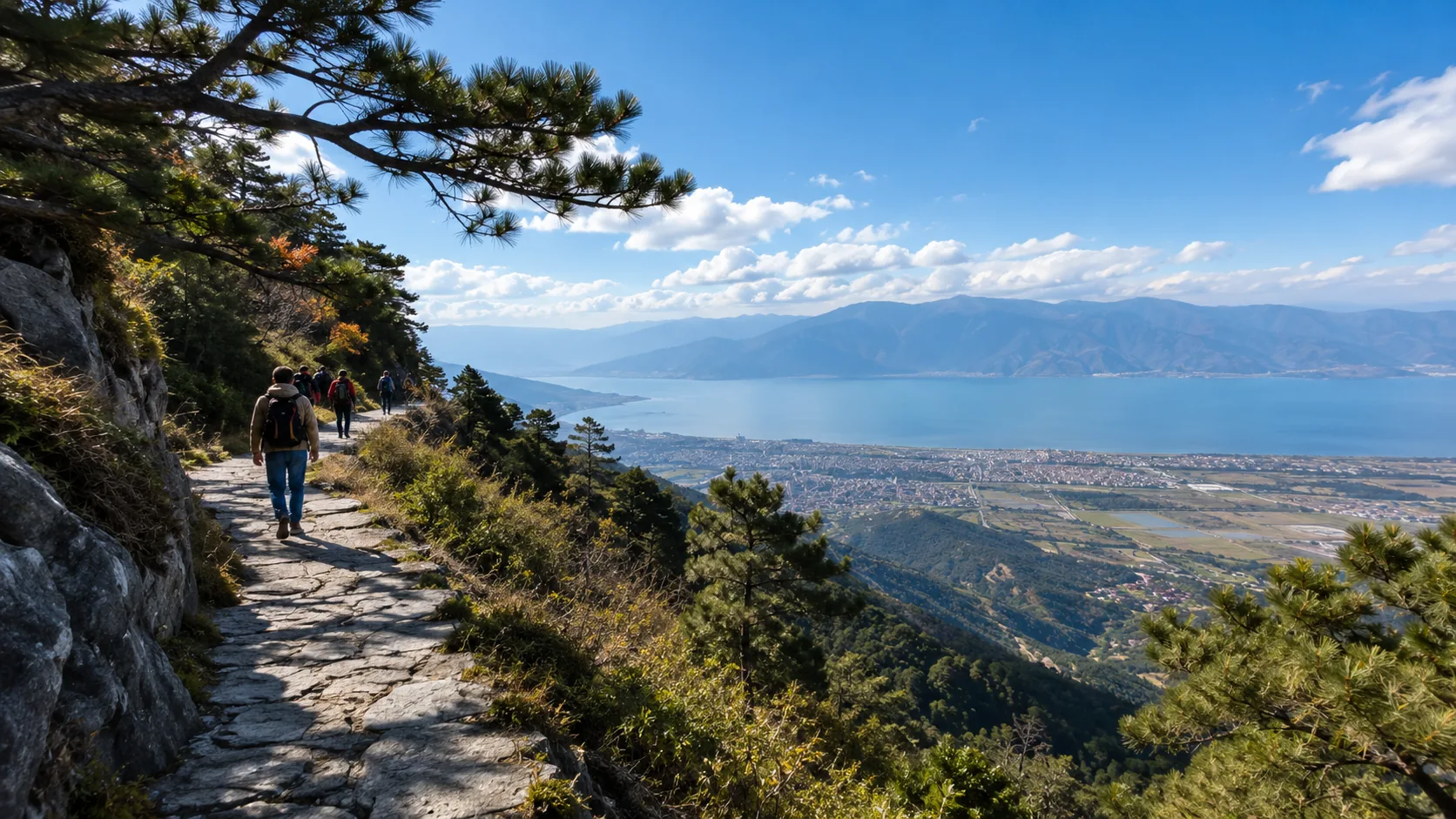



Day 1: Depart from Shangri-La → Baishuitai. Set off in the morning, spend the whole day exploring the details of the calcification pools
I arrived at the Shangri-La Passenger Station at 7:50 AM and bought a ticket for the 8:00 AM shuttle to Baishuitai—a blue minibus with navy blue seat covers, filled with locals: some carrying iron buckets of yak butter, some holding children in Tibetan robes. A man in the back row chatted with me, saying “the pools of Baishuitai were formed by the tears of the Dragon King,” and the aroma of barley cakes from an auntie’s bag wafted over as the bus started.
The journey followed Provincial Road S220. The first 1 hour involved crossing the “Nixi Pass” at an altitude of 3200m. Outside the window, Shangri-La’s meadows gradually turned into coniferous forests. The peak of Shika Snow Mountain peeked through the clouds, its snowline glowing gold in the sunlight. The driver specially stopped for 2 minutes, saying “Take a photo now, the snow is at its brightest.” I took a photo of the snowy peak and prayer flags, which later became the most-liked post on my social media.
I reached Baishuitai Village at 10:30 AM. At the village entrance, there was a wooden yak butter tea stall on the dirt road, run by an old grandmother in navy Tibetan dress with silver headpieces dangling small coral beads. The stall was covered with yak wool felt and set with coarse ceramic bowls. When she poured the tea, her wrist made a graceful circle, and a layer of milk skin floated on top, followed by a handful of fried rice and roasted crushed peanuts—”5 yuan, drink slowly, get warm before heading to the scenic area.” I squatted by the stall holding the bowl; the salty, fragrant tea wrapped around the crispness of the fried rice, instantly warming my stomach. She also handed me a roasted potato, saying “Just dug from the field, it’s sweet.”
I bought the ticket at a small house at the end of the village. It was 30 yuan per ticket, a paper ticket printed with a diagram of the calcification pools. Before entering, I caught a glimpse of a warning sign: “The calcification pools have deposited over thousands of years, do not step on the stones at the edge”—later I actually saw a guy in Crocs slip while stepping on them; I quickly helped him up, and he said “I thought they were just regular steps.”
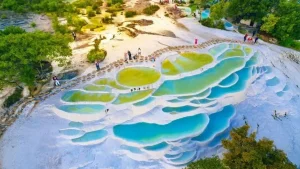
Instead of following the crowd to the visitor center, I took the gravel path on the left: the path was lined with knee-high shrubs with small purple flowers, and the air had a bitter herbal scent. The further I walked, the clearer the “tinkling” sound of water became. After about 10 minutes, the view suddenly opened up—the bottom of the calcification pools was right at my feet. Spring water seeped from the rock crevices, stacking into “steps” layer by layer. The water in each layer was different: the bottom layer was dark green like brewed matcha; the middle layer was pale blue like the sky had been crushed and submerged; the top layer flowed fast, splashing small droplets that glittered like shattered silver in the sun. I crouched down to touch the moss at the edge—it was soft and damp. I didn’t dare press hard, afraid of damaging it.
At 2:50 PM, I headed toward the Five-Color Pool: climbing up along the wooden boardwalk at the edge of the pools. The boardwalk was a bit slippery, so I gripped the nearby iron chains. The Five-Color Pool is at the top of a small slope, surrounded by higher calcification pools with water flowing down in small waterfalls. At 3:00 PM sharp, sunlight slanted through the clouds—the pool water suddenly changed color! First, a pink hue appeared at the edges, like a handful of peach blossom powder had been scattered; then the center turned light green like newly sprouted willow leaves; finally, the entire pool became pale blue like a sky mixed with milk. I took photos for 20 minutes; the colors changed every 5 seconds. Even a passing Naxi auntie stopped to say, “This is the best time to look, I come to photograph it every day.”
I stayed at Cloud Top Guesthouse at the village entrance: the owner was a Naxi young man in a navy shirt and black-rimmed glasses. Taking my backpack, he said “I reserved a window room for you, you can see the calcification pools.” The room wasn’t large, the wooden floor was polished bright, and the bed was covered with a thick Tibetan blanket. The window faced the scenic area. The owner brought out a yak meat hotpot—cooked in a copper pot, the broth was milky white, containing sliced yak meat, white radish, potatoes, and a dish of homemade pickled dried radishes. “The dried radishes are from last winter, seasoned with Sichuan peppercorns and dried barley to cut through the richness of the hotpot.” I took a bite of the radish; it was crisp and slightly numbing, perfectly paired with the hot soup. After eating, the owner poured me a cup of sweet tea. Sitting in the courtyard chatting, he said “The pools of Baishuitai change every year; the color is bluer when there’s more rain, and more stones are exposed during droughts”—I slept soundly that night under a thin quilt, listening to the distant sound of the flowing water from the calcification pools, like someone singing softly.
Tips: ① Buy bus tickets at the passenger station 1 day in advance; no need to book online, the aunties on-site will help you pick a window seat. ② The fried rice in the yak butter tea is added fresh; drink it while it’s hot, as it can get a bit fishy when cold. ③ Don’t rush into the scenic area; take the small dirt road on the left to see the most primitive bottom of the calcification pools, which feels much better than the observation deck at the visitor center.
| Daily Expenses (Per Person) | Details |
|---|---|
| Transportation | Passenger station bus 15 yuan |
| Tickets | 30 yuan |
| Food | Yak butter tea 5 yuan + Yak meat hotpot 80 yuan |
| Other | Candy for kids 2 yuan |
| Total | 132 yuan |
Day 2: Baishuitai → Tiger Leaping Gorge. Transfer at noon, dive into the gorge in the afternoon to hear the river drumming
I waited for a carpool at Baishuitai village entrance at 8:50 AM—the guesthouse owner helped me book a car to Tiger Leaping Gorge yesterday. The driver was a local Naxi man driving an old Jetta with Tibetan checkered seat covers and a glass jar of barley wine on the passenger seat. We set off at 9:00 AM sharp. The driver said “The road is good today, we’ll arrive in 1.5 hours.” Along the way from Baishuitai toward the northwest, the vegetation changed from shrubs to exposed red rocks, and the scent of green grass in the wind was replaced by the fishy sweetness of the river. Passing a meadow filled with Galsang flowers, the driver stopped for 1 minute: “This is a mandatory path to Tiger Leaping Gorge. The flowers are planted by herdsmen; they aren’t for sale, they’re just for happiness.”
Arrived at Tiger Leaping Gorge Town at 10:30 AM sharp. Under an old locust tree in the town center hung a faded wooden sign “Old Ferry Sichuan Restaurant.” Where the red paint had peeled, the wood grain showed through. The owner was an uncle in a faded round-neck shirt and a grease-stained apron. Seeing me enter, he tossed the menu on the table: “Do you eat spicy, little girl? The Spicy Diced Chicken is freshly fried and the peanuts are crisp.” I ordered mild spice. The porcelain bowl arrived with a “clatter”—the chicken pieces were stir-fried with bright red dried chilies until fragrant. Each piece was crispy on the outside and tender inside, releasing juice when bitten. The Erjingtao and millet chilies mixed with garlic aroma were so good I devoured two big bowls of rice, finally mixing the leftover sauce with rice to finish it all. The uncle brought over free pickles—radishes and greens, sour, spicy, and crisp, very refreshing.
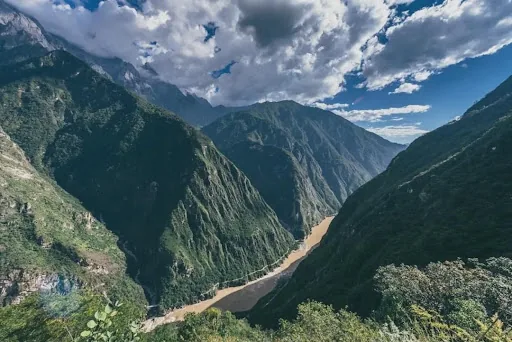
At 1:50 PM, I headed toward Middle Tiger Leaping Gorge—I asked an old woman selling apples at the town exit. She pointed to a small dirt road leading into the mountains: “Take Teacher Zhang’s path, don’t buy the package ticket; 15 yuan gets you to the most essential part.” The ticket seller was a Tibetan auntie in traditional dress with an amber necklace. Taking the money, she said “The boardwalk is slippery, your hiking boots are a steady choice.” Teacher Zhang’s path started as gravel, leading after 10 minutes to the “Sky Ladder”—nearly 30 vertical iron steps with rusty chain handrails. I gripped them tight and climbed; every step echoed with the rattling of the chains. By the time I reached the top, my forehead was sweating. I looked up: The Jinsha River suddenly spread out beneath my feet, like a wrinkled yellow silk ribbon winding around the grey rocks opposite. The river wind blew water vapor over me, sticking my bangs to my forehead.
Going down was a wooden boardwalk. In some places, the boards were loose, so I stepped carefully—the Narrow Sky (Yixiantian) had arrived. The cliffs on both sides were so close only a narrow strip of sky remained. The boardwalk was suspended in mid-air. Looking down at the surging river, the water splashing against the rocks hit my face, making me shirk from the cold. Dark green moss grew on the nearby rocks, and occasionally a small squirrel darted past, stopping on the railing to stare at me. Walking another 20 minutes, the Middle Tiger Leaping Stone crashed into view—a huge grey rock lying in the middle of the river. The river split into two streams winding around it, forming two rapid whirlpools. The sound of the impact was like someone beating a giant drum. I stood by the guardrail of the observation deck; the wind puffed up my jacket. A local old man nearby was fishing with a bamboo basket, his rod in the water. He said “These are Jinsha River Shipazi fish, the meat is very tender. I’ll catch a couple for you to taste tonight.”
Returned to the town at 7:00 PM. Following the receptionist’s directions, I walked 50 meters east and found “Gorge Inn”—it had a small storefront with “All the winds of Tiger Leaping Gorge are here” carved on a wooden plaque. The owner was a middle-aged man with black-rimmed glasses. When I walked in, he pulled a coarse ceramic cup from behind the counter: “Freshly brewed aged Pu’er, have a taste.” The tea was reddish-brown, with an aged fragrance and a smooth finish. My room was on the second floor, with a window facing the western mountains. The curtains were made from old bedsheets with pale blue flower prints. I sat by the window after dropping my bags, listening to the sound of the wind in the gorge, like someone sighing softly. Downstairs, the owner was brewing tea, the aroma drifting up mixed with the scent of mountain herbs. When I lay in bed, the buckwheat pillow was just the right firmness. I stared at the stars outside—fewer than in Shangri-La, but brighter, like diamonds scattered on black velvet.
Small tips picked up on the road: ① When carpooling, always tell the driver “Take Teacher Zhang’s path.” Don’t be pressured into buying the “Full Package Ticket” (over 100 yuan; the core section of Middle Tiger Leaping only costs 15 yuan). ② Bring a bottle of mineral water for the hike; there are no shops. Although you can collect river water, it’s so muddy you can see the silt. ③ The Pu’er tea at Gorge Inn is free, but bring your own cup or ask the owner for a ceramic one—he says “tea only tastes right this way.”
Day 3: Tiger Leaping Gorge → Departure. Enjoy the gorge wind a bit longer in the morning, head back at noon carrying the warmth
I left the guesthouse at 7:40 AM with the yak yogurt I bought yesterday—the breakfast stall at the town entrance was just setting up. A sister in a blue apron was kneading barley dough and shouted, “Want it hot? Freshly steamed barley buns!” I didn’t buy any, clutching my yogurt as I walked toward Tiger Leaping Gorge. In 10 minutes, I reached the Upper Tiger Leaping observation deck. The ticket was 45 yuan. The ticket seller was an uncle in a baseball cap; checking my ticket, he said “The light is best before 8:00 AM, you’ve timed it perfectly”—sure enough, the 8:10 AM sun had just climbed over the eastern peaks, dyeing the Jinsha River honey-colored, with a layer of mist floating on the surface like a soft blanket over the water.
The observation deck railings were iron and a bit cold. I stood at the very edge. The full view of Tiger Leaping Gorge hit my eyes: to the left were the foothills of Jade Dragon Snow Mountain, with grey rocks draped in prayer flags; to the right was the gentle slope of Haba Snow Mountain, with black yaks scattered across the meadows. In the middle was the rushing Jinsha River, like an enraged yellow dragon crashing against the big rocks ahead. The waves splashed two stories high, hitting the rocks with a “boom” that was even more vibrating than what I heard yesterday at Middle Tiger Leaping. I took out my phone, found a quiet corner, propped it on a small dirt mound, and adjusted for a slow-shutter shot of the river’s trajectory—it came out looking like crushed gold leaf, every water trace sparkling. A guy with a camera approached and said “This angle is great. My shots were all head-on, not as layered as yours.” I laughed and said “I scouted for half an hour to find this.”
After watching the sunrise for half an hour, I headed back at 8:40 AM. Passing the small shop below the observation deck, the proprietress held up a yak bone necklace: “10 yuan, a souvenir of Tiger Leaping Gorge.” I didn’t buy it—the grandmother yesterday told me these are all from Yiwu; it’s better to buy her yak yogurt, 5 yuan a bowl, so thick it sticks to the spoon. I went back to buy a bowl and sat on the stone steps of the shop to eat. The yogurt was mixed with fried rice, sweet and delicious, perfectly countering the morning hunger with the cool gorge wind.
Returned to the town center at 10:30 AM. The sister’s barley cakes were fresh from the oven, the crust crispy enough to drop crumbs, filled with sweet dried beets. A hot bite sent the sugar juice from the beets oozing out onto the corner of my mouth. I bought two to keep in my pocket for lunch and went to Old Ferry Sichuan Restaurant for a cup of free pickles—yesterday’s chicken was too spicy, so I wanted something light today.
Departing before 12:00 PM, I chose the shuttle bus back to Shangri-La: the bus station was in an alley east of the town, with a blue sign reading “Shangri-La Passenger Station Tiger Leaping Gorge Branch.” The driver was a Tibetan uncle in a navy jacket. Seeing me with my barley cakes, he helped put my luggage in the trunk and said “Sit by the window to see Haba Snow Mountain.” The shuttle was an Iveco, filled with people heading back: some holding honey bought from the gorge, some carrying freshly caught Shipazi fish. Departed at 11:40 AM. As the bus drove out of the town, I watched Tiger Leaping Gorge fade into the distance—the sound of the river slowly faded, replaced by roadside grasslands and livestock. Shika Snow Mountain’s peak reappeared, the sun shining gold on the snowline.
The bus swayed for 2 hours and returned to Shangri-La city at 1:40 PM. Touching the barley cake crumbs in my pocket, I thought of the 3-day journey: Baishuitai’s calcification pools like a crushed sky, Tiger Leaping Gorge’s river like the charging wind, and even the hot meals and sweet tea carried the warmth of Shangri-La. Getting off, the driver said to me “Come again next time, I’ll save a window seat for you”—I nodded with a smile and walked toward the exit. The aroma of a nearby sweet tea house drifted in the wind; I knew this trip was well worth it.
Little experiences gathered on the road: ① Upper Tiger Leaping tickets are worth it; they offer a “God’s eye view” compared to Middle Tiger Leaping, great for panoramic shots. ② Don’t buy expensive souvenirs at the observation deck; the yak yogurt at the town entrance shop is the hidden treasure. ③ Arrive 10 minutes early for the bus back to Shangri-La; the driver will save a good seat for you—the window side for snow mountain views is much better than the back row.
| Daily Expenses (Per Person) | Details |
|---|---|
| Tickets | Upper Tiger Leaping 45 yuan |
| Food | Barley cake 10 yuan + Yak yogurt 10 yuan |
| Transportation | Tiger Leaping Gorge → Shangri-La bus 25 yuan |
| Other | Hada (for the driver) 5 yuan |
| Total | 85 yuan |
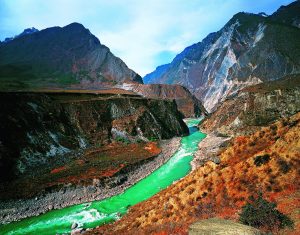
Baishuitai Calcification Pools: The “Time’s Palette” hidden underground, secrets I mastered after half a day
I met a guide named Ajia at the scenic area entrance, wearing a navy Tibetan dress with red strings tied to her braids and a polished seashell pendant at her waist. Seeing me taking photos of the pools, she smiled and chatted in less-than-fluent Mandarin: “Girl, don’t just shoot the surface. These pools are ‘watercolor paintings’ accumulated by the earth over thousands of years.” She pulled me to sit by a Mani stone pile at the entrance and poked the grass at our feet: “Look, this groundwater melts down from Jade Dragon Snow Mountain, carrying lots of calcium, seeping slowly through rock crevices—it’s like the water is ‘spitting’ things out. When it hits the carbon dioxide in the air, it turns calcium into calcium carbonate, stacking up bit by bit. Look at this white film,” she touched a layer of fine powder on the pool wall, “this was just ‘spat’ out, it’s not even dry yet.”
Three must-see pools, I squatted by each until my legs were numb:
The first is the Welcoming Pool, just down the small slope to the left of the entrance. It’s a 5-minute walk along the wooden boardwalk. The pool water is so clear you can count the pebbles at the bottom, each covered with a calcification layer so thin it’s almost invisible, like a sprinkling of fine salt. Ajia said “Touch it”—I touched the pool wall with my fingertip; it was slippery, like touching a piece of suet jade soaked in warm water. Even the moss grew denser here than elsewhere, glowing a bright green.
The second is the Lotus Pool, hidden in a small valley in the middle of the scenic area. Looking down from above, the pool walls curve like flower petals, truly looking like a half-opened lotus! The water is a pale emerald green. At around 9:00 AM, the sunlight slanted in, casting the shadows of the nearby ferns into the water, like adding veins to the lotus. I squatted on a nearby rock to shoot, not even noticing a blue dragonfly passing by until Ajia called: “Girl, the light is moving, take your last shot!”
The third is the Five-Color Pool. I specifically timed it to be there at 2:50 PM. The pool isn’t large, looking like a crumpled silk ball. At 3:00 PM sharp, the first ray of sunlight hit through the cloud gaps—first, pink appeared at the edges like someone secretly scattered peach blossom powder; then the center slowly turned light blue like the early morning sky had been crushed and submerged; finally, the whole pool became pale purple like a half cup of lavender tea. I propped my phone on a tripod and took a shot every 5 seconds, not even missing the ripples from the wind. A Naxi auntie selling butter cakes nearby laughed in her dialect: “Girl, you’re filming the pool changing its flower clothes!”
As I was leaving, Ajia pulled me back, pointing to some large stones at the pool edge: “Don’t step on these! The calcification layer is brittle. Stepping on it creates crumbs, and damage takes years to recover—last time a girl in high heels slipped and almost fell into the pool, she was quite scared.” She also handed me a piece of dried barley cake: “Fill your stomach. Looking at the pools too long makes your eyes tired; have something sweet.” The cake carried the warmth of the sun and had a bitter barley taste, much like the scent of the calcification pools.
Secrets for viewing the pools: ① Go to the Lotus Pool at 9:00 AM; the sunlight casts moss shadows into the water like natural patterns. ② Wait for the 3:00 PM sun at the Five-Color Pool for the most vivid colors; use a tripod for a time-lapse of the “wardrobe change.” ③ Wear flat shoes! The stones at the pool edge are slippery; don’t be like me and almost fall.
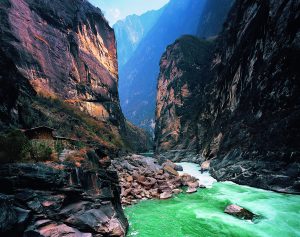
Tiger Leaping Gorge Trekking: Only with the right shoes and gear did I dare dive into the gorge’s “wild temper”
The night before at Gorge Inn, I pulled my deep-tread Vibram hiking boots out of the box—the soles still had mud from the Baishuitai pools. I wiped them clean with a wet wipe; the anti-slip teeth pressed into my palm as if reminding me “don’t misstep.” My thin outer layer was a faded grey fleece hoodie, folded into a small square in the backpack’s side pocket, next to a bottle of mineral water and two pieces of dark chocolate—the guesthouse owner patted my shoulder, saying “The gorge wind is cold and you’ll sweat a lot, chocolate will give you some strength.”
At 2:10 PM, I started from Teacher Zhang’s path at the town entrance. The wind already carried the salty-fishy scent of the Jinsha River. The Galsang flowers at the roadside were bent by the wind, their petals dusted with highland soil. The path started with gravel that crunched underfoot. 10 minutes later, I reached the Sky Ladder—looking up, the 30 iron steps were like a vertical snake, with rusty handrail chains hanging on both sides. Grabbing them, the cold made my palms shrink. I gripped the chain and climbed; every breath echoed against the iron walls. At the 15th step, a small blue flower emerged from a rock crevice, its petals dotted with dew like scattered diamonds. Reaching the top, I was soaked in sweat. The wind blew, making me sneeze—the moment I looked down, the Jinsha River smashed into my eyes: the river was deep yellow like freshly brewed ginger tea, crashing against the grey reefs ahead. The waves were half a man high, and the reefs were draped with faded prayer flags fluttering loudly in the wind. The roar of the river carried a wild energy.
Going down the wooden boardwalk, it creaked. At Narrow Sky (Yixiantian), I suddenly understood what it meant to be “squeezed by mountains”—the rocks on both sides looked split by a giant axe, leaving only a 50cm wide strip of sky. The boardwalk was suspended in mid-air. I held the rock wall, my fingertips touching slippery green moss with a post-rain dampness. The light leaking from above was like gold powder scattered on the wooden boards; every step echoed my heartbeat. Reaching the middle, the river sound became muffled like a drum inside a jar, getting louder until I turned a corner and the Middle Tiger Leaping Stone crashed into view: a massive grey rock lying in the river. The water split into two streams around it, forming whirlpools. The impact made my ears go numb. A Tibetan old man nearby with a bamboo basket and a rod in the water laughed in his dialect: “Girl, these are Jinsha River Shipazi fish, the meat is so tender it melts. Want some? I’ll catch one for you.” I shook my head, crouched by the observation deck, and touched the river—the water was cold and gritty with silt, yet it felt like a force was entering my arm through my fingertips, like the earth greeting me.
Heading back, I passed the souvenir stalls. Vendors selling Tibetan silver bracelets and plastic yaks called out “10 yuan each, a memory of Tiger Leaping Gorge.” I didn’t stop—the guesthouse owner said yesterday these are all wholesale from Shangri-La with no character. I found a small shop in town called “River Wind Coffee.” The owner was an auntie from Shanghai in a linen shirt. She brewed a fresh cup of Blue Mountain for 15 yuan, served on a wooden table by the river. I sat drinking it; the wind carried the coffee aroma. Opposite was the gentle slope of Haba Snow Mountain with black yaks scattered in the meadows. The distant Middle Tiger Leaping Stone turned dark gold in the sunset. The river was still surging as if it never stopped. The auntie wiped a cup and said, “I’ve been here three years. I mostly see people trekking in Crocs, only to slip and fall on their butts—you were smart to wear those boots.” I smiled and took a sip of coffee; it was sweet, mixed with the river wind, as if I had swallowed all the gorge’s wild energy.
Practical Info Along the Way: I turned the 3-day “Survival Guide” into steady steps
Explaining “How to get there”—the bus is your legs, the road is the scenery
Shangri-La → Baishuitai: I stepped onto the station’s bluestone floor at 7:50 AM to buy a ticket. The window auntie, a Tibetan sister with tsampa crumbs on her fingers, tore a 15 yuan ticket for me and said “Sit in the back to see Shika Snow Mountain.” The shuttle was an old blue minibus with checkered seat covers, a bit hard but steady. As we drove, a Tibetan grandmother nearby handed me a barley candy: “Girl, eat this on the road, it’s sweet.” Holding the wrapper, I watched the meadows turn from green to yellow, reaching the Baishuitai pools—arrived at the village entrance at 10:30 AM sharp, saving 25 yuan compared to carpooling and without the wait.
Baishuitai → Tiger Leaping Gorge: At 9:00 AM on the second day, I waited for a carpool. The driver was Naxi, driving a Jetta with faded seat covers. Seeing my yak jerky from yesterday, he smiled: “Take Teacher Zhang’s path, don’t buy the package ticket, 15 yuan for the essence.” Arrived at Tiger Leaping Gorge Town at 10:30 AM, half an hour faster than the bus. The driver reminded me “Go to Old Ferry at noon for Spicy Chicken; the uncle’s is the most authentic.”
Tiger Leaping Gorge → Shangri-La: Before 12:00 PM on the third day, I went to the town’s east station branch to buy a 25 yuan ticket. The driver helped me with my bags and saved a window seat: “You can see the snowy peak of Haba.” As the bus left, I watched Tiger Leaping Gorge fade—the river changed from a “yellow dragon” to a thin line, finally disappearing behind the mountains, the wind still carrying the scent of yesterday’s grass.
Food: No fuss, but it must be “Warm and Right”
Cloud Top Guesthouse in Baishuitai: The owner was Naxi in a navy shirt. He said “I saved you a window room.” Dinner was his Yak Meat Hotpot—a copper pot with milky broth and coriander. The beef was thick and juicy, served with radish and potatoes. I added his homemade pickled radishes, crisp with a numbing hint of Sichuan peppercorn and barley. It was so warm my stomach tingled. The owner sat opposite drinking sweet tea, saying “My mom dried these radishes last winter; they get more fragrant the more you chew.”
Old Ferry Sichuan Restaurant in Tiger Leaping Gorge Town: Returning to town, I was starving. The uncle in a faded shirt and greasy apron called out “Spicy Diced Chicken just fried, mild but exciting.” The porcelain bowl “clattered” down; chicken pieces wrapped in bright chilies, crispy outside and tender inside. With two bowls of rice, I even mixed the sauce at the bottom—the uncle also brought over free pickled radishes, “My mom’s, to cut the grease.”
River Wind Coffee in Tiger Leaping Gorge Town: Before leaving on the third day, I found “River Wind Coffee” run by a Shanghai auntie. She brewed fresh Blue Mountain for 15 yuan. I sat there drinking; the wind blew the coffee aroma toward Haba Snow Mountain. She said “These beans are from Shanghai, freshly ground, better than instant.” I took a sip; sweet and mixed with the river wind, as if swallowing the gorge’s tenderness.
Gear: Not a list, but “Confidence to be with Nature”
I checked my backpack three times before leaving. Nothing extra, but everything was useful:
- Non-slip Hiking Boots: My deep-tread Vibram boots made me feel steady on slippery boardwalks—Middle Tiger Leaping’s ladder and Narrow Sky were slippery, but I never fell.
- Thin Fleece Jacket: The mountain wind at the Sky Ladder was bone-chilling in the morning. Even in summer, gorge wind feels like ice shards.
- Small Backpack + Water + Chocolate: Carrying electrolyte water and dark chocolate. I had one chocolate every half hour for energy. Halfway through the water, I used it to rinse my mouth from the river spray (didn’t dare drink it).
- Sun Hat + Power Bank: The highland sun is fierce; my wide-brimmed hat kept my face from burning. The power bank was for the time-lapse at Five-Color Pool—I shot every time the color changed; without it, I would have run out of power.
Over these three days, I didn’t rush to any Instagram spots. Baishuitai’s pools were like a crystal carpet laid by God; I squatted there for half an hour. Tiger Leaping Gorge’s river was like wild horses; I stood by the stone, listening to the roar until my ears were numb. All preparation wasn’t a hassle; it was my confidence to “waste” time in nature. If you want to find a quiet place to hear the wind, the river, and the flow of the pools, this “practical information” is enough to get you through.
One last reminder: ① Buy bus tickets at the station 1 day early; the auntie will pick a good seat for you. ② Always tell carpool drivers “Take Teacher Zhang’s path.” ③ The fresh coffee is worth a try; it’s a bit of “clear tenderness” compared to sweet tea.
| Category | Details |
|---|---|
| Transportation | Shangri-La → Baishuitai: 15 yuan/person, 2.5 hours; Baishuitai → Tiger Leaping Gorge: Carpool 50 yuan/person; Tiger Leaping Gorge → Shangri-La: 25 yuan/person |
| Food | Baishuitai Yak Hotpot 80 yuan/person; Tiger Leaping Gorge Spicy Chicken 40 yuan/person; River Coffee 15 yuan/cup |
| Preparation | Non-slip boots, Thin fleece jacket, Mineral water, Chocolate, Sun hat, Power bank |
| Total | 3-day average for Transport + Food + Gear ≈ 300 yuan (Excl. accommodation) |