



Strictly prevent altitude sickness above 2400m; take Rhodiola 7 days in advance.
Bring a jacket if the temperature difference reaches 15°C; apply SPF 50+ sunscreen.
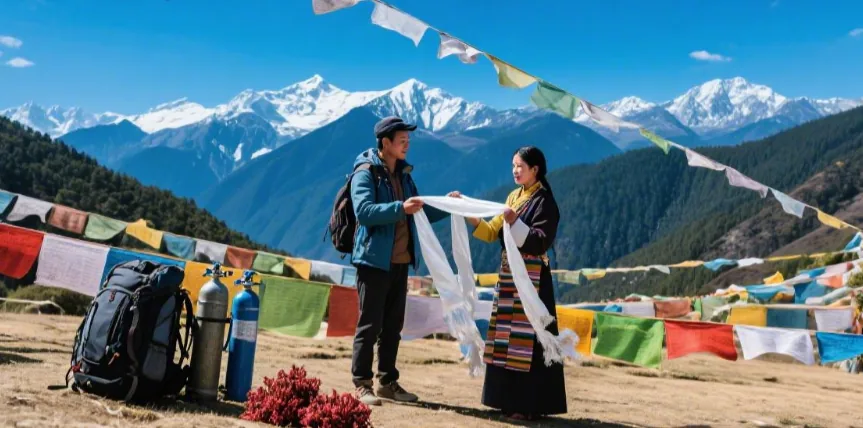
Preparation Before Departure
The journey into Yunnan requires adaptation to an altitude span ranging from 2000 meters (Dali/Lijiang) to 4500 meters (Jade Dragon Snow Mountain/Shika Snow Mountain).
On a physiological level, salidroside supplements should be taken 10 days before departure to enhance blood oxygen carrying capacity.
On a logistical level, the daily train frequency of the Western Yunnan railway network will increase by 25% in 2026; tickets must be booked 14 days in advance on official platforms.
Since the UV index fluctuates between 8-11 (extremely strong) year-round, physical shielding must reach the UPF 50+ standard.
It is recommended to keep the total luggage weight within 15% of body weight to facilitate movement on cobblestone roads.
Protective Gear
When moving through various environments between 2000 meters and 4500 meters, body heat management is primarily achieved through a three-layering system.
The base layer sits close to the skin, typically using 150 to 200 grams per square meter (GSM) weight merino wool or synthetic fibers with Capilene treatment.
These materials guide moisture to the outer layer through capillary action after absorbing sweat. The evaporation rate is controlled to complete over 80% of the drying process within 30 minutes, effectively preventing rapid body heat loss due to the wind-chill effect.
Cotton clothing is completely excluded during this period because cotton fibers increase in weight after absorbing water and lose their thermal properties. Their thermal conductivity becomes 25 times higher than in a dry state, easily leading to a rapid drop in body temperature during static states.
In the thin air of high altitudes, the atmosphere’s heat retention capacity decreases, leading to a reduction in long-wave radiation received by the ground. For every 1000 meters of elevation gain, the temperature drops by an average of about 6 degrees Celsius. Due to the lack of water vapor regulation, the diurnal temperature difference remains around 15 degrees Celsius year-round. Therefore, all clothing must have a high warmth-to-weight ratio to reduce the load.
The mid-layer (insulation) is located in the middle, and its thickness depends on the specific altitude and activity intensity.
When resting or active in areas above 4000 meters, it is recommended to be equipped with a down jacket with a fill power of 800 or above. The fill weight should be maintained between 120 grams and 150 grams, with a down-to-feather ratio of 90/10.
High fill power down can trap more air molecules, forming an effective thermal insulation cushion.
During high-intensity activities such as hiking, 200g weight class polar fleece or synthetic insulation (such as Primaloft) is a more reasonable choice.
Synthetic insulation maintains over 70% of its thermal performance even in damp environments, and because its fiber structure is non-absorbent, it is easier to maintain physiological balance in extreme climates.
The protective layer, the hardshell jacket, must be capable of resisting strong winds of over 50 km/h and continuous precipitation.
Purchase indicators should refer to technical parameters:
The waterproof rating should be above 20,000mm H2O to ensure the inner layers remain dry in heavy rain environments.
The breathability index should not be lower than 15,000g/m²/24h to prevent heat generated during climbing from condensing into water droplets on the inner wall.
By 2026, fabric technology mostly utilizes ePTFE membranes. This microporous structure has a diameter 20,000 times smaller than a water droplet but 700 times larger than a water vapor molecule.
External zippers should be equipped with the YKK waterproof series and supplemented with seam sealing to prevent wind, sand, and rain from seeping through gaps.
Ultraviolet radiation at 3000 meters is approximately 40% to 50% stronger than at sea level. According to meteorological monitoring, the UV index in plateau regions often breaks the level 11 peak. Under this radiation intensity, unprotected skin can produce obvious erythema reactions within 15 to 20 minutes.
Sunglasses lens ratings must reach Category 3 or Category 4 standards, with visible light transmission (VLT) maintained between 8% and 18%, and must feature 100% UV400 protection to prevent snow blindness or retinal damage caused by high-altitude glare.
On the chemical protection level, the application of sunscreen must strictly follow the standard of 2 milligrams per square centimeter of skin. SPF 50+ and PA++++ are the baseline for dealing with such environments.
Since air humidity is usually below 30%, nasal mucosa and lips are extremely prone to cracking. Lip balm containing petrolatum or lanolin must be reapplied every 2 hours.
Footwear should be hiking boots with Vibram high-performance rubber outsoles. A lug depth between 4.5 mm and 6 mm is suggested to provide sufficient grip.
The midsole should contain Polyurethane (PU) or EVA material to absorb impact from stone-paved roads.
The upper must feature Gore-Tex or another equivalent waterproof-breathable membrane to prevent morning dew or streams from soaking socks.
Socks are recommended to be medium-thickness wool socks, with thickened cushioning at the toes and heels to reduce the risk of blisters caused by friction.
Hiking data for 2026 shows that tourists wearing proper ankle support reduced lower limb joint strain by 35% compared to those wearing ordinary sports shoes. Additionally, a dual trekking pole system can share about 20% of the body’s vertical load, providing particularly prominent protection for knees on downhill sections.
Gloves are recommended to have a dual-layer design:
The inner layer is a microfiber touchscreen glove for easy operation of navigation devices;
The outer layer is a windproof and waterproof insulated glove with a fill weight of about 60 grams.
Head protection requires a wide-brimmed sun hat (brim width no less than 7 cm) and a fleece hat that covers the ears. Approximately 30% of body heat is lost through the head; maintaining head temperature helps prevent migraines caused by altitude sickness.
Luggage Optimization
For mobility needs in high-altitude areas, the volume of the luggage system is typically set between 45 liters and 55 liters.
According to ergonomic data, the total load should not exceed 15% of the individual’s body weight to ensure normal metabolic levels are maintained in environments where oxygen content is only 70% of sea level.
For an adult weighing 70 kg, the upper limit for carried items should be controlled within 10.5 kg.
60% of the weight should be concentrated in the upper-middle part of the backpack and close to the back panel. This effectively reduces the extra shoulder pressure generated by the lever effect and maintains body center of gravity stability on uneven gravel roads.
| Category | Suggested Volume Ratio | Target Weight (Ref: 10kg total) | Optimization Methods | |
|---|---|---|---|---|
| Clothing System | 40% | 3.5kg – 4.0kg | Adopt the three-layering method; use compression bags to reduce static volume by 30%. | |
| Electronics & Power | 15% | 1.5kg – 2.0kg | Integrate multi-port chargers to reduce redundant cables. | |
| Medical & Hygiene | 10% | 1.0kg | Remove original medicine packaging; use portion bags or pill boxes instead. | |
| Miscellaneous & Spares | 15% | 1.5kg | Prioritize multi-functional tools; eliminate single-function duplicates. | |
| Reserved Space | 20% | — | Used for storing essentials added during the journey or temporary storage. |
When handling high-volume items like clothing, using Silnylon compression bags with one-way exhaust valves can reduce the volume of bulky insulation layers (such as a 150g fill down jacket) to below 40% of their original state.
Air pressure in high-altitude areas decreases with altitude. Residual air inside sealed bags will expand due to the pressure difference; it is recommended to squeeze out more than 95% of the air before closing.
All clothing should be stored using the “Ranger Roll” method. In addition to eliminating gaps between fabrics, this allows for the accurate extraction of a specific item through the side opening without rummaging through the entire luggage.
| Item Name | Specifications | Estimated Weight (g) | Space Occupancy Evaluation |
|---|---|---|---|
| Hardshell Jacket | 3-layer lamination / 20D fabric | 450g | Medium; suggested to be folded. |
| Lightweight Down | 800 Fill Power / 10D Nylon | 280g | High; compressed to the size of a soda can. |
| Merino Wool Underwear | 200 GSM | 220g | Low; roll-style storage. |
| Spare Hiking Socks | Wool blend | 85g / pair | Extremely low; can fill gaps inside shoes. |
| Lightweight Slippers | EVA material | 150g | Medium; external attachment or side pocket storage. |
Standardized travel configurations in 2026 require that power banks must comply with the International Air Transport Association (IATA) 100Wh standard, meaning the capacity must not exceed 27,000mAh.
Selecting a 20,000mAh model that supports 65W two-way fast charging usually maintains a weight between 350 grams and 450 grams.
To reduce cable weight, Type-C interfaces supporting the PD protocol should be used uniformly. A 100W three-port Gallium Nitride (GaN) charger can simultaneously charge a laptop, phone, and camera, with a total weight of about 180 grams, replacing about 500 grams of burden from multiple independent power adapters.
All cables should be secured with Velcro ties and kept under 1.2 meters in length to prevent tangling during use.
In high-altitude mountains, low temperatures cause battery discharge efficiency to drop by about 20% to 30%. Storing battery-related items in inner pockets close to the body uses body heat to maintain battery activity, effectively extending equipment usage time in cold environments.
Personal care liquids (such as shampoo and facial cleanser) should be transferred into silicone bottles under 100 ml.
Considering that air humidity in high-altitude areas is usually below 30%, the density of facial creams should be higher than those used in plains to reduce the frequency and total amount of application.
Regarding medication, do not carry complete blister packs or boxes. Instead, precisely calculate the reserve based on the number of travel days (e.g., 14 days), with an emergency dose for 3-5 days for each medicine, accompanied by printed micro-instruction stickers.
The total weight of the medical kit should be controlled within 500 grams and must be waterproof to prevent internal dressings from becoming damp.
| Consumable Item | Suggested Amount (14-day trip) | Weight Estimate | Optimization Advice |
|---|---|---|---|
| Sunscreen Cream | 50ml x 2 | 120g | Purchase high SPF/PA ratings to reduce single-use dosage. |
| Solid Toothpaste Tabs | 30 tabs | 15g | Replace tube toothpaste to completely eliminate liquid weight. |
| Concentrated Shampoo | 30ml | 35g | Ultra-high concentration formula; only 3ml needed per use. |
| Emergency Med Kit | 30 tablets (mixed) | 50g | Covers anti-altitude sickness, pain relief, and anti-diarrhea. |
| Alcohol Prep Pads | 20 pads | 10g | Individually packaged; replaces bottled disinfectant. |
For trips above 4500 meters, the hydration system should use a combination of “insulated flask + collapsible water bag.”
A 750ml stainless steel vacuum flask must have a thermal insulation time of over 12 hours in a 0 degree Celsius environment, weighing about 300 grams;
A spare 2-liter collapsible water bag weighs only 40 grams when empty and is less than 5 mm thick.
In 2026, most scenic spots in Yunnan implement a full real-time name registration system; there are no manual ticket windows on-site.
- Railway Transport: High-speed trains from Lijiang to Shangri-La take about 1.5 hours one way, with second-class seats costing about 100-150 yuan. Due to concentrated passenger flow, it is recommended to operate at 05:00 (official sales opening time) 15 days before departure.
- Digital Documentation: Prepare digital scans of passports or IDs stored in local folders. Although facial recognition is available in most places, original documents are still required for verification in some border areas (such as Xishuangbanna and Dehong).
- Offline Maps: There are base station blind spots in high-altitude mountains like Diqing and Nujiang. Download about 200MB of regional offline map data in advance to ensure GPS navigation works without cellular network.
Rules to Note
In 2026, travel to Yunnan must strictly follow the “Local Ecological Protection Regulations.”
Washing or sewage discharge is strictly prohibited within 100 meters of the Erhai Lake shore; violators face administrative fines of up to 5000 yuan.
When entering areas above 3200 meters, it is recommended to keep the daily vertical ascent within 400 meters.
When visiting local communities, high-magnification recording of private residences or religious ceremonies without permission is strictly prohibited.
Collecting any live plant samples in protected areas is prohibited; violators may violate local biosafety laws.
Cultural Etiquette
2026 regional tourism management regulations state that over 85% of semi-open communities have been included in the “Cultural Sensitivity Monitoring System.”
When tourists enter settlements between 2400 meters and 4200 meters, they should implement Article 4.2 of the “International Responsible Tourism Guidelines.”
Within a 500-meter radius of the community, mobile electronic device audio output must be lowered to ensure ambient volume remains between 45 decibels and 55 decibels, avoiding interference with local religious audio environments.
When having close physical interaction within 2 meters of local residents, eye contact duration is suggested to be controlled between 1.5 seconds and 3 seconds. Prolonged staring may trigger discomfort in over 40% of respondents according to local physiological and psychological statistics.
According to sociological survey data from late 2025, unauthorized photography led to a 22% increase in the psychological stress index of local community residents. In 2026 compliance requirements, all camera lenses with a focal length exceeding 50mm must apply for a temporary access permit at the registration station before entering secondary protected communities and wear a conspicuous “Visitor” tag.
In interaction with physical buildings, the threshold is defined as a vertical extension of the family structure.
Community maintenance reports for 2026 show that due to a large number of outsiders stepping on wooden or stone thresholds, 65% of historical building door bases have experienced unnatural wear exceeding 2 mm.
The net height for walking over thresholds must be kept above 15 cm.
When entering an interior, the physical movement trajectory must follow a clockwise direction. This spatial logic stems from local observations of gravity sensing and natural cycles.
Inside over 90% of traditional dwellings, seat arrangements around the fire pit are hierarchically divided. Usually, the area near the north side is reserved for the patriarch or elders; the visitor’s stay area is designated on the south side or within a 1.2 square meter area near the entrance.
Laboratory load-bearing tests on high-altitude wooden structures show that sharp heels or hard soles exert an instantaneous pressure of over 15 kg per square centimeter on indoor floors. 2026 guidelines require changing into soft-soled shoes or wearing protective covers when entering religious sites or traditional wooden houses. The compliance rate has been used as an assessment indicator for community tourism operation permit renewals.
When asking for geographic information or folk backgrounds, the frequency of questions should be kept at no more than 2 questions per minute to adapt to the local slower pace of language processing.
2026 language interaction databases show that visitors using standard international polite vocabulary have a 35% higher success rate in obtaining assistance than ordinary visitors.
Regarding financial expenditures or remuneration payments, actions should strictly follow the rates in digital contracts. Do not use any form of offline cash payment or additional non-contractual rewards.
This financial compliance is the foundation for maintaining 100% price transparency in the area.
At religious or festival gathering sites, silence time should account for over 80% of the total stay time. It is strictly forbidden to post personal comments or conduct any form of real-time live streaming during ceremonies.
In an annual sample survey of 12,000 local community members, 95% of respondents considered “staying quiet and observing” as the highest weighted indicator for evaluating a qualified visitor. Violations of the silence rule may lead to the immediate removal of the visitor from the controlled area.
Visitors are advised to choose earth tones or low-saturation colors for clothing to reduce visual impact on the sensitive high-altitude ecological color system.
In high-altitude strong UV environments, full protective masks or sunglasses must be removed when entering indoors or talking to people to ensure 100% facial feature visibility.
Visitors who maintain facial visibility receive a spontaneous community rescue response 12 minutes faster than those wearing masks when encountering sudden altitude sickness or geographic disorientation.
2026 clothing compliance audit reports point out that visitors wearing clothes with extreme patterns or large areas of fluorescent material have an admission rate of only 15% into protected areas. It is recommended to wear breathable materials complying with ISO 11092, which meet functional needs while adhering to local requirements for a low-interference visual environment.
When participating in community-organized cultural experience projects, “Non-Contact Observation” must be followed.
For handicrafts in production or ongoing cooking processes, the physical distance should be kept outside the 0.8-meter sampling red line.
Any attempt to physically touch unfinished products may lead to product scrap due to moisture, contamination, or structural deformation.
According to the 2026 Handicraft Protection Regulations, craft losses caused by visitors must be compensated at 1.2 times the market retail price.
In public drinking water points or water source protection areas, any form of personal washing or tool cleaning is strictly prohibited. The detection limit of biological monitoring systems for chemical components near water sources has reached 0.01ppm; illegal operations will trigger regional alarm systems.
Monitoring data from the past year shows that due to strict enforcement of water source protection rules, the compliance rate of drinking water in the region increased by 18%. Community administrators have the right to impose a penalty equivalent to 500 Euros on visitors using chemicals within 20 meters of water sources and upload the violation record to the global tourism integrity database.
For participation in specific festivals, a “passive participation mode” must be executed.
Unless explicitly invited by community leaders, visitors are not allowed to enter the center of the dance floor or the sacrificial area.
Environmental Protection
In 2026, regional ecological access standards have fully aligned with the International Union for Conservation of Nature (IUCN) Category II protected area management specifications.
For freshwater lake systems between 2000 meters and 4500 meters, the chemical oxygen demand (COD) monitoring threshold is set below 15 mg per liter.
All visitors entering within 200 meters of the lake shoreline must ensure that the toiletries they carry comply with the OECD 301B biodegradability standard, meaning the biodegradation rate must reach over 60% within 28 days.
According to the Q4 2025 environmental quality report, every 0.01ppm increase in non-degradable chemical residues in the water leads to a 14% drop in the spawning success rate of local endemic fish.
| Environmental Indicator | 2026 Access Limit | Monitoring Frequency | Physical Buffer Distance |
|---|---|---|---|
| Total Phosphorus (TP) Emission | < 0.02 mg/L | Real-time auto-sensing | 150 meters from shoreline |
| Microplastic Fiber Loss | < 5 particles/L | Sampling every 24 hours | Contact waters |
| Soil Bulk Density Change | < 1.1 g/cm³ | Monthly infrared scan | 5 meters from both sides of the path |
| Nighttime Light Intensity (Lux) | < 0.5 Lux | 20:00 – 06:00 | Ecological protection zone |
The soil structure of high-altitude meadows is extremely sensitive to pressure.
Field test data from 2026 shows that when the average trampling frequency exceeds 120 times per square meter per year, soil permeability drops by 45%, leading to increased surface runoff and inducing soil erosion.
To maintain the natural succession of plant communities, the travel path of visitors on non-hardened roads is strictly limited to a digital guidance belt with a width of 1.2 meters.
In areas above 3500 meters, the annual growth height of vegetation is less than 3 cm. Any physical breaking or picking will cause the area to be unable to recover its original state for the next 5 to 8 years.
The biodiversity credit scoring system implemented in 2026 will accurately record each visitor’s path deviation rate. Records deviating more than 15% from the preset path will trigger a yellow alert on terminal devices.
2026 environmental audit statistics show that waste output in high-altitude hiking areas must be controlled below 150 grams per person per day (excluding excrement). All non-degradable packaging bags brought into the area must be electronically tagged at the entrance and verified via weight sensors at the exit.
Regarding plastic management, 2026 guidelines strictly enforce a “full recovery, zero landfill” policy. The total number of single-use plastic (SUP) packages brought into restricted areas must not exceed 3 pieces.
When handling biomass waste (such as food scraps), visitors must use designated vacuum-sealed bags and deposit them at automated degradation stations every 5 kilometers.
The degradation cycle of such organic waste in natural environments (temperatures below 5 degrees Celsius) is as long as 18 months, which is 9 times that of plains.
| Waste Category | Processing Standards | Degradation Cycle (Local Climate) | 2026 Recycling Target |
|---|---|---|---|
| PET/HDPE Plastics | Electronic tag verification + Off-shore processing | > 450 years | 100% |
| Aluminum Packaging/Cans | Mechanical compression + Secondary recycling | > 200 years | 100% |
| Organic Food Scraps | Sealed collection + Anaerobic digestion | 12 – 24 months | 95% |
| Butyl Rubber (Soles) | Wear monitoring + Path restriction | 50 – 80 years | Reduce loss by 30% |
Near biological migration corridors, daytime ambient background noise must be kept below 40 decibels, which helps maintain the normal foraging frequency of local mammals.
After 20:00 at night, all external lighting of camps or accommodation facilities must switch to infrared sensing mode, and the color temperature must not be higher than 2700K.
The 2026 light pollution map shows that after implementing these standards, the nighttime sky brightness in the area decreased by 12% compared to 2024.
Continuous monitoring in 45 sample areas shows that the biological activity index in low-light areas is 28% higher than in ordinary areas. This indicates a significant positive correlation between light environment compliance and species density.
In designated optical observation zones or radio silence zones, portable Wi-Fi routers and high-power transmission devices must be turned off.
Electromagnetic radiation intensity must be controlled within 0.1 volts per meter. When conducting scientific observations or high-precision photography, tripod pads must use stress diffusion gaskets with a diameter of at least 50 mm to prevent local pressure from causing irreversible physical suppression of lichen communities.
Altitude Sickness Prevention Tips
In high-altitude environments, for every 1000 meters of ascent, atmospheric pressure drops by about 10%.
Upon arriving in Lijiang at 2410 meters, effective oxygen content is about 75% of sea level;
When rising to Shangri-La at 3300 meters, this value drops to 65%.
According to International Society for Mountain Medicine (ISMM) data, about 25% of people who rapidly rise to over 3000 meters will develop Acute Mountain Sickness (AMS).
The key to prevention lies in maintaining blood volume through 3-5 liters of daily fluid intake and controlling the ascent speed to no more than 500 meters of altitude gain per day.
Physiological Adaptation
Entering areas with an average altitude of over 2000 meters and peaks exceeding 5000 meters, the human body must cope with the physiological challenges of falling atmospheric pressure.
At sea level, atmospheric pressure is about 101.3kPa, and oxygen partial pressure is maintained around 21.2kPa;
When the altitude rises to 3000 meters (such as highlands in Dali and Lijiang), atmospheric pressure drops to about 70kPa, and effective oxygen content decreases by about 30%.
According to High Altitude Medicine monitoring data, blood oxygen saturation (SpO2) at 3000 meters typically drops from 98% at sea level to around 90%.
If strenuous exercise is performed at this time, the load on the cardiopulmonary system will be 1.5 times that of the plains.
| Altitude (m) | Atmospheric Pressure (kPa) | Oxygen Content (%) | Expected Physiological Reaction |
|---|---|---|---|
| 0 (Sea Level) | 101.3 | 21.0 | Normal physiological baseline |
| 2,000 | 79.5 | 16.5 | Slightly deep and long breathing, increased metabolic rate |
| 3,000 | 70.1 | 14.5 | 25% chance of mild headache, SpO2 around 90% |
| 4,000 | 61.6 | 12.8 | Disrupted sleep cycles, 40% drop in exercise endurance |
| 5,000 | 54.0 | 11.2 | Significant increase in Acute Mountain Sickness probability |
The internationally recognized first-line preventive drug is Acetazolamide. Its mechanism involves inhibiting carbonic anhydrase, causing metabolic acidosis, which stimulates the respiratory center, increases ventilation, and improves nocturnal periodic breathing.
Clinical studies show that starting to take it 24 hours before entering high altitude, twice daily at 125mg each time, can reduce the incidence of acute altitude sickness by over 50%.
For individuals who cannot tolerate the side effects of this drug (such as peripheral paresthesia or polyuria), Salidroside serves as a plant-based preparation.
Starting supplementation 10 days before departure can enhance energy metabolism in hypoxic states by improving the binding efficiency of hemoglobin and oxygen; effective blood concentration needs to be achieved through periodic intake.
The golden rule of high-altitude adaptation is graded ascent. After exceeding 3000 meters, daily altitude gain should be controlled within 300 to 500 meters. For every 1000 meters of ascent, it is recommended to stay at the same altitude for two nights for physiological balancing. If severe headache occurs and cannot be relieved by ibuprofen, descending is the primary solution for handling a physiological crisis.
Medical reserves must cover the complete chain from monitoring to treatment. Fingertip pulse oximeters are a necessity for digital monitoring; it is recommended to measure resting blood oxygen every 4 hours.
If the value is consistently below 80%, ascent should be stopped.
For pain management, Ibuprofen or Acetaminophen are standard drugs for treating altitude headaches. Adults are advised to take 400mg of ibuprofen every 6-8 hours to inhibit pressure caused by cerebral vasodilation.
Oral Rehydration Salts (ORS) maintain electrolyte balance and prevent increased blood viscosity due to dehydration, thereby reducing tissue hypoxia caused by slowed blood circulation.
| Reserve Item | Spec/Ingredients | Suggested Daily Dose | Target Goal |
|---|---|---|---|
| Preventive Meds | Acetazolamide / Rhodiola | 125mg x 2 / 500mg x 2 | Respiratory regulation and SpO2 maintenance |
| Pain Relief | Ibuprofen (Extended Release) | 400mg – 600mg | Inhibit high-altitude migraine |
| Gastrointestinal | Loperamide / ORS | As needed / 500ml solution | Address digestive issues caused by pressure changes |
| Auxiliary Tool | Portable Oxygen Cylinder | 1000ml / 99% purity | Emergency relief for sudden hypoxia |
| Monitoring Device | Bluetooth Oximeter | Error range ±2% | Quantified real-time physiological indicators |
High-altitude environments interfere with Rapid Eye Movement (REM) sleep, leading to frequent awakenings or apnea.
It is recommended to avoid using sedative-hypnotics (such as benzodiazepines) because these drugs inhibit respiratory drive and exacerbate nocturnal hypoxia.
In contrast, maintaining a semi-reclined position or appropriately elevating the head can improve ventilation.
If blood oxygen drops below the normal threshold at night, medical oxygen at a flow rate of 1-2 liters/minute should be used for low-flow compensation.
2026 data shows that keeping the heart rate below 60% of the maximum heart rate (220 – age) within the first 48 hours of arriving at high altitude allows the cardiovascular system more room for Erythropoietin (EPO) synthesis, completing basic blood oxygen adaptation within 3-5 days.
Standard for Safe Descent
The Lake Louise Score (LLS) 2018 revision provides a method for quantifying physiological feedback.
This system eliminates sleep quality scores and focuses on headache, gastrointestinal symptoms, fatigue, and dizziness.
Headache serves as the primary indicator, with a score of 0 to 3: 0 for no pain, 1 for mild pain, 2 for moderate pain, and 3 for severe pain that cannot be relieved.
If the headache score reaches 1 or above, accompanied by any one of the other three categories of symptoms, and the total score exceeds 3, it is determined as Acute Mountain Sickness (AMS).
Self-testing every 4 to 6 hours is necessary during the ascent.
When the total score is between 3 and 5, it is a mild reaction; a total score of 6 or above is classified as severe altitude sickness.
Real-time monitoring of physiological parameters should refer to blood oxygen saturation (SpO2) and resting heart rate.
At an altitude of 3000 meters, SpO2 at sea level typically drops from 98% to around 90%.
If the monitored value is below 80% and fails to recover after 30 minutes of resting, attention is required.
Changes in resting heart rate are also valuable; if the resting beats per minute increase by more than 20 compared to normal, it means the body is overworking to compensate for oxygen deficiency.
Dehydration simulates altitude sickness symptoms, so daily urine output should be kept above 1.5 liters, and urine color should be clear or pale yellow.
If urine output significantly decreases and the color darkens, it indicates insufficient blood volume, which increases blood viscosity and reduces oxygen transport efficiency.
If a headache does not significantly improve within two hours after taking 600 mg of ibuprofen or 1000 mg of acetaminophen, it means the degree of vasodilation has exceeded simple analgesic regulation.
Gastrointestinal reactions evolving from initial loss of appetite to frequent vomiting will cause electrolyte imbalance, further weakening the body’s compensatory capacity.
At this point, the ascent must stop.
If after 12 hours of local rest, the Lake Louise score does not trend downward, or SpO2 remains below 75%, a descent procedure must be initiated.
High Altitude Pulmonary Edema (HAPE) has specific physiological indicators.
This condition usually occurs within two to three days after rapidly rising to over 2500 meters.
Early signs include unusual fatigue when walking on flat ground, subsequently evolving into shortness of breath at rest.
Physiological data shows: resting respiratory rate exceeds 20 breaths per minute, and resting heart rate exceeds 110 beats per minute.
Sensationally, chest tightness may occur, and fine crackles may be heard in the lungs during breathing. The most obvious pathological feature is coughing with reddish-pink frothy sputum, which is due to excessive pulmonary capillary pressure causing fluid to seep into the alveoli.
Once any of the above signs appear, descending is the only effective means of survival; do not rely on portable oxygen cylinders for on-site waiting.
High Altitude Cerebral Edema (HACE) is another serious pathological state, mainly manifested as neurological dysfunction.
The simplest self-test is the “heel-to-toe” straight-line walking test (Tandem Gait Test).
If you cannot walk steadily in a straight line, showing gait instability, swaying, or falling, it indicates impaired cerebellar function and brain edema pressure. Accompanying symptoms include confusion, slow response, impaired judgment, or personality changes.
In environments above 4000 meters, these changes can worsen rapidly within hours.
Since the brain is extremely sensitive to hypoxia, the speed of descent must be prioritized in such cases, and oxygen supply should be adjusted to the maximum flow (4-6 liters/minute) to maintain basic neurological function.
Keep Reading
- 2026 Yunnan Independent Travel | Deep Travel Tips for Yunnan You’ll Regret Missing
- How Much Does It Cost to Travel to Yunnan in 2026 | Yunnan Travel Budget Breakdown & Latest Price Reference
- 2026 Yunnan Travel Guide | Must-Read Tips to Avoid Pitfalls & Save Money for First-Time Visitors
- Baishuitai + Tiger Leaping Gorge 3-Day Off-the-Beaten Path Route | Shangri-La Hidden Gem, Healing Journey of Calcareous Pools and Canyon
- Yunnan 5-Day Parent-Child Guide with Kids | Kunming Zoo + Dali Haidong Cycling + Lijiang Cute Pet Park, Tired-Free Route for Taking Kids Out
Lijiang —: Numbers to Check
Tickets & Booking
- Baisha murals / Baisha Ancient Town: Baisha murals ticket: null (no official single-ticket price found); OTA has a “Jade Dragon Snow Mountain + Baisha murals + Dongba Valley + Yushui Village and others” combined ticket about CNY 218[src]
- Lashihai Wetland Park: Adult ticket about CNY 29; ticket + boating + glass walkway CNY 50; Tea Horse Road horse-riding + lunch + transfer package about CNY 138–140[src]
Transport & Schedules
- Lijiang Old Town → Jade Dragon Snow Mountain | Bus/direct shuttle: Bus 101 about CNY 15 per person (outbound 7:00–16:00, return 7:00–17:20); old-town round-trip direct shuttle about CNY 41[src]
Where to Stay · Room Type · Nearby
- Lijiang Old Town (Dayan) | Room tip: Guesthouses are concentrated and transport is convenient | Nearby add-ons: Sifang Street, Mu Mansion, Lion Hill Wangu Tower, Great Waterwheels[src]
- Shuhe Ancient Town | Room tip: Quieter and more secluded than the old town | Nearby add-ons: Shuhe residential building complex, Baisha Ancient Town[src]
Typical Climate & Packing (Past Years)
- January: 0.3 °C–14.0 °C °C, [1981–2010 climate averages, daily average 6.4 °C]
- February: 2.5 °C–15.0 °C °C
- March: 5.4 °C–17.3 °C °C
- April: 8.3 °C–20.2 °C °C
- May: 11.3 °C–22.9 °C °C
- June: 14.5 °C–24.1 °C °C, Rainy season






