



Day 1: Arrival in Guangzhou, Check-in, and Relaxing Evening Activities
If you arrive in Guangzhou after noon, I generally don’t pack the first day too tightly. The reason is practical: children have already switched environments several times between high-speed rail stations, airports, and taxis. Once in the city, dragging them to attractions immediately causes their energy and mood to drop. Especially at crowded transport hubs like Guangzhou South Railway Station, the process of exiting, finding a car, and getting to the hotel often takes 1 hour to 1.5 hours. If it’s a Friday evening or a holiday, traffic around the Panyu area can easily add another 20 to 30 minutes. Therefore, I set a very clear goal for Day 1: get settled, eat a steady dinner, and get enough sleep.
Upon arrival in Guangzhou, I prefer taking a taxi/ride-share and don’t recommend struggling with multiple transfers while carrying luggage and kids on the first day. Guangzhou’s subway is convenient, but only if you don’t have large suitcases, strollers, and a perfectly cooperative child. The most patient-draining part of family travel isn’t queuing at attractions, but dragging luggage while checking maps after exiting a station. Especially between 2:00 PM and 4:00 PM, when hunger, sleepiness, and heat converge, I prioritize “getting into the room as quickly as possible.”
| Arrival Method | Better Way to Hotel | My Choice |
|---|---|---|
| High-speed rail to Guangzhou South | Taxi to Panyu hotel | Priority if luggage is heavy or kids are small |
| Flight to Guangzhou Baiyun Airport | Taxi or direct transport based on luggage | Priority is still a taxi if landing near evening |
| Light travel, older children | Consider public transport | Still not recommended to transfer frequently on Day 1 |
I usually leave a dedicated buffer period after entering the hotel, rather than thinking about “dropping bags and heading out.” When children arrive in a new environment, letting them drink some water and eat some fruit or crackers is more helpful than immediately changing clothes to leave. Many parents overlook this 30-minute window, thinking it unnecessary, but it is actually the most valuable time on Day 1. If a child can quiet down in the room, look out the window, wash their face, and sit for a while, they will be much more stable during dinner. Rushing them downstairs immediately often leads to irritability before the meal even starts.
When I stay at family-friendly hotels in Panyu, I check three things first: whether the AC blows directly onto the bed, if the shower water temperature is stable, and if there is enough space to spread out luggage. Since the first two days involve running around Chimelong and Bird Park, you usually return to the room quite tired. If the shower is slow, the floor doesn’t dry easily, or there’s no room for bags, the experience suffers. The room doesn’t have to be massive, but it must allow enough space to change the kids, store the stroller, and organize backpacks for the next day without feeling cramped.
My routine after entering the room is fixed: I first take out the items the children need immediately, then place the bag for the next day near the door. This way, I don’t have to rummage through luggage after showering. It saves about 10 minutes the next morning, making the pre-rush hour taxi ride much smoother.
For dinner on the first evening, I stick to one principle: stay close to the hotel, preferably within a 10-minute walk, and no more than 15 minutes. There’s no need to travel far for a famous restaurant on Day 1. Guangzhou has plenty of dining options, and for those with kids, proximity is more important than “fame.” Especially between 5:30 PM and 7:00 PM, the child has already exhausted a whole day; the later you eat or the longer you queue, the more likely the evening routine will fall apart. My approach is to find a place with steady service, consistent taste, and a quiet environment—order a few dishes, but ensure there are staples, hot dishes, and things the kids can eat immediately.
Don’t skimp too much on this dinner. If you arrived after noon, there weren’t many chances for a full, proper meal during the journey. If the child has only been snacking on bread, cookies, and fruit in the car, they are likely in a state of being “hungry but unable to express it.” In this situation, slow service or slow cooking puts parents in a difficult spot. I usually order a staple or a simple hot dish the child can eat quickly first, then supplement with the adults’ dishes. Once the child is settled, the rhythm of the meal becomes much smoother.
| Time Slot | My Typical Arrangement | Reasoning |
|---|---|---|
| Around 4:00 PM | Check-in, wash hands, hydrate, light snack | Level out the child’s state first |
| Around 5:30 PM | Go out for dinner near the hotel | Eat early to avoid peak crowds |
| Around 7:00 PM | Take a slow stroll near the hotel | Let the child digest and adapt to surroundings |
| After 8:30 PM | Shower, pack for Day 2, prepare for bed | Save energy for an early start the next day |
I keep the post-dinner stroll, but I don’t let it run long. About 20 to 40 minutes is perfect; any more is unnecessary. The evening movement is more about letting the excitement built up in the car or hotel wind down, not “going for another round of play.” If you stay near the Panyu scenic areas, the evening atmosphere is usually lively with many families, which helps the child feel relaxed rather than tensed in a strange city. I usually don’t arrange long mall visits or taxi rides to night spots at this time. Simply put, one extra trip at night pushes back the shower and sleep schedule.
Guangzhou’s climate has a practical impact on traveling with kids: perceived temperature. Even if it doesn’t feel very sunny during the day, by evening, if a child wore thick clothes and didn’t change after sweating, they can easily feel uncomfortable in indoor AC environments. So, on the evening of Day 1, I handle two things: first, check if the child’s back is sweaty and change to a thinner shirt if necessary; second, set out the lightweight clothes for the next day. When going to Chimelong Safari Park on Day 2, rummaging through suitcases in the morning ruins the rhythm.
When staying in Guangzhou hotels with kids, I don’t unpack everything. I only keep a few essentials immediately accessible: toiletries, pajamas, clothes for the next day, water bottles, and familiar items for the child. Keeping the room tidy makes showering, changing, and putting the kids to sleep much smoother.
One detail for the first night: I try to move the bath time forward and not drag it past 9:30 PM. Once a child passes their usual bedtime, they might look excited, but they are actually overtired. This state is the most troublesome; it’s not just about struggling to fall asleep, but also about the difficulty of waking up the next morning or having a noticeably worse temper. Chimelong Safari Park is best visited early, as the morning experience is much better than in the afternoon, so guarding sleep on the first night is highly valuable.
Regarding costs, Day 1 is actually the easiest to control since no tickets are required and transportation is simple. What usually spikes expenses are impulsive additions—like taking a long taxi ride for a specific meal, buying unneeded items at a mall, or adding a last-minute activity because the child saw something fun. My approach is to treat Day 1 as a “Landing and Organization Day.” Paying for the hotel and dinner clearly is enough. If the hotel location is right, Day 2 and Day 3 will actually be cheaper because the commute is short and the probability of needing extra transport is low.
The most important thing on Day 1 isn’t the itinerary, but preventing the rhythm from spinning out of control. Many people think they can just wander since the first day is relaxed, but it ends up in a lot of backtracking. In family travel, effective planning isn’t about filling the schedule, but about keeping every segment within a reasonable length. A city like Guangzhou is great for fun, but not for pushing too hard on the first day. Arrive, settle in, eat well, and sleep enough—then the whole route will be smooth when the real fun starts the next day.
| Time | Route | Description |
|---|---|---|
| 14:00-16:00 | Arrive in Guangzhou → Head to Panyu Hotel | Prioritize a taxi to the hotel from the station/airport |
| 16:00-17:00 | Check-in → Rest in the room | Let the child drink water and have a snack |
| 17:30-19:00 | Dinner near the hotel | No need for famous shops; proximity is key |
| 19:00-20:00 | Stroll nearby | Limit walking time; no high-intensity activities |
| After 20:30 | Return to hotel to rest | Early start tomorrow; don’t sleep too late |
I’ve found this schedule quite steady in practice. Completing arrival and check-in between 2:00 PM and 4:00 PM leaves the pre-dinner rhythm relaxed. Heading out for dinner around 5:30 PM isn’t too rushed and prevents the child from getting over-hungry. Returning to the room after 8:30 PM to shower and pack the morning bag ensures Day 2 won’t start in a scramble.
Day 2: Full Day Strategy for Chimelong Safari Park
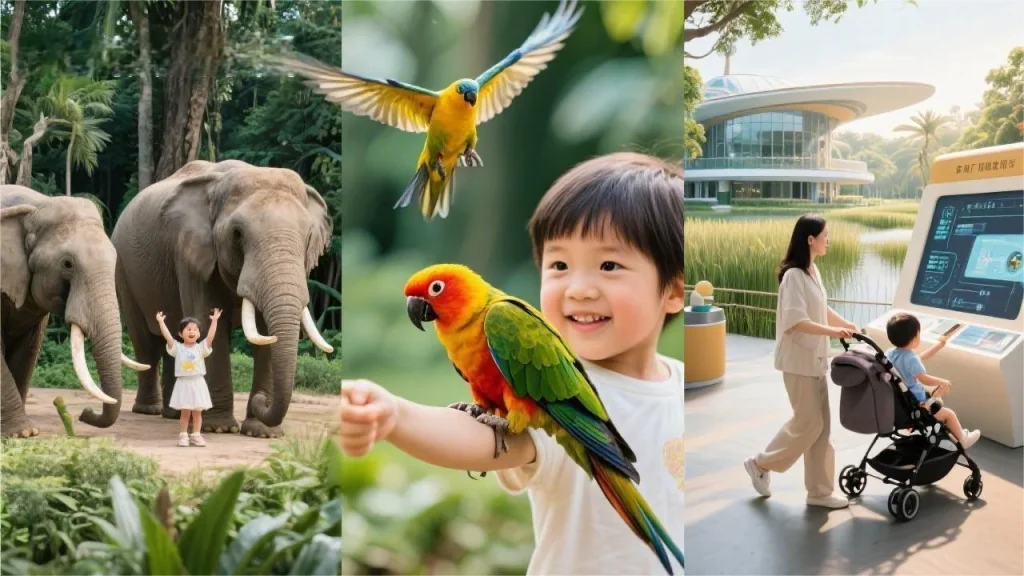
I treat the day at Chimelong Safari Park as the most tiring but most rewarding day of the trip. It’s not because the projects are complex, but because the park is massive, and children stay in a high state of excitement, burning energy fast. If adults don’t have a clear route in mind, two problems usually arise by noon: you haven’t finished what you wanted to see, and the child is no longer willing to walk. The biggest fear in this park isn’t the crowds, but a messy route that wastes physical energy.
When I visit such a large zoo, I value the three hours in the morning most. The child has just finished breakfast, their energy is full, they react to new things, and they are willing to ask questions. This time should be spent on the most memorable areas; don’t waste it on finding the way, taking too many photos, or hesitating on where to go first. Entering the park around 9:00 AM versus after 11:00 AM makes a significant difference. The former lets you set your own pace; the latter forces you to move with the crowds and struggle to find a seat.
If you stay in Panyu, taking a taxi in the morning is the most worry-free option. I don’t try to save on this transport cost on Day 2. Transferring on the subway, walking from the station, and setting up the stroller are actions that drain an adult’s patience before even entering the park. Especially after breakfast, the best thing is to get to the entrance quickly, organize your gear, and enter. Leaving the hotel around 8:30 AM usually keeps this rhythm intact.
| Time | Route | Suggested Arrangement |
|---|---|---|
| 08:00 | Hotel Breakfast | Eat well before leaving; don’t enter on an empty stomach |
| 08:30 | Depart Hotel | Prioritize taxi to reduce transfers |
| Around 09:00 | Arrive at Entrance | Organize water bottles, tissues, and stroller in advance |
| 09:00-11:30 | Key Animal Areas | Visit the areas the child is most excited about first |
| 11:30-12:30 | Lunch | Avoid the peak crowd after 12:00 for comfort |
| 12:30-13:30 | Rest | Find a shady spot or indoor area to relax |
| 13:30-16:30 | Remaining Areas/Shows | Focus on a slow pace without rushing |
| Around 17:00 | Return to Hotel | Children are usually quite tired by this time |
I let the child eat a normal breakfast and don’t rush it for the sake of time. A day at the zoo is different from a city walk; walking, stopping, getting excited, talking, and sun exposure are all very draining. If breakfast is too light, the child will start asking for snacks by 10:30 AM, and their attention will scatter. My habit is to ensure breakfast includes staples and hot food; even if simple, it’s better than relying solely on milk and bread.
Once at the gate, I don’t rush in but first double-check the items in the bag. Tissues, water bottles, sunscreen, spare clothes, snacks, and the stroller should be in easy-to-reach places. In a park like Chimelong, the real time-waster isn’t walking but being unable to find things when needed. Especially when a child is hot, thirsty, or sweaty, a parent being two minutes slow can cause a big mood swing. If the water bottle is buried at the bottom, the child might already be frustrated by the time you find it.
When I’m at Chimelong with kids, I organize the outing bag as a “high-frequency bag.” Water, tissues, and small snacks are at the front, spare clothes are on the side, and items not urgently needed are at the back. This way, every time we stop, I only need to unzip one pocket.
After entering, I don’t recommend stopping for lots of photos immediately or deciding on a route on the fly. A child’s sense of novelty is strongest upon entry. The more casual the parents are, the more scattered the route becomes. My approach is to visit the most desired areas first, especially those with animals the child can recognize and get excited about. Large animals, active animals, and group exhibits usually have the strongest pull for young children. Seeing these in the morning makes the child feel like they’ve “already seen a lot of cool things,” making a slower pace in the afternoon feel acceptable.
On Day 2, following a “key areas first, then logical path, then leftovers” structure makes things much easier. This logic is simple but practical. A child’s focus on animals usually lasts for the first two or three hours; after noon, even if there’s a lot left to see, their reaction time slows down. Chasing the route at that point yields low returns.
- Don’t rush to take photos upon entry; get the route sorted first
- If the child loves a specific area, stay 10 minutes longer, but don’t stay too long continuously
- Try to complete the most desired parts before 11:00 AM
- Avoid long backtracks before lunch
- Don’t aim to “see it all” in the afternoon; prioritize stable energy and mood
When walking with a child in such a place, I constantly remind myself: “no backtracking.” What looks like a short distance on the map is different when you’re pushing a stroller, carrying a bag, and managing a child’s stops. A single backtrack can easily eat up half an hour. Chimelong is best explored in a single forward line, connecting contents as they come. Even if an area is missed, unless the child really wants it, I won’t turn back for the sake of “completeness.” Pre-lunch energy should be saved for what truly matters.
Children at a zoo are different from those at a regular park; their excitement levels are much higher. Some kids who usually want a ride after 30 minutes of walking can walk quite a bit here, but that doesn’t mean their energy is fine. Often, they aren’t not tired, but are being sustained by the environment. Near noon, the issues surface: they speak sharply, stop drinking water voluntarily, get red faces, and don’t want to get up once seated. These are signals, not just “throwing a tantrum.” I usually remind them to drink water every 40 to 60 minutes without waiting for them to say they are thirsty. When it’s hot, a few sips and five minutes in the shade make a world of difference.
Once, I noticed before noon that my child stopped responding to me. When I asked if they wanted to see what was ahead, they just nodded but walked slower and slower. After stopping for water, changing into a dry shirt, and sitting for 10 minutes, their energy returned significantly. At the zoo, sometimes it’s not the itinerary that’s wrong, but that hydration and rest came too late.
For lunch, I don’t wait for the child to explicitly say they are hungry. Young children often forget to express themselves while playing, and by the time they say they’re hungry, they are already on the edge of an emotional breakdown. A safer bet is to start looking for a place to eat around 11:30 AM and sit down before noon. This has two benefits: the crowds haven’t peaked yet, and it leaves a complete block of rest time afterwards so you’re not rushing as soon as you finish.
My experience with lunch is also to keep it steady. Zoo dining isn’t the place for complex flavors; the focus is on quick service, hot staples for the child, and a quick energy recharge for the adults. If lunch drags too long, the quality of the afternoon itinerary drops. The problem for many families isn’t being unable to walk, but taking too long for lunch, causing the child to get bored and the adults to get anxious, leaving everyone tired before the meal is even over.
| Period | What I Focus On | Reasoning |
|---|---|---|
| Before Entry | Organize high-frequency items, hydrate | Rhythm picks up after entry; being prepared is steadier |
| Around 10:00 AM | Observe sweat, speech, and walking speed | Judge if it’s time for a short break in advance |
| Near Noon | Find lunch location early | Don’t wait for the child’s mood to drop |
| Hour After Lunch | Control the pace, no rushing | Let energy recover slowly; don’t hit 100% immediately |
I clearly treat the 12:30 PM to 1:30 PM window as a rest period, not “wasted time.” Sitting in a shady spot or relaxing in a comfortable area is more important than chasing another project. Whether the child is stable in the afternoon depends largely on whether this hour was given. Especially in hot weather, sweaty clothes and red faces should be handled now. Spare clothes are more useful now than in the morning or evening. A quick change makes a huge difference in comfort, making the child more willing to keep going.
For the afternoon, I don’t use the same tight rhythm as the morning. This time is better for catching missed popular areas, watching shows, or wandering based on the child’s interest. Simply put, the afternoon isn’t for “volume,” but for “closing the day smoothly.” If the child wants to see an animal again, I’m happy to stay; if they aren’t responding to the route, I won’t drag them to a far-off area. By 2:00 PM or 3:00 PM, energy and patience are declining. The biggest mistake adults make here is thinking, “we paid for the ticket, see as much as possible.” In family travel, this mindset usually makes the return journey ugly.
At Chimelong, rhythm management is more important than the route itself. Many people research popular animals and photo spots but forget that children don’t follow “strategies.” Children follow physical sensations: they slow down when hot, get annoyed when thirsty, and become uncooperative when sleepy. The key to the day isn’t just seeing animals, but keeping the child in a state of “able to see, willing to walk, and willing to respond.” As long as that state remains, the trip is a success.
I keep the lunch, rest, and return times quite steady. Find a seat around 11:30 AM, leave a full rest period, don’t rush the afternoon, and start heading for the exit around 4:30 PM. This departure time is more important than seeing one or two extra areas. After a day at the park, children might seem fine on the surface, but problems often arise once back at the hotel—uncooperative bathing, no appetite for dinner, or emotional outbursts before bed. Returning early and getting the shower, dinner, and rest back on track ensures Day 3 at Bird Park won’t start with exhaustion.
I usually control the departure time between 4:30 PM and 5:00 PM. This avoids getting back too late and leaves enough time for evening routines. I don’t arrange extra outings after returning; usually, it’s just a shower, fresh clothes, water, and a light snack before deciding whether to eat a simple dinner near the hotel. The truly important thing about the zoo day isn’t walking the park from start to finish, but ensuring the child isn’t completely drained by the end of it. Only then will the following days be relaxed.
| Time Slot | Suitable Rhythm | What I Do |
|---|---|---|
| 9:00 AM – 11:30 AM | Focus on keys, follow main line | Put most-wanted items first |
| Around Noon | Eat, sit, hydrate | Don’t delay or rush; stay steady |
| 1:30 PM – 4:30 PM | Slow wander, shows | No backtracking, don’t chase completeness |
| After 4:30 PM | Head for exit | Leave buffer for return and evening rest |
In terms of spending, the most worthwhile costs are the morning taxi and the lunch. The former buys a smooth start, and the latter buys a stable afternoon. As for miscellaneous small purchases in the park, I try to keep them under control because what a child truly needs is water, a place to sit, and food on time. In family itineraries, rhythm beats projects, and energy beats quantity. On Day 2 at Chimelong, if the morning route is right, lunch rest is sufficient, and you don’t push too hard in the afternoon, the experience will be very complete.
Day 3: Half-Day to Full-Day Arrangement for Bird Park
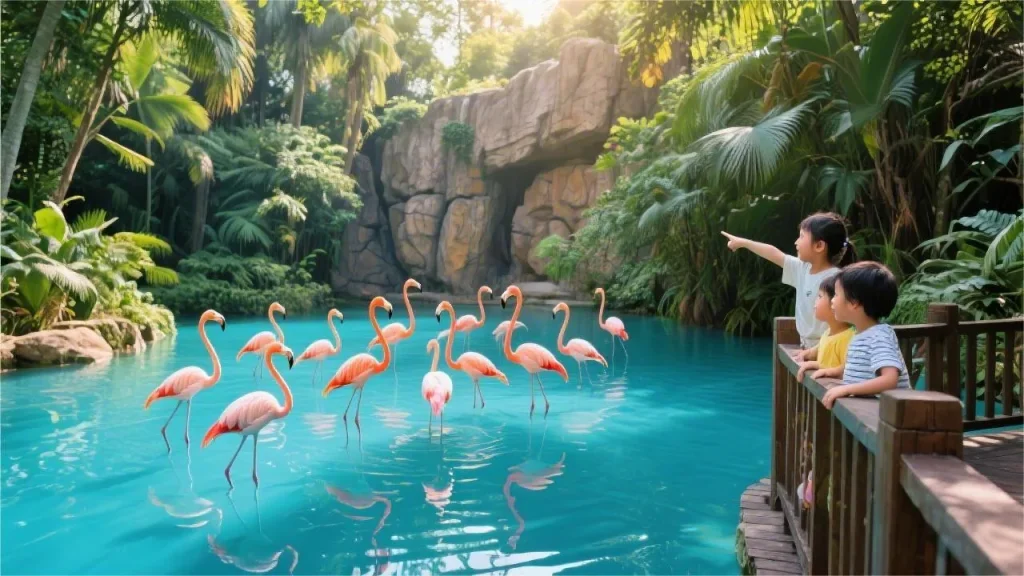
I usually treat the day at Bird Park as a “slowing down day.” After a long day at Chimelong Safari Park, the child will have some physical, emotional, and attentional fatigue, so Day 3 shouldn’t be about rushing in early and hurrying through. Bird Park is better suited for a slower pace. Its advantage isn’t just “fewer projects,” but that much of the content is easier for young children to understand without constant explanation, allowing them to follow their own interests.
When I take kids here, I notice a practical difference. Chimelong Safari Park is about “mapping a route and trading energy for content,” while Bird Park is more like “stopping and observing whenever the child reacts to something.” This place is very friendly to families with young children because parents don’t have to constantly rush, and the child isn’t overwhelmed by massive amounts of walking. If the previous day was tiring, Day 3 is perfect for slowing down breakfast and departure—no need to rush, but don’t wait until noon either.
For breakfast, I generally keep it simple, hot, and less oily. Although Day 3 isn’t as tiring as Day 2, Bird Park still involves walking, stopping, and sun exposure; an empty stomach won’t work, but too much oil is uncomfortable. My habit is to let the child eat staples first, then supplement with an egg or a hot drink, rather than relying on snacks. A steady breakfast means you won’t have to stop frequently for food in the morning, keeping the rhythm smooth.
| Time | Route | Description |
|---|---|---|
| 08:00 | Hotel Breakfast | Avoid oily food for easier movement |
| 09:00 | Depart Hotel | Relatively convenient from Panyu |
| Around 09:30 | Arrive at Bird Park | Temperature and crowds are more comfortable in the morning |
| 09:30-11:30 | Key Areas | Visit the bird areas the child is most interested in first |
| 11:30-12:30 | Lunch | Find a nearby spot; no backtracking |
| 12:30-14:30 | Relaxed Exploration | Focus on a slow wander to conserve energy |
| 15:00-16:30 | Return or Rest | Adjust based on the child’s state |
I still prefer taking a taxi from the hotel. The reason is similar to the previous day: it’s not that public transport is bad, but that the most valuable thing on Day 3 is saving the child’s energy for the park. Especially after the high walking volume at Chimelong, many kids seem fine when they wake up on Day 4, but fatigue sets in around 10:00 AM. Less struggle on the road makes for a noticeably easier time once inside.
Arriving at the park around 9:30 AM is ideal. Too early, and the child hasn’t fully warmed up after breakfast; too late, and the heat and crowds begin to rise. Much of the comfort at Bird Park comes from that unhurried, uncrowded morning window. For kids aged 3 to 6, their energy is best in the morning, and they react strongly to birds with bright colors, distinct movements, and proximity, making them willing to stop and watch with you.
On Day 3, when deciding the order for areas suitable for kids, I prioritize “reaction speed” over “map distance.” Young children have limited grasp of abstract knowledge; explaining bird classifications or migration routes might not resonate. But a bird with a distinct size, lots of movement, and vivid feathers will catch their eye immediately. This is why I don’t follow the map strictly at Bird Park but prefer to see areas where the child understands and reacts immediately.
- Go to areas the child understands immediately; don’t spend morning energy on heavy signage
- If the child is clearly interested, stay 10 to 15 minutes longer
- Follow a linear path; don’t backtrack to fill a map corner
- Don’t rush while watching birds; give the child time to observe
- See the memorable parts in the morning to keep the afternoon easy
A key difference between Bird Park and Chimelong is that Bird Park is better for “seeing details.” At Chimelong, kids are often excited by big animals, reacting quickly and moving on. At Bird Park, they might watch a single bird’s movements for a long time—walking, preening, eating, or calling. This “stop and watch” rhythm is very suitable for young children. Parents shouldn’t worry about “wasting the ticket by staying too long,” because the comfort here isn’t gained by rushing.
When I’m with kids at Bird Park, the most common scenario is them suddenly stopping to stare at a brightly colored, active bird. I don’t pull them away but stay and watch with them, perhaps adding a simple sentence based on what they see: “It’s grooming its feathers,” “It walks so fast,” or “It’s looking for food.” This interaction is more useful than a lecture, and it keeps the child engaged.
By mid-morning, I start observing details: Is their walking speed slowing? Do I have to remind them to drink water multiple times? Are they still willing to stop for interesting content? Although Bird Park is easier than Chimelong, it’s not effortless. In Guangzhou’s heat, an hour of outdoor walking still leads to sweat and red faces. I still remind them to drink water periodically, just less frequently than the day before. if they become quiet, slow to respond, or want the stroller constantly, the morning walk is essentially done.
For lunch, I’m more flexible than on Day 2, but the principle of not backtracking remains. Bird Park is for slow walking, and the same goes for lunch. Finding a nearby, logical spot is more important than choosing a “better” place that requires a long walk. Especially after two hours in the park, forcing a child to zig-zag through the crowds will tank their mood. I start looking for a place around 11:30 AM to sit down as early as possible.
Lunch doesn’t need to be complex; focus on staples the child likes and quick service. The difference on Day 3 is that whether to continue in the afternoon can be adjusted based on their state. During lunch, I judge their energy level—how steadily they sit, their willingness to walk after the meal, any signs of sleepiness, or increased water intake. these are more accurate than asking “are you tired?”
| Period | What I Usually Observe | How to Judge the Afternoon |
|---|---|---|
| Hour After Entry | Active watching/asking, willingness to walk | Judge if the morning pace is right |
| Near Noon | Face color, sweat, water frequency, speed | Judge if an early lunch is needed |
| After Lunch | Sleepiness, willingness to walk, stroller use | Judge whether to stay or leave early |
| After 2:00 PM | Interest in new areas | Decide the day’s finish time |
I don’t treat 12:30 PM to 2:30 PM as “content-chasing time” but as relaxed exploration. This isn’t about checking off missed map spots but following the child’s interest for a slow stroll. The ideal state for Day 3 is “the child isn’t annoyed, and the adults aren’t rushing.” If the child is still interested and walking steadily, stay; if they prefer sitting and staring with slow reactions, I start heading back.
Bird Park is better suited for “leaving blank space” than Chimelong. A loose schedule isn’t a waste; it’s how you get the most out of this place. If parents push too hard through morning, lunch, and afternoon, the natural relaxation of the park is lost. Especially since you went to Chimelong the day before, Day 3 is a recovery day; over-scheduling will leave the child out of patience for the Guangdong Science Center on Day 4.
I don’t set “must-see” goals for the afternoon at Bird Park. If the child is in good shape after lunch, we walk more; if they start clinging to the stroller, we head back early. This keeps the evening relaxed and the next morning unhurried.
The afternoon and evening of Day 3 are kept very simple. If the child is okay after lunch, we stay until around 3:00 PM; if they’re tired, we leave shortly after lunch. Returning early isn’t a loss; it takes care of the evening and the next day. Even though the Science Center is indoors, the interactive projects are still demanding for active kids.
After returning to the hotel, I don’t arrange extra attractions. The most practical thing is a shower, rest, a steady dinner nearby, and packing the bag for Day 4. After two days of parks, the parents are usually tired too. A dinner close to the hotel that allows for a quick return to the room is better for everyone.
- Dinner stays near the hotel; don’t travel far
- Handle showers and clothes first, then pack for Day 4
- Prepare a jacket for the AC at the Science Center in advance
- Check the stroller, battery levels, and water bottles at night
Day 3 costs are usually lower than Day 2. With a shorter route, impulsive spending drops. What truly impacts the experience isn’t the cost, but timing the return well. A common mistake on Day 3 is staying too long because “it’s not as tiring as yesterday,” only to have the child break down in the evening. Day 3 isn’t for testing endurance, but for re-stabilizing the rhythm.
At Bird Park, as long as you see the high-reaction areas in the morning, don’t backtrack for lunch, and leave on time in the afternoon, the experience is usually comfortable. There’s no need for a strong sense of mission; it’s better to let the child stop and watch while parents accompany them. Walking this way gives Day 3 a natural ease without missing out on the core experience.
Day 4: One-Day Arrangement for Guangdong Science Center
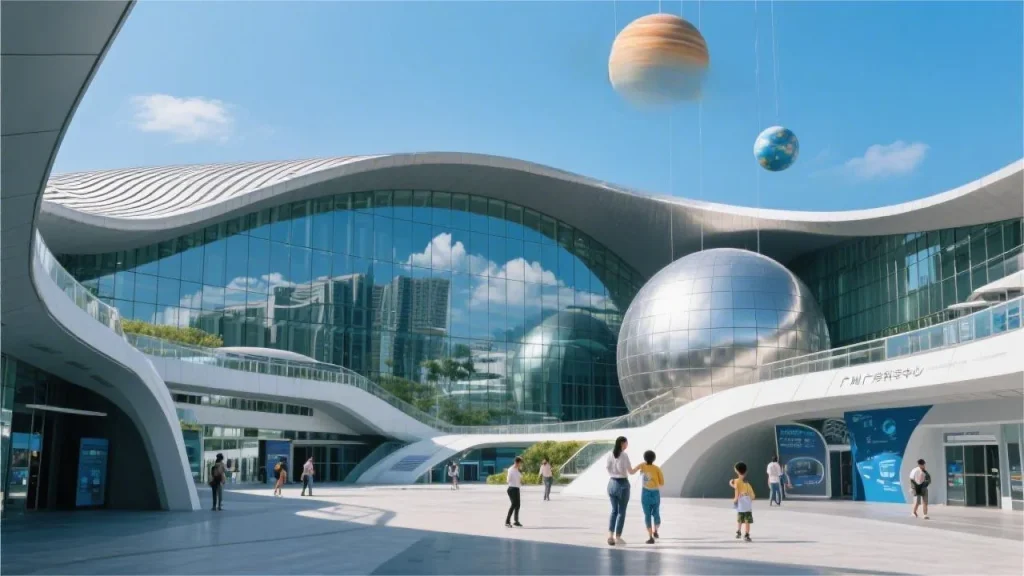
I treat this final day as a “Closing Day,” but not a casual one. It’s a completely different gameplay from the animal attractions of the previous days. Those were about watching and walking; Day 4 is about “selecting content.” There are many exhibition halls, and kids will be drawn to lights, sounds, gadgets, and buttons. Without a plan, you’ll end up wandering aimlessly and missing the parts truly suitable for their age.
My rule for the Science Center is: hands-on content first. Morning is when the child’s energy is highest, and they are most willing to try, touch, and repeat. Interactive exhibits offer the strongest sense of participation. After noon, energy and patience drop, making it harder to absorb text-heavy or lecture-style content. You don’t need to explain every scientific principle; for young kids, seeing a phenomenon and remembering a specific reaction is enough.
If you’re heading home today, the morning should be more organized but not rushed. Eat breakfast first, then decide whether to check out or store luggage based on your departure time. If leaving late at night, I prefer storing large bags and going to the Science Center light; if leaving in the afternoon, I keep travel clothes and documents separate to avoid rummaging through suitcases later. The biggest fear on Day 4 is a last-minute scramble before heading to the station/airport.
| Time | Route | Description |
|---|---|---|
| 08:00 | Breakfast, Check-out/Storage | Adjust based on departure time |
| 09:00 | Head to Science Center | Taxi recommended to save transfer time |
| 09:30-12:00 | Interactive Exhibition Halls | Focus on key areas while energy is high |
| 12:00-13:00 | Lunch and Rest | Indoor rest is vital for recovery |
| 13:00-15:30 | Continue Visit | Choose halls the child is interested in |
| 15:30-16:30 | Closing, Prepare Departure | Don’t drag it out too late |
| After 17:00 | To Station or Airport | Reserve enough travel time |
I still recommend taking a taxi. While not a full-day hike like Chimelong, the Science Center is mentally taxing for young children because of the sheer volume of information. Avoiding transfers and extra walking keeps their state better once inside. The last day isn’t for saving on transport, but for preserving energy for the trip home.
Inside, I don’t just go where it’s empty. I look for high-interaction areas with quick feedback. Buttons, levers, and gears that produce immediate changes are best for the morning when curiosity is peaked. I save parts that require long reading or complex explanations for later, or even skip them entirely.
I arrange the exhibition hall order based on participation, not map order. For young children, the logic is: start with “immediate play,” then transition to “requires a little understanding.” This helps the child get into the flow without exhausting the adult early on.
- Start with interactive gadgets (buttons, levers, wheels)
- Move to exhibits with obvious light, sound, or motion changes
- Visit areas with high physical participation and repeatability
- Save text-heavy halls for later, not the first hour
- Revisit a favorite exhibit in the afternoon if the child wants
I value participation over “how much they learned.” If a child plays with something three or four times, that’s where the real value is. Don’t force them to stay at something they ignore just because “we’re here.” A single favorite project is worth more than a dozen rushed ones.
I often stand back to see if the child wants a second go at a device. If they go back voluntarily, I know that area is effective. I don’t rush them but let them play a few rounds and add simple comments like: “If you turn it faster, the sound changes,” or “This time the lights lit up in a different order.” This is much easier for them to absorb than a lecture on physics.
Even though it’s indoors, the physical pressure can be high. Interactive areas mean repeated play, and parents have to wait, bend over, help, and explain. By 11:00 AM, the child might still be excited, but their movements get faster and their attention scatted. This is the time for water, a short seat, and moving toward the lunch area.
I make lunch a complete break rather than a rushed meal. The rest value here is high because the child is mentally tired from the information load. A steady indoor lunch helps the afternoon state immensely. I look for food around noon and don’t wait until 1:00 PM, otherwise the early afternoon will be a struggle.
Lunch should be steady and simple. Day 4 is about closing, not a fancy meal. If the child was very active in the morning, they will suddenly show fatigue at noon; speed of service and seat comfort are more important than flavor nuance. Let them eat staples and quick hot food first. Adults should eat well too, as you’ll be accompanying them through the afternoon and then the journey home.
| Period | What I Prioritize | Goal |
|---|---|---|
| First Hour | High-interaction, quick feedback | Build interest immediately |
| Late Morning | Maintain rhythm, no backtracking | Avoid sudden fatigue from over-excitement |
| Lunch | Indoor meal and rest | Ensure a stable afternoon state |
| Early Afternoon | Favorite or remaining interest halls | No need to be exhaustive |
| After 2:00 PM | Lower the pace, no new lines | Keep mood and energy stable for departure |
From 1:00 PM to 3:30 PM, I don’t try to open too many new routes. The child’s processing speed slows down after the morning’s energy use. Trying to finish every hall now is exhausting for everyone. I usually revisit one of the morning’s favorite types of content or just wander a single floor without jumping between halls.
After 2:00 PM, I actively lower the pace. This is crucial. Don’t fall into the “we’re already here, let’s push for more” trap. If the child is reacting slower to new things but wants to repeat something familiar, let them. Being in a “comfort zone” is better at this stage. Closing the trip smoothly is the priority.
In the afternoon, I often see kids ignore new exhibits but remember something from the morning and want to try it again. This shows they are choosing a rhythm they can control. At this point, I follow their lead to finish the day rather than starting anything new.
I prepare to leave between 3:30 PM and 4:30 PM, especially if catching a flight or train. Traveling within Guangzhou can be unpredictable during rush hour. Dragging a tired child through a long commute is the last thing you want. I end the visit early enough for bathroom breaks, hydration, and a change of clothes before the final leg of the trip.
A few tasks before leaving:
- Water and bathroom break before exiting the hall
- Double-check for hats, jackets, and water bottles
- Confirm the route to the hotel for luggage or to the station
- Keep documents and tickets in a handy place
- If the child is sleepy, don’t add any last-minute stops
The logic for the Science Center is: interactive first, then visual/auditory, and finally text-heavy. Don’t turn every project into a lesson; if they take away one phenomenon or one favorite interaction, that’s a success.
For this 4-day trip, I recommend staying in Panyu for the first 3 nights. The first two attractions are in this area, and staying close makes mornings much easier. A hotel isn’t just for sleep; it affects how easily you can shower, change, and put the kids to bed. Adding 40 to 60 minutes of commute every day wastes the child’s best energy on the road.
When choosing a family-friendly hotel, I look beyond price. While the rate matters, the experience depends on details: commute time to attractions, nearby dining, room size for luggage, shower stability, and AC noise. A child returning tired needs a smooth recovery environment; “inconvenient” details at the hotel will make things much harder.
| Location | Suitable Days | Pros | Notes |
|---|---|---|---|
| Near Panyu Area | Nights 1-3 | Convenient for Chimelong/Bird Park | Prices fluctuate during peak season |
| Near Science Center | Day 4 (if leaving late) | Better for the Science Center | Not good for the first two days |
Staying in Panyu for the first 3 nights is the steadiest plan. You won’t need to wake up too early for the parks, and you can get back quickly so the kids’ sleep isn’t delayed. I generally don’t recommend moving hotels for the last day unless your departure schedule is very specific. Packing, storing, and moving luggage for half a day’s benefit often costs more in effort than it saves in time.
I prefer packing the departure gear the night before, heading to the Science Center from Panyu in the morning, and leaving from there in the afternoon. Keeping the same hotel lets the child stay in a familiar environment for better sleep. Only consider a hotel move if leaving very late or staying an extra night in the city after Day 4.
For me, the usability of a room is more important than the decor. Can the stroller be stored by the door? Is there a place for laundry? Is the room stuffy after a shower? These small things define the experience when traveling with kids.
Nearby dining is also often overlooked. Being able to walk to a meal in 10 minutes when everyone is tired after a day at the park is a huge relief. I prioritize staying near steady, convenient eateries. This makes arrival, the return from the zoo, and the end of the trip much smoother for everyone.
Finally, check the hot water and AC. Guangzhou is warm, and kids need a bath immediately after playing. Unstable water or a noisy/direct AC will ruin sleep, and the quality of the next day’s travel depends entirely on the previous night’s rest. Good hotel sleep is the foundation for the entire 4-day itinerary.
Related Guides
- Guangzhou 5-Day Lakeside Cycling Tour | Bio Island Greenway + Haizhu Lake + Baiyun Lake Park, The Most Beautiful Two-Wheel Route Through Urban Water Systems
- Guangzhou 4-Day Music & Theater Tour | Xinghai Concert Hall + Guangzhou Opera House + Friendship Theatre, A Visual & Auditory Journey of Elegant Art and Supreme Acoustics
- Guangzhou 5-Day Temple Zen Journey | Night View of Dafo Temple + Haizhuang Temple + Nengren Temple, A Tranquil Blessing Trip in a Bustling Metropolis
- 5-Day Lingnan Private Garden Tour in Guangzhou | Yuyin Shanfang + Baomo Garden, Immersively Experience Cantonese Carved Beams and Painted Rafters
- 5-Day Historical Tour of Guangzhou | Museum of the Nanyue King + Sun Yat-sen Memorial Hall + Peasant Movement Institute, A Millennium-Old Pilgrimage to Yangcheng’s Historic Sites






