



Day 1: Arrival in Lhasa (14:00-20:00) Adapting to High Altitude, First Glimpse of Potala Palace
Arriving at Gonggar Airport at 2 PM, I headed straight to the car rental point at the exit to rent a portable oxygen cylinder in advance (available at both airport shops; I chose one with a pressure gauge for ¥40/can, which is 5 yuan more expensive than in the city but saves the trip). As I stepped out of the terminal, the wind whipped fine sand against my face, so I quickly pulled up the collar of my hard-shell jacket—the plateau sun looks weak, but the UV rays are truly intense. During the 1-hour airport bus ride to the city terminal (near Potala Palace), the lady in the next seat was using nasal oxygen; I felt okay, just some ear pressure, which I relieved by chewing gum.
When checking into the Tibetan-style guesthouse on Beijing Middle Road, the receptionist specifically reminded me that “oxygen-supplied rooms are prioritized.” I chose a south-facing room on the second floor (¥260/night), where I could see the golden peaks of the Potala Palace from the window. I didn’t rush to unpack, following the experience that the first day is for letting the body slowly adapt to the altitude: avoid running or jumping, speak slowly, and even sip water in small gulps.
For dinner, I went to “Snowland Restaurant” in an alley recommended by the guesthouse owner. The storefront was so small I almost missed it, but inside it was warm with Tibetan decor. I ordered the Tibetan Beef Pancake (¥8/piece); the crust was toasted crisp, and the inside was filled with minced yak meat mixed with onions, the juices carrying a hint of milky fragrance. I wasn’t used to the salty butter tea at first, but found it palatable after adding a small spoonful of sugar; drinking it warmed me from my stomach to my fingertips.
After 6 PM, I walked to the Potala Palace Square, a 15-minute stroll along Yutuo Road. Chakpori Hill Viewing Platform is on the west side of the square and is free to the public. I brought a lightweight tripod for my phone and used the telephoto lens to aim at the front of the Potala Palace—it looks exactly like the back of the 50 RMB note, but in person, the wall colors are richer. When the setting sun hits the golden roof, the reflection is dazzling, so you have to squint to adjust the parameters. An old local man holding a DSLR was teaching tourists how to compose shots nearby, saying, “Stand on the third step, keep the lens low to frame both the Red Hill and the Potala Palace,” which indeed created more depth than standing straight.
Regarding altitude sickness management, I didn’t have significant headaches, but I prepared Ibuprofen sustained-release capsules (taking half a pill if a headache occurred) as a precaution before bed. The guesthouse owner strictly warned, “Do not wash your hair or bathe on the first night,” explaining that dilated capillaries can easily trigger altitude sickness, so I obediently wiped my face and feet with a wet towel. Lying in bed, I counted my breaths; my resting heart rate was about 85 bpm (usually around 70), which felt stable, though my back felt a bit stiff after lying down for a while, so I rolled over and continued to adapt.
|
Item
|
Details
|
|---|---|
|
Transportation
|
Airport bus directly to the city near Potala Palace (¥30/person, 1 hour). Last bus at 20:30; if missed, you can share a taxi (¥150/car).
|
|
Accommodation
|
Tibetan guesthouse on Beijing Middle Road with oxygen rooms for ¥200-300/night. Prioritize lower floors (climbing consumes oxygen); south-facing rooms offer better views of Potala Palace.
|
|
Adaptation Tips
|
If resting heart rate > 100 bpm or blood oxygen < 90%, oxygen is needed. I prepared a fingertip pulse oximeter (¥50 online) to check anytime.
|
|
Food Record
|
Snowland Restaurant’s Tibetan Beef Pancake (¥8/piece) is crispy outside and tender inside. Salty butter tea pairs well with the pancake; average cost of ¥35 per person is filling.
|
|
Attractions
|
Chakpori Hill Viewing Platform is free, a 15-minute walk away. Use telephoto for Potala Palace; avoid afternoon backlight (side light after 16:00 is better).
|
I didn’t sleep deeply that night, half-hearing the sound of prayer wheels outside like a distant hum. Waking up the next morning, my head didn’t hurt and my blood oxygen was at 92%. I knew this first step was a success—on a plateau trip, if the beginning goes smoothly, you can enjoy the rest more freely.
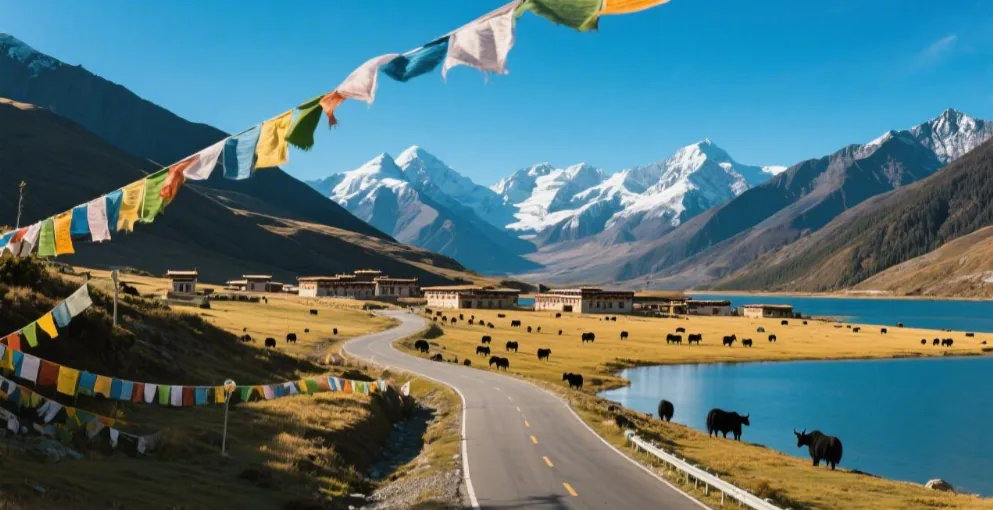
Day 2: Lhasa City (8:30-18:00) Slow Walk through Potala Palace, Jokhang Temple, and Barkhor Street
I headed out punctually at 8:30 AM to fully explore the “Holy Trinity” of Lhasa city. I had set an alarm at 7 PM the night before to book tickets 7 days in advance via the “Potala Palace Ticket Reservation System” WeChat mini-program (¥200/person). I chose the 9 AM morning slot—as it turns out, morning visits are easier as there are fewer crowds and the light is great for photos. After entering, I followed the signs straight to the White Palace; the Tang Dynasty bracket (dougong) structure in the East Sunlight Hall was a highlight, with wooden mortise and tenon joints so tight they didn’t use a single nail. Although the colorful paintings on the beams had faded, they still showed the clean lines of the Tang Dynasty. I touched the wood grain, feeling the cool temperature left by the ages.
- Kora Route: Took a taxi from Potala Palace to Jokhang Temple (¥15), where locals had already begun their circumambulation in the square. I walked clockwise three times and borrowed a prayer wheel from a nearby elderly woman (she smiled and said it was free), watching the pilgrims perform prostrations—palms touch the ground first, then the forehead in the center of the palms, knees hitting the floor before standing up. The stone floor had shallow indentations worn down by years of prostration, a focus so intense it felt wrong to disturb.
- Avoiding Markups in Barkhor Street: After the Kora, I browsed the main Barkhor Street where yak jerky was priced at ¥180/jin. Remembering the guide, I walked 200 meters north into the Tromzikhang Market (an open-air market hidden among residential buildings). I found a stall with a “Home-dried” sign and bought two jin for ¥120/jin—the meat was firm and chewy, exactly 30% cheaper than the main street. The owner said, “Main street rent is expensive; we sell here without the hidden costs.”
- Lunch Recommendation: “Tiancun Sour Soup Hotpot”: Walking from Tromzikhang to the corner of Yutuo Road, this small place had a long queue. I ordered the Tomato Yak Bone Broth Base (it arrived bubbling with a perfect tang), and fresh-cut yak meat slices (¥38/plate) that cooked in ten seconds. Dipped in chili powder and scallions, it was a filling meal for ¥60 per person. A Tibetan man at the next table even handed me a piece of his own dried milk curd to try.
I encountered a small hiccup during booking; the mini-program lagged three times the moment it opened, but I succeeded after switching to mobile data. During the Potala Palace tour, I met an old guide who said the East Sunlight Hall used to be where the Dalai Lama worked in the morning, and the bracket structure is earthquake-resistant—wisdom from centuries ago still working today. While circumambulating, a little girl in a Tibetan robe taught me the direction to spin the prayer wheel, saying, “Clockwise is following the sun; just keep good intentions in your heart.”
|
Item
|
Details
|
Cost/Tips
|
|---|---|---|
|
Potala Reservation
|
Book tickets 7 days in advance via WeChat “Potala Palace Ticket Reservation System”; 9 AM morning slot has fewer people. Focus on the Tang Dynasty bracket structure in East Sunlight Hall (mortise/tenon no nails, Tang style paintings).
|
¥200/person, set alarm to book, bring ID for verification.
|
|
Kora Experience
|
Circumambulate clockwise three times in front of Jokhang Temple with a prayer wheel; observe pilgrims’ prostrations (palm-forehead-knee sequence, indentations on stones).
|
Free; stay quiet and don’t disturb; can borrow prayer wheels from locals.
|
|
Barkhor Shopping
|
Buy yak jerky at Tromzikhang Market (North Barkhor residential area) for ¥120/jin, 30% cheaper than main street; choose “Home-dried” stalls, check meat texture for starch.
|
Avoid price hikes: stay away from main street shops, stick to market stalls.
|
|
Lunch Recommendation
|
“Tiancun Sour Soup Hotpot” (Yutuo Road corner), Tomato Yak Bone Broth with fresh-cut yak meat slices (freshly cut, not frozen).
|
¥60 per person, refillable broth, comes with Tibetan pickled radish to cut the grease.
|
Around 5 PM, walking back from Barkhor Street, I passed a shop selling handmade incense and smelled the pine smoke, reminding me of the morning chants. This day wasn’t rushed; the woodwork of the Potala, the piety at Jokhang, and the vibrant life of Barkhor were all etched into my mind like slow-motion scenes—the soul of Lhasa must be savored this way.
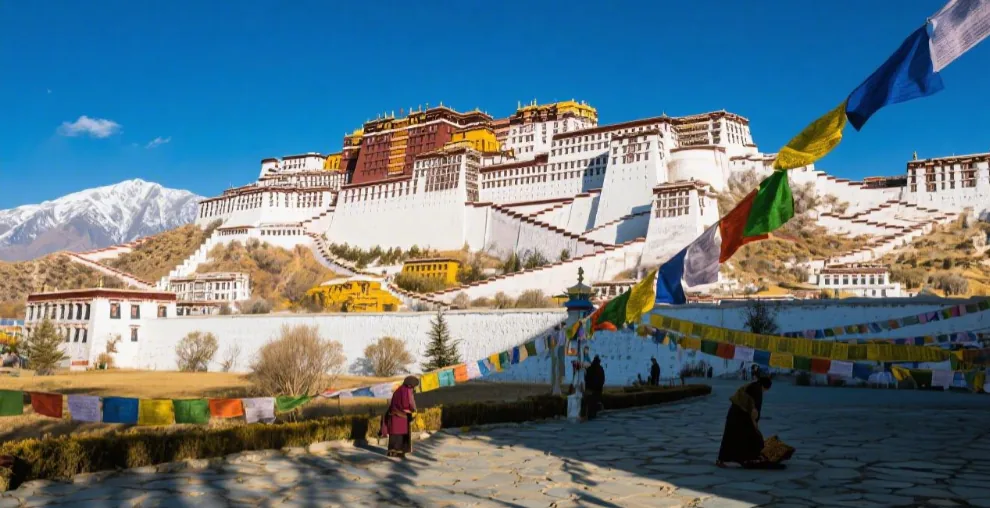
Day 3: Lhasa → Yamdrok Lake → Shigatse (8:00-16:00) Seeing Blue by the Lake, Overnight in the City of Tsang
At 8:00 AM sharp, Master Tashi, my driver, was waiting for me near Potala Palace—I chose a 5-seater SUV (¥800/day, including fuel and tolls), and my camera bag and tripod fit perfectly in the trunk. Leaving the city via the Yaye Expressway, for the first half hour we could see the highland barley fields in the Lhasa River Valley. After crossing the Chushul Bridge, we started climbing, and the mountains outside the window gradually revealed grey-brown rock layers while the air grew drier.
Around 9:30 AM, we reached Gampala Pass (elevation 4998m). The wind was strong enough to blow your hat off, so I hurried out and held the car door. The Yamdrok Lake viewing platform is right at this pass; there are no extra railings, so you stand on bare rocks overlooking the lake—at that moment, the water looked like a giant Tiffany blue sapphire, sparkling in the sunlight. Following advice, I looked for a front-lit position: walking 50 meters toward Nakartse County on the west bank to avoid the shadows at the pass, the water color transitioned from light blue to deep indigo, like a spilled palette.
- When shooting, avoid the 10:00-14:00 tour group peak. I arrived before 10 AM, and there were only two herders tending sheep by the lake. An Ajia (sister) in a Tibetan robe holding a lamb didn’t shy away when I took photos; instead, she guided the lamb toward the lens, saying, “It looks better this way.”
- If you want a private sheep herding scene, don’t wait at the parking lot; drive 2 kilometers east along the dirt road by the shore (SUV can pass) to a shallow beach where you can get close to the water and watch the sheep graze, their hooves leaving small pits in the damp meadow.
- Master Tashi warned, “Don’t stand too long in the strong wind at the pass.” I spent twenty minutes filming and returned to the car to sip glucose water (a small habit to prevent altitude sickness).
At noon, I had a simple bowl of Tibetan noodles in Nakartse County (¥15, with yak meat cubes in the soup), and at 2 PM, we set off for Shigatse. We took National Highway 349; the road was smoother than expected, and we saw flocks of black-necked cranes flying over the wetlands. We reached Shigatse city at 4:30 PM and stayed at Phuntsok Kangsang View Hotel (¥350/night). At check-in, the receptionist said, “The rooftop bar opens at six; you can see the sunset on the golden roof of Tashilhunpo Monastery.”
I dropped my bags and went straight to the rooftop—the view was indeed wide. The golden roof of Tashilhunpo Monastery glowed warm in the sunset, with the peaks of the Himalayas peeking out in the distance. I ordered a sweet tea (¥25) and sat watching monks in their dark red robes fluttering in the wind. The room had underfloor heating (¥350 including breakfast) and was cleaner than expected, with a window facing a small path lined with Gesang flowers. I fell asleep to the sound of distant prayer wheels.
|
Item
|
Details
|
Cost/Tips
|
|---|---|---|
|
Transportation
|
Chartered 5-seater SUV (¥800/day). Master Tashi is familiar with the route (Tel: 138xxxxxxx). Yaye Expressway + National Highway 349, approx 280km, 6 hours drive.
|
Includes fuel and tolls; prepare motion sickness medicine (many mountain bends).
|
|
Yamdrok View
|
Gampala Pass (elevation 4998m). Front-lit spot is toward Nakartse on the west bank (lake appears Tiffany blue). Avoid 10:00-14:00 tour groups; drive 2km east on dirt road for sheep scenes.
|
Free viewing platform; windy, wear a hat; prepare glucose water for altitude.
|
|
Photography
|
Use telephoto for lake ripples (accentuates blue); include herders/sheep for livelihood shots. Light is softest 1 hour before sunset (around 18:00).
|
Use tripod for timelapses to avoid shakes.
|
|
Shigatse Stay
|
Phuntsok Kangsang View Hotel (¥350/night). Rooftop bar faces Tashilhunpo golden roof (opens after 18:00). Rooms have floor heating; windows face flower path.
|
Includes breakfast (tsampa + sweet tea). Book street-facing rooms for views.
|
In the evening at the bar, I met a photographer based in Shigatse. He said the blue of Yamdrok Lake changes with the weather—grey-blue on cloudy days, Tiffany blue on sunny days. I was lucky this time. Back in the room, I touched the radiator; the warmth rising from the floor made me feel comfortable, thinking about visiting Tashilhunpo Monastery tomorrow. The pace of this Tsang city is different from Lhasa; even the wind carries the scent of temple incense.
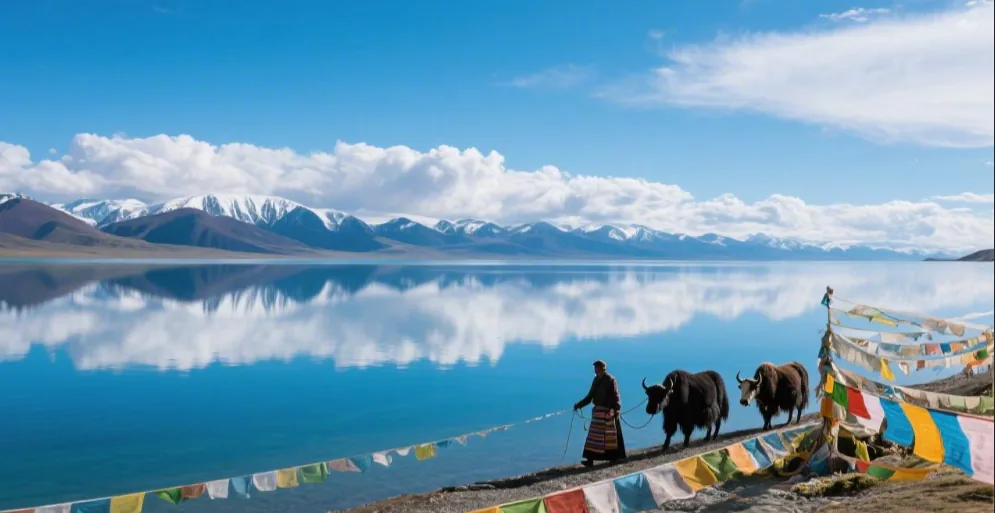
Day 4: Shigatse → Tashilhunpo Monastery → Tingri (9:00-17:00) Ancient Temple Visit, Heading Toward Everest
At 9:00 AM, Master Tashi parked at the hotel entrance, and I took my camera bag straight to Tashilhunpo Monastery—the largest temple in Rear Tibet, located in northwest Shigatse city. Tickets are ¥100 (scan QR code at the gate; half price with student ID). Before entering, I found an official guide (¥50/time, register at the service desk), a young monk in dark red robes with fluent Mandarin, who said, “The story of Jampa Buddha must be listened to slowly.”
I followed the guide through the circumambulation corridor of the Coqin Hall, where sunlight leaked from the skylight onto the murals, the mineral pigments sparkling. Jampa Buddha Hall is in the west district; opening the door, I saw the 26-meter tall copper Buddha cast over 4 years—higher than two storeys. The copper walls were thick enough to feel the casting seams, and the patterns on the robe were engraved with interlocking lotus. The guide said, “12 tons of copper were used, 32 craftsmen worked in shifts, and silver juice was poured into the seams to prevent cracking.” I looked closely at the base and indeed saw faint silver traces. The skylight at the top was perfectly aligned with the Buddha’s head; when the slanted light hit, the downward gaze appeared incredibly serene, as if watching the clouds outside.
- Don’t just visit the main halls; the Stupa Hall of the Panchen Lama on the east side is worth seeing (extra ¥60); the stupa is encrusted with Dzi beads and turquoise, dazzling in the sun.
- The guide reminded me, “Photography of Buddha faces is prohibited inside.” I used a telephoto lens to capture the caisson ceiling (painted with the Six-Syllable Mantra, colors more vibrant than the exterior).
At 1:00 PM, we set off for Tingri, heading southwest on National Highway 318. When passing the 5000km monument of G318, Master Tashi stopped specifically—the monument stands by a tributary of the Yarlung Tsangpo River. The red “5000KM” paint was slightly faded by the wind, set against grey-blue mountains. I climbed a small hill behind the monument to take a wide-angle shot of the monument, the river, and the Tibetan village across; the frame included school kids chasing a dog, which was much more vivid than just the monument.
At 3:30 PM, we reached Tingri county and stayed at “Everest View Guesthouse” (¥220/night), with windows facing the Himalayan foothills. After dropping my bags, I went to Snow Lotus Restaurant, with a blue cloth curtain. Inside was a warm Tibetan living room with dried yak dung cakes piled in the corner for fuel. I ordered Potato Buns (¥2/piece); the skin was steamed yeast dough, soft and non-sticky, and the filling was mashed potatoes mixed with chopped onions and a bit of butter, giving a faint onion scent. The Sweet Tea (¥5/pot) had a perfect balance of salt and sweetness. The owner, a plump Ajia, said, “Buns are made fresh daily; potatoes are grown on the back mountain without chemical fertilizers.”
Before leaving, Master Tashi took out his tools to check the spare tire pressure—with many gravel mountain roads, he pumped the pressure to 2.5 bar (normally 2.2 bar), saying, “If we get a puncture, the spare needs to withstand the bumps.” I watched him screw the valve core and asked, “Is the road to Everest difficult tomorrow?” He laughed, “After Gyatso La Pass, it’s all washboard roads; it’s fine if you drive slowly.”
That day at Tashilhunpo, I met an auntie from Shanghai who said she comes every year to worship Jampa Buddha, saying, “This Buddha just brings peace of mind.” While taking photos at the monument, a Tibetan uncle helped me adjust the camera angle, saying, “Standing here lets you capture both the river and the monument.” These small things made me feel that the meaning of travel isn’t just the scenery, but the warmth between people.
| Item | Details | Cost/Tips |
|---|---|---|
| Tashilhunpo Visit | Ticket ¥100 (scan code), hire official guide (¥50/time). Focus on Jampa Buddha copper casting (26m tall, 4 years to make, 12 tons copper, silver juice seams, lotus engravings). | No photos of Buddha faces; visit Panchen Stupa Hall (¥60) to see jeweled stupas. |
| Roadside Stop | G318 5000KM Monument (by the river). Climb the hill behind for a wide-angle shot of the monument, river, and village together. | Free; avoid truck peak hours (11-13:00); shots with people are more vivid. |
| Tingri Food | Snow Lotus Restaurant (blue curtain). Potato Buns (¥2/piece) (yeast skin + potato/onion filling) with Sweet Tea (¥5/pot). | Buns are handmade; local chemical-free potatoes; owner is very friendly. |
| Vehicle Prep | Check spare tire pressure (pump to 2.5 bar for gravel roads); Master Tashi handles this. Expect washboard roads after Gyatso La; drive slowly. | Keep spare pressure higher; speed ≤ 40km/h on bumpy sections. |
| Accommodation | Tingri “Everest View Guesthouse” (¥220/night). Windows face Himalayas; yak dung heating; quiet and clean. | Ensuite bathroom; book window rooms for mountain views. |
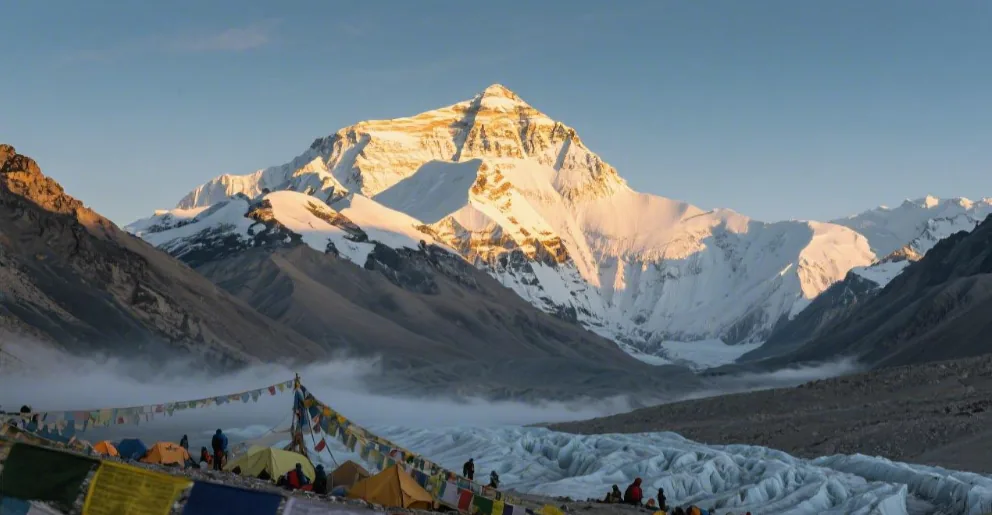
Day 5: Tingri → Everest Base Camp (7:00-12:00) Climbing the Viewing Platform for the Roof of the World, Night at the Camp
At 7:00 AM, Master Tashi’s car was already started, the engine sound clear in the cold Tingri air. We are heading to Everest Base Camp today, and vehicles must be equipped with anti-skid chains—they can be rented at the park entrance (¥50/set; iron chains are more durable). Master Tashi skillfully fitted four chains to the tires while tightening bolts, saying, “It just snowed on the mountain; washboard roads are dangerous if they freeze.” Leaving the county on G318, it was smooth asphalt at first, but after Gyatso La Pass (5248m), the road turned into gravel washboard, the car shaking like a sieve. I gripped the handle, watching the snow mountains draw closer.
At 9:30 AM, we reached the Rongbuk Monastery Viewing Platform, 8km from Base Camp, at an elevation of 4980m. The platform is a gravel patch with no railings; the wind was strong enough to knock you over. Arriving before sunrise to secure a spot is key—I arrived at 8:50 AM and took a flat rock on the east side. At dawn, the Everest peak was still in shadow, with only the flag clouds fluttering at the summit like a white silk ribbon. To shoot the flag cloud dynamics, use Shutter Priority mode (1/500s or faster). I watched the camera as the flag cloud drifted from left to right, changing from a thin strip to a fan shape, occasionally scattered by wind and regrouping, like the mountain was breathing.
- By the viewing platform, there are herders’ tents selling hot drinks (butter tea ¥10/cup). I bought a cup to warm my hands and asked the Ajia, “When is the flag cloud most beautiful?” She said, “Half an hour after sunrise, the sun turns the cloud edges gold.”
- For a panorama, don’t just shoot the peak; include the red walls of Rongbuk Monastery and the prayer flags (frame from the west side of the platform) to add depth.
- Master Tashi reminded me “not to run.” I stood filming for half an hour, and my blood oxygen dropped to 88%, so I quickly took a puff of portable oxygen (half a can left from the day before).
At noon, we reached the Base Camp. Tent hotel bunk beds are ¥150/bed (including breakfast and dinner). When choosing a tent, I specifically checked the mattress (not damp) and made sure there was an electric blanket—I asked the owner, “Does the blanket heat up fast?” He demonstrated the switch, and it was warm within two minutes. The tent had eight single beds; a guy from Guangdong staying there said he came once without an electric blanket and couldn’t sleep all night from the cold. Dinner was highland barley porridge with yak jerky (hard as a rock); breakfast was sweet tea and boiled eggs—simple but filling.
At 10 PM, the wind died down, and I stepped out of the tent in my down jacket to stargaze. Use the Star Walk 2 APP to locate the Big Dipper at night—open the app and point it at the sky, and it instantly marks the constellation. The Milky Way was like a pale white gauze across the sky, with Everest’s peak a faint black shadow under the starlight. A man in the next tent taught me how to shoot star trails with my phone (set to 30s long exposure, ISO 3200); when checking the photos later, there were indeed several arcs.
- A Tibetan guide at the viewing platform said flag clouds drifting southeast predict sunny weather, while northwest means it might change. In the tent, I shared half a chocolate bar with the Guangdong guy, who said he’d bring belly-warming pads next time. These tiny interactions bring warmth to the cold foot of the mountain.
|
Item
|
Details
|
Cost/Tips
|
|---|---|---|
|
Transport Prep
|
Must use anti-skid chains (rent at gate for ¥50/set; iron is better). Drive G318 + washboard road; slow down to 30km/h after Gyatso La Pass (5248m).
|
Prepare motion sickness meds; grip handles on bumpy sections.
|
|
Viewing Platform
|
Rongbuk Monastery Platform (8km from camp, 4980m). Arrive before sunrise for a spot (east flat rocks are best). Shoot flag clouds with Shutter Priority (1/500s+); gold edges appear 30 mins after sunrise.
|
Free; wear goggles in wind; use portable oxygen if blood oxygen < 90%.
|
|
Accommodation
|
Tent bunk ¥150/bed (incl. meals). Choose dry mattress; ensure electric blanket works (warms in 2 mins). 8 people per tent. Simple meals.
|
Tip: Feel mattress for dampness; check electric blanket wattage to avoid tripping breakers.
|
|
Stargazing
|
Locate Big Dipper with Star Walk 2 APP; use long exposure for star trails (30s/ISO 3200). Milky Way is visible as a pale band.
|
Bring tripod for phone; 2-4 AM is best for stars.
|
|
Food Record
|
Butter tea ¥10/cup at herder tent. Camp dinner: thick barley porridge and chewy yak jerky.
|
Soak yak jerky in sweet tea to soften; bring snacks for energy.
|
Back in the tent, I felt the residual warmth of the electric blanket. Knowing I’d leave Everest tomorrow, I felt a bit reluctant—the flag clouds of the roof of the world, the Milky Way, and the warmth in the tent will stay with me for a long time.
Day 6: Everest Base Camp → Shigatse (8:00-15:00) Farewell to Everest, Rest in Shigatse
At 8:00 AM sharp, Master Tashi pulled back the tent flap and called for departure. After freezing in the Everest camp last night, I turned the car heater to maximum as soon as I got in—the return focus is Gawu La Pass, we need to get there while the light is good. Same 5-seater SUV; the anti-skid chains were removed and stowed. Tashi said, “Fewer washboard roads downhill, but sharp bends; grip the handle.” Starting from Base Camp on G318, we went through gravel slopes, smoothed out after the checkpoint, and altitude dropped from 5200m; the ear pressure eased.
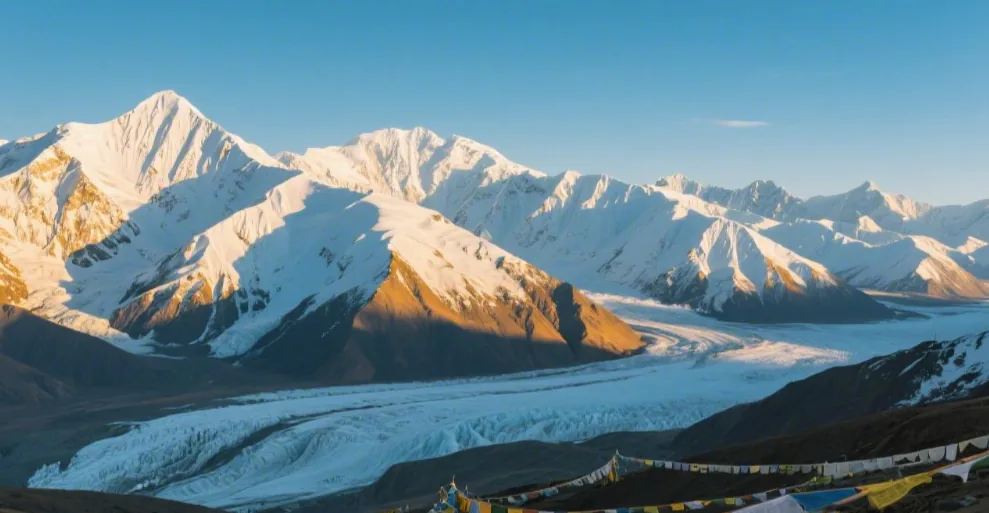
At 10:20 AM, we reached Gawu La Pass (5198m). Master Tashi stopped specifically, saying, “Only 5 minutes, take photos quickly.” The wind was strong enough to blow a scarf like a flag. I bundled up and got out, and the view opened up—five 8000m-level snow peaks in one frame! In the center was Mt. Everest (8848m), peak covered in last night’s snow; to the left were Makalu (8463m, pyramid peak) and Lhotse (8516m, cold white mountain); to the right were the peaks of Cho Oyu (8201m) and Shishapangma (8012m), like five ice swords piercing the blue sky. Use phone wide-angle for the panorama (don’t use telephoto which compresses space); I crouched by a sharp rock on the right side, using prayer flags as the foreground. The peaks filled the upper half perfectly; I lowered exposure compensation to handle the dazzling sun reflections.
- Master Tashi pointed to Lhotse, saying, “It’s closest to Everest, only 3km away, like brothers standing together.” I looked and saw their glaciers merging into one white expanse.
- Met a guy from Northeast China with a camera who taught me: “Don’t shoot snow peaks against the light; wait until the sun moves to the right of the peak.” It really made the textures clearer.
- Back in the car in 5 mins. Tashi said, “Any later and clouds would drift over, hiding everything.”
At 12:30 PM, I had a quick bowl of Tibetan noodles in Lhatse County (¥18). We arrived in Shigatse at 3:00 PM. As planned, I stayed at Phuntsok Kangsang View Hotel again (¥350/night, incl. breakfast). After dropping my bags, I went to Tromzikhang Market to buy Tibetan Incense—on the second floor, there’s “Minba Incense Shop.” The Tibetan owner recommended “Yu Minba” brand (ancestral recipe using 21 herbs like cypress, saffron, and nard). I bought a “Lucky Eight” tube (¥80/30 sticks); the smell was pine smoke with a faint herbal scent, not harsh. The guy said, “This sells near Jokhang in Lhasa too, but ¥20 more; we get it straight from the factory.”
In the afternoon, I went to Zongsa Tibetan Medicine Hospital (No. 23 Shandong South Road) to experience Tibetan pulse reading (¥30/time). The hospital is a three-story building; the receptionist said, “No appointment needed, go to the second floor.” An old Tibetan doctor with coarse but strong fingers took my pulse for three minutes on each wrist, closed his eyes, and said, “You’ve been running too much on the plateau; your ‘heart fire’ is high, and your tongue is a bit yellow (he glanced at it). Drink chrysanthemum tea for three days and don’t stay up late.” He wrote a note: “Avoid spicy food, drink more warm water.” No upsell, just the ¥30 fee.
In the evening, I had sweet tea at the hotel rooftop bar, watching the lights of Tashilhunpo Monastery come on. The pace here is earthy, with the smell of markets and herbs. It feels grounded.
|
Item
|
Details
|
Cost/Tips
|
|---|---|---|
|
Return Transport
|
8:00 start from Everest. 5-seater SUV. G318 return route. Arrive Shigatse 15:00 (approx 360km, 7 hours).
|
Motion sickness meds; speed 40km/h downhill; ID check at stations.
|
|
Gawu La Pass
|
5198m, 5 mins stop. Five 8000m peaks visible. Use wide-angle with flags as foreground; wait for side light for textures.
|
Free; goggles for wind; 10:00-11:00 is best light with fewer clouds.
|
|
Shigatse Stay
|
Phuntsok Kangsang View Hotel (¥350/night). Rooftop bar for night views; incl. breakfast (tsampa + sweet tea).
|
Warm heating; street-facing rooms have views.
|
|
Incense Purchase
|
Tromzikhang Market 2F “Minba Incense Shop.” Recommend “Yu Minba” brand (21 herbs, pine + herbal scent). ¥80/tube.
|
Avoid fake chemical incense on streets; look for the “Yu Minba” anti-counterfeit label.
|
|
Tibetan Medicine
|
Zongsa Hospital (23 Shandong South Rd). Pulse reading ¥30/time. Diagnosis: “High heart fire” (recommends tea/rest). No upsell.
|
Bring ID; follow dietary advice (no spicy food).
|
|
Food Record
|
Lhatse Tibetan noodles (¥18); hotel rooftop sweet tea (¥25/pot) with pickled radish.
|
Noodle soup is refillable; tea saltiness is adjustable.
|
Leaving Gawu La, I looked back at the five peaks shrinking into silhouettes. This day of farewell and rest was a relief—Everest is in the camera, and Shigatse’s life is in the incense and tea. Good.
Day 7: Shigatse → Namtso → Damxung (8:00-18:00) Watching Clouds by the Holy Lake, Overnight in Damxung
At 8:00 AM, Master Tashi’s car was at the hotel, the back loaded with my incense and chrysanthemum tea. We are taking S304 to Namtso today, approx 380km, 8 hours drive. First half is river valley; after Ngamring it climbs, altitude rising from 3800m to 4700m, scenery changing from barley fields to barren hills. Tashi said, “Namtso is windy; zip up your jacket.” I did, but still felt the chill.
At 12:30 PM, we had a meal in Nyemo—roadside Tibetan buns (¥3/piece, beef and wild onion) and yogurt (¥5, thick enough to stick to the spoon). We reached the Namtso gate at 3:30 PM. Namtso shuttle bus is a mandatory purchase (¥110 round trip). I boarded the blue mid-sized bus; it took 20 mins to the pier. The driver said shuttle buses are the only transport inside. From the window, I saw the Nyenchen Tanglha peaks peeking through clouds.
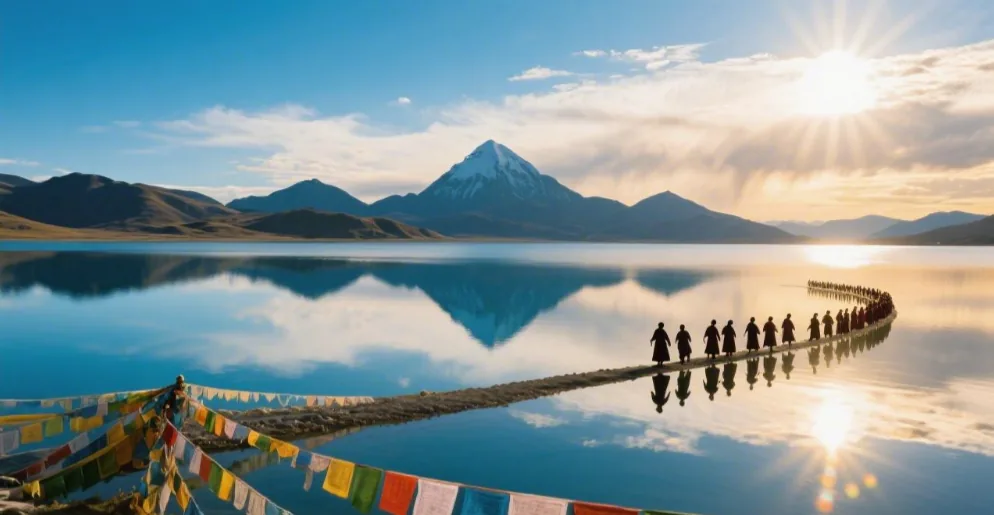
- Hike toward the Palms-together Stone: From the pier, walk left along the gravel road northwest, past a field of purple Stellera chamaejasme flowers. The Palms-together Stone is two natural pillars like a monk praying. Nearby tents sell sweet tea (¥10). I walked 1km to the beach; after 4 PM the light is soft, and the reflection of Nyenchen Tanglha was perfect in the water—grey mountains, sapphire lake, and cloud shadows like spilled silver. I used HDR mode on my phone to capture the reflections and clouds.
- Don’t wear thin shoes; gravel is sharp. My hiking boots were perfect. Wear a woolen hat for the wind.
- A photographer from Beijing said he comes every year for the sunset: “4:30 to 6:00 has the best light as mountain shadows shorten.”
At 6:00 PM, I took the shuttle back to the gate. Beware of fake Dzi bead vendors—as soon as I got off, three men surrounded me shouting, “Real Dzi beads, old mine material!” I pretended to look; one said, “It won’t crack under fire,” another said “Wax test is best.” Recalling that real ones don’t bleed color in a wax test, I made an excuse and left. Tashi later said, “90% at the gate are fake. Real ones are over ¥1000; none here are real.”
At 7:30 PM, we reached Damxung and stayed at Tianhu Hotel (¥280/night). Only one floor-heated room was left; I grabbed it. Room was 22°C with a view of the grassland. The electric blanket was already on. Dinner was at “Grassland Family Restaurant” next door: Tibetan Blood Sausage (¥25/portion) mixed with tsampa and minced meat, served with raw onion to cut the grease. ¥50 per person for a good meal.
|
Item
|
Details
|
Cost/Tips
|
|---|---|---|
|
Transport
|
Shigatse chartered SUV (¥800/day) via S304. 380km, 8 hours. Climbing altitude (3800m → 4700m).
|
Incl. fuel/tolls; 40km/h on bends.
|
|
Namtso Shuttle
|
Mandatory ¥110 round trip. 20 mins to lake. Only way in. Window seats for mountain views.
|
Hours: 8:00-19:00; last bus 18:30.
|
|
Lake Hike
|
Walk toward Palms-together Stone (1km left from pier). Best light after 16:00 for Nyenchen Tanglha reflections. Wear hiking boots.
|
Free; bring thermos; carry trash out.
|
|
Damxung Stay
|
Tianhu Hotel (¥280/night). Floor heating (22°C). Views of grassland. Hot water is stable.
|
Book heated rooms specifically; others are cold at night.
|
|
Scam Alert
|
Watch for fake Dzi beads at the gate. Use wax test (real ones don’t bleed in hot water/wax). Don’t buy “old mine” on the street.
|
Real Dzi beads are expensive; gate items are mostly fakes.
|
|
Food Record
|
Nyemo buns (¥3/piece); Damxung blood sausage (¥25/portion) with raw onion.
|
Sausage is soft; pair with sweet tea (¥5/pot).
|
In bed at Tianhu Hotel, feeling the heat from the floor. Thinking of Namtso’s wind, the shadows of the stones, and the tea. This blue is different from Yamdrok—lonely, yet quiet. Tomorrow, back to Lhasa.
Day 8: Damxung → Lhasa (9:00-13:00) Wrapping Up, Leaving with Memories
At 9:00 AM, Master Tashi was at the hotel. I packed my 30L bag—camera, chargers, and incense. No extra clothes (light packing is crucial on the plateau). As we drove out, the morning sun hit the Qinghai-Tibet Highway. Tashi said, “Good roads today; 4 hours to Lhasa.”
- Qinghai-Tibet Highway Tips: Passing Yangpachen (around 10:30), there were indeed many speed cameras. Limit is 80km/h every 5km. Tashi set cruise control to 75km/h. There’s a scenic downhill section with steam from the geothermal field, but don’t get distracted.
- Arrived near Lhasa Station at 12:20 PM. Fill the tank before returning the car. Gas was ¥8.8/liter. Tashi insisted on a full tank to avoid fee disputes. The staff said prices are stable.
- Souvenirs: Vacuum-packed yak jerky. I bought ” Northern Tibet Melody ” (Zangbei Qing) brand near the gas station (¥65/jin), which is a local Damxung factory with no additives. It’s more reliable than the loose stuff in Barkhor Street. The owner gave me some milk curd as a gift.
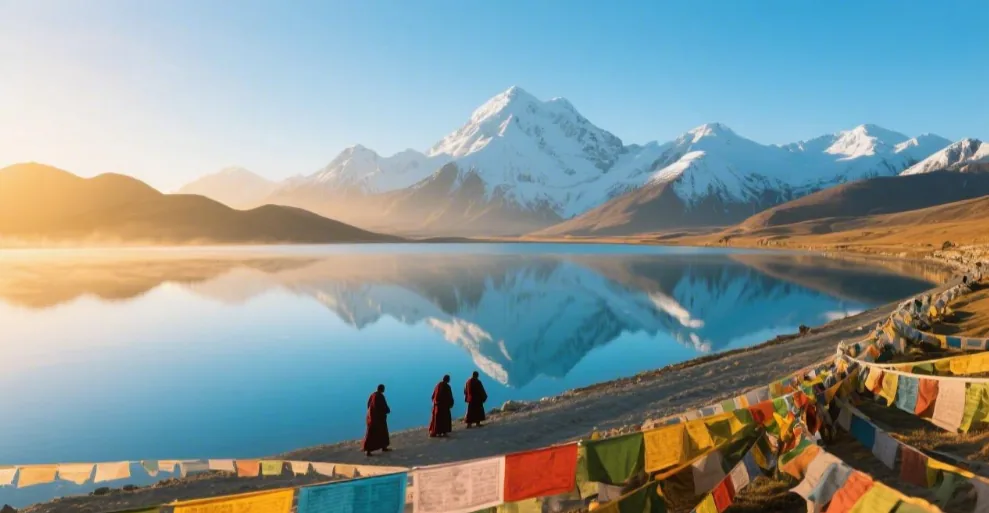
Returned the car and went to Lhasa Station. Sitting in the hall, I organized my photos—Potala walls, Yamdrok blue, Everest flag clouds, Namtso reflections. Personal summary: I drank 2L of water daily in small sips (under 500ml each time) and had no major altitude sickness. In Barkhor, I smiled and nodded to avoid physical contact with vendors, which worked well. August is indeed the best window; mostly sunny except for a brief rain at Namtso. Tashi mentioned July landslides often block G318 for hours.
|
Estimated Total Cost
|
Amount
|
Notes (Based on 8-day actual spending)
|
|---|---|---|
|
Transportation
|
¥4000
|
Chartered 5-seater SUV for 8 days including fuel, tolls, and driver’s service fee (approx. ¥500/day).
|
|
Accommodation
|
¥2500
|
Economy guesthouses (¥260-350/night) + Everest tent bunk ¥150. Average for 8 nights.
|
|
Dining
|
¥1200
|
Approx. ¥150/day. Incl. beef pancakes, hotpot, buns, noodles, etc. Everest meals included in stay.
|
|
Tickets
|
¥800
|
Potala ¥200, Tashilhunpo ¥100, Namtso shuttle ¥110, others.
|
|
Emergency/Supplies
|
¥1000
|
Oxygen ¥40/can, meds ¥20, oximeter ¥50, tire chains ¥50/set, etc.
|
While waiting, I met a traveler from Linzhi who liked my 8-day route. I showed him the Everest flag cloud—that white ribbon seemed to say, “See you next time.” The memories are going home with me, along with the bag of yak jerky.
Related Guides
- 7-Day Tibet Entry Route for Mild Altitude Sickness | Nyingchi + Lhasa + Yamdrok Lake, A Smooth Low-to-High Elevation Transition for First-Timers
- 7-Day Shigatse Exploration: Tashilhunpo, Sakya, and Palcho Monasteries – Thangka Art & Tibetan Architecture
- 8-Day Tibet Honeymoon: Love Above the Clouds.
- 7-Day Tibet Winter Budget Guide | Sunbathing in Lhasa + Frozen Lake Pumo + Sera Monastery, Ticket-Free with Fewer Crowds & Better Scenery
- 6-Day Tibet Slow Travel Guide for Seniors | Jokhang Temple + Nyingchi Lulang + Basum Lake, Non-Tiring & Oxygen-Sufficient Itinerary
Shigatse — — Practical Data
Where to Stay · Room Type · Nearby
- Shigatse city (around Tashilhunpo Monastery) | Reference price About CNY 200–600 per night (reference) | Room tip: Accommodation is relatively comfortable, suitable as a base for the Tsang (western Tibet) itinerary; the city is at abou | Nearby add-ons: Tashilhunpo Monastery, Sangzhutse Fortress (“Little Potala Palace”), Gongjue Linka[src]
- Zhaxizong township (Everest scenic area, elevation about 4200 m) | Reference price Hotels about CNY 200–500 per night, Rongbuk Monastery guesthouse about CNY 600 per night, tent hotels about CNY 20 | Room tip: Zhaxizong township is at lower elevation (about 1000 m lower than Base Camp) and safer, with oxygen-rich hotels; the ten | Nearby add-ons: Gyawula Pass (viewing the four 8000 m peaks), Everest Base Camp, Rongbuk Monastery, Rongbuk Glacier boardwalk[src]
Typical Climate & Packing (Past Years)
- January: -13 °C–6 °C °C, Shigatse is at an elevation of about 3800–3860 m with a large day-ni
- February: -10 °C–8 °C °C
- March: -5 °C–11 °C °C
- April: -1 °C–16 °C °C
- May: 3 °C–20 °C °C, Entering the favorable travel season
- June: 8 °C–22 °C °C






