



Day 1: Departing from Kunming to Dali (Specific Route, Driving Time, and Post-arrival Arrangements)
I entered the Hangrui Expressway from the Kunming West Toll Station. As soon as I turned onto the ramp toward “Dali Direction,” the navigation voice seemed to change its tone—the first half was an urban expressway with high-rise buildings slowly receding. After passing the Anning city boundary marker, I began driving through tunnels: roughly one every 5 km, with bright white lights on the tunnel ceilings and neatly painted reflective markings. Meeting other vehicles didn’t require a tight grip on the steering wheel, as cars beside me stayed disciplined in their lanes. The total distance was 180 km. I drove quite slowly, moving to the right when encountering large trucks, and it took a total of 2 hours and 41 minutes. I only stopped for 10 minutes at the Chuxiong Service Area: located at K1978 on the Hangrui Expressway. There were 3 cars queuing at the gas station; I added 200 yuan of 95 gasoline (unit price 8.2 yuan/liter). While using the restroom, I glimpsed a “Dali Travel Guide” on the wall—it actually said “The ancient city underground parking is safer than the roadside.” At the time, I thought it was redundant, but later I realized it wasn’t a lie.
Driving Detail Supplements
- Highway Conditions: On the Kunming-Dali section of the Hangrui Expressway, the first half (Kunming-Anning) has heavy traffic with a speed limit of 100 km/h; the second half (Anning-Xiaguan) has many tunnels with a speed limit of 80 km/h. There are emergency lanes inside the tunnels, but never occupy them—I personally saw a car stopped in the emergency lane to take photos being pulled over and ticketed by the police.
- Refueling Suggestions: Gas prices at the Chuxiong Service Area are similar to the city (95 gasoline is 8.2 yuan/liter), but gas stations are scarce near the Ancient City after exiting the highway, so it’s more worry-free to fill up in advance.
Upon reaching Xiaguan in Dali, the navigation prompted “Turn onto the Dali-Lijiang Expressway Link Road.” This road is newly paved asphalt with dual four lanes. Large “Dali Ancient City” billboards stand by the road, featuring Bai girls holding fresh flowers. Following the traffic flow, I passed several mushroom stalls where owners shouted “Fresh Ganba mushrooms!” I didn’t stop and continued forward—15 minutes later, the South Gate tower of the Ancient City came into view: grey-blue bricks and copper bells on the flying eaves that “tinkled” when the wind blew. After parking, I discovered that the entrance to the Ancient City underground parking lot is in the Wenxian Road alley to the right of the South Gate. The blue-and-white sign was half-hidden by plane trees; first-timers have to squint to find it. Inside is a two-story stereoscopic garage with parking spots wide enough to open doors without scraping the car next to you. I parked at Section C, No. 12 on the 3rd floor. Scanning the QR code at the exit, I paid 10 yuan/day—much more cost-effective than the roadside marked spots. Although the roadside was marked at 8 yuan, I saw two cars with tickets under their wipers; the red slips were quite an eyesore.
Dali Ancient City Parking Comparison Table
| Parking Method | Location/Entrance | Fee | Safety | Convenience |
|---|---|---|---|---|
| Underground Parking | Wenxian Road alley, right of South Gate | 10 yuan/day | Stereoscopic garage with surveillance | 5-minute walk to South Gate |
| Roadside Marked Spots | Main streets of South/North Gates | 8 yuan/hour | Risk of ticketing (50 yuan fine) | Immediate access, but few spots |
I dropped my luggage at the guesthouse first: I chose “Granny’s Bai Courtyard” near the Ancient City. The owner was a lady wearing a dark blue tie-dye apron. She opened the door holding a bowl of Paoluda: “Just made it. Coconut shreds, toasted bread, and sago are on top—have some to pad your stomach.” The room was at the very back of the courtyard, featuring solid wood furniture and beds covered in butterfly-embroidered Bai sheets. The window faced the East Wall of the Ancient City—the afternoon sun warmed the wall, and when I touched it, the blue bricks still held the temperature of the morning sunlight. The lady said: “You can visit Renmin Road tonight; the snacks there are authentic. Don’t buy the Rushan (milk fans) at the scenic area entrance; they are expensive and not fresh.” It was only 200 yuan a night, 30 yuan cheaper than similar guesthouses I saw online.
In the evening, I strolled to Renmin Road: a 10-minute walk from the guesthouse. The flagstone road was a bit bumpy, but the plane trees filtered the sunset into fragmented gold on the ground. First, I found “Master Duan’s Rushan Shop.” The storefront was white with a crooked wooden sign. The owner was a young man with glasses steaming Rushan: “It only tastes good when freshly made. Steam the Rushan soft, wrap it in maltose, and press it with sesame and peanuts.” I took the 12-yuan Rushan Sachima. The first bite was crispy—the toughness of the Rushan wrapped in syrup, followed by the aroma of sesame, and finally a faint milky aftertaste that wasn’t overly sweet. Even my mother, who doesn’t like sweets, asked “Where did you buy this?”
Renmin Road Food Experience List
- Master Duan’s Rushan Sachima (12 yuan/piece): Freshly steamed Rushan wrapped in maltose, mixed with sesame and peanut crumbles; crispy without sticking to teeth, with a natural milk aroma.
- Fresh Squeezed Tamarind Juice (8 yuan/cup): Freshly blended tamarind and ice; a perfect balance of sweet and sour, more refreshing than milk tea and great for cutting grease.
- Roasted Erkuai (5 yuan/piece): Bought casually from a stall; the rice cake was roasted to a charred fragrance and spread with peanut sauce—a perfect snack.
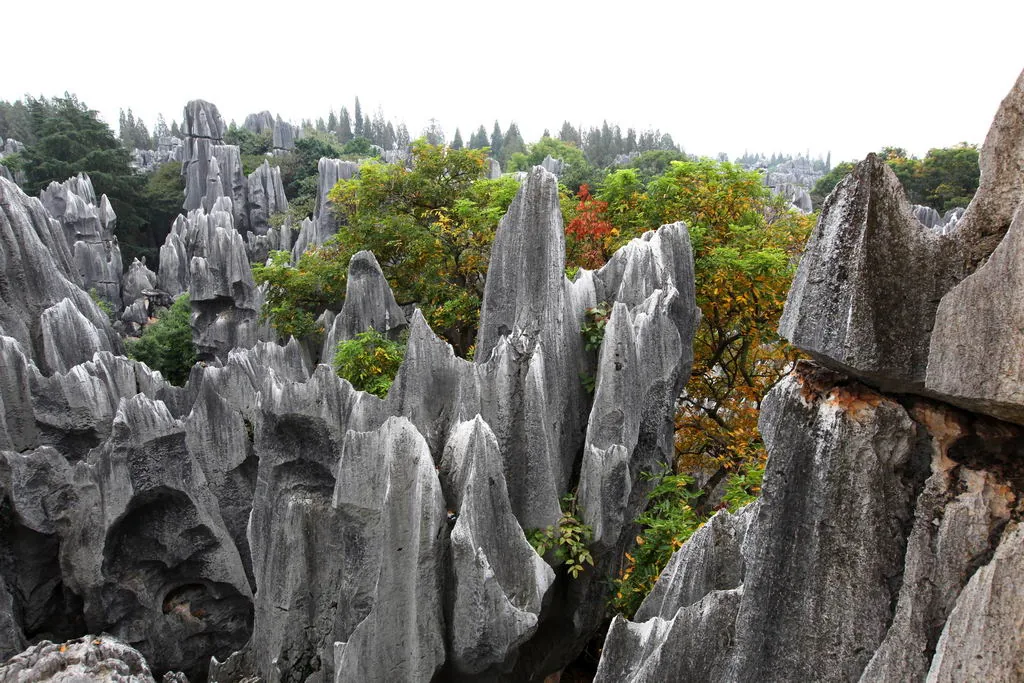
Day 2: Circling Erhai Lake in Dali (Route, Sightseeing Time, Driving Tips)
At 8:30 AM, I pushed my electric scooter out of the South Gate. The sun had just shrunk the shadow of the city wall into a narrow strip. The wind carried the scent of Ersi (rice noodles) from the alleys. I took a bite of the freshly baked flower cake I bought—rose filling, flaky crust crumbling in my palm, the sweet floral scent mixed with warmth hitting my nose. Heading toward West Huanhai Road, rows of Gesang flowers—pink and purple—swayed in the breeze. Occasionally, I met Bai aunts riding electric bikes wearing bamboo hats, their baskets filled with freshly picked vegetables, smiling at me: “Going for a lake loop?”
Erhai Lake Loop Route Details
| Section | Start-End | Driving Time | Road Conditions | Recommended Activities |
|---|---|---|---|---|
| West Huanhai Road | Dali Ancient City-Xizhou | 20 minutes | Dual two lanes, 60 km/h limit in parts | View rice fields and Gesang flowers |
| West Huanhai Extension | Xizhou-Shuanglang | 40 minutes | Smooth asphalt, occasional falling rocks | Pass Xizhou rice fields for pastoral photos |
| East Huanhai Road | Shuanglang-Wase | 30 minutes | Many curves, slow down | Mountain views and Erhai lake unfold |
I arrived at Xizhou Ancient Town exactly at 10:00 AM. The free Sifang Street parking lot is at the end of the old street—the entrance is hidden behind two large banyan trees, the sign half-covered by vines. I followed the navigation through a turn to find it. Walking toward the town after parking, I passed “Granny’s Rushan Stall.” The freshly roasted Rushan was steaming, and Granny shouted “Sweet!” But remembering the guide’s tip that “Yang Shunbao’s Poshu Baba is more authentic,” I walked straight to the middle of the old street.
Yang Shunbao Poshu Baba‘s storefront featured a faded black wooden plaque. The owner was a stout uncle in a blue cloth apron, with freshly kneaded dough on the board: “Sweet for 10 yuan, salty for 8 yuan, made to order.” I ordered a sweet one and watched him take Rushan from the steamer, wrap it in homemade rose sugar, and press it with sesame and peanuts—the moment I got it, the warmth and rose scent hit me. One bite was “crunchy”; the outer crust was so flaky it crumbled, while the inner Rushan was tough and chewy. The rose sugar was fresh-picked and moistly sweet, unlike the cloying kind from supermarkets. The salty one was made with ham bits, the aroma of Xuanwei ham wrapped in flaky crust; it released subtle meat juices when bitten. I finished it standing at the shop door, even licking the sugar crumbs off my fingers.
Departing Xizhou at 11:30 AM, I drove along West Huanhai Road toward Shuanglang. There were few cars. On both sides were waist-high rice fields, green leaves glistening with dew. Occasionally, a Bai grandfather could be seen carrying a hoe, followed by a yellow dog that wagged its tail at cars. 40 minutes later, I reached Shuanglang. The large archway at the town entrance had “Shuanglang” written in gold. I found a parking lot and bought a Yuji Island ticket (25 yuan)—reaching the island requires walking across a wooden boardwalk where the wind was so strong it blew my skirt up and hair across my face.
Yuji Island is a small peninsula poking into Erhai. The courtyard wasn’t large but full of details: Bougainvillea climbed the walls at the entrance; a row of succulents—plump cacti—sat in the yard, their leaves damp with sea mist. Yang Liping’s former residence was at the very back; the hall doors were carved, and the wood grain still held the color of old lacquer. Silver ornaments shimmered in glass cabinets displaying her collected ethnic costumes. I took a photo in the yard with Erhai as the backdrop—the water was blue like a crushed sapphire, light blue near the shore and deep blue where it met the Cangshan Mountains.
Starting from Shuanglang at 1:30 PM, I drove along East Huanhai Road toward Wase. 30 minutes later, I arrived at the Wase Viewing Platform. The parking lot was at the foot of the hill with few spots; I grabbed the last one. After a 5-minute climb up the steps, the wind rushed over me, making me grip my phone tight—the panoramic view of Erhai hit my eyes: the entire lake looked like blue velvet spread across the earth. Sunlight turned the water into fragmented gold, the layered Cangshan Mountains in the distance, and clouds so low they seemed ready to drop into the water. I took a photo; friends on social media asked if I used a filter. I didn’t—Dali’s blue is just that pure.
Returning to Dali Ancient City at 6:00 PM, I passed Zaiguishou Liangji Rice Noodle Shop—the sign was hand-written, white on a red background, posted on an alley corner. The owner was a young man with glasses, wiping tables and shouting: “Cold chicken or cold slices?” I ordered the Cold Chicken Rice Noodles for 25 yuan. When it arrived, the noodles were hand-kneaded and distinct, soaked in chicken broth simmered all day, topped with evenly sliced cold chicken—the skin was so crispy it made a “click” sound, and the meat was so tender it juiced. The broth had ginger, green onions, and a hint of Cao Guo (black cardamom), smelling so good it comforted the nose. It was served with pickled radishes, sour and refreshing. I sat on a small stool at the shop door eating while a local old man next to me chatted: “This shop has been here for 20 years; I’ve eaten here since I was a kid. The chickens are slaughtered fresh daily.” Only then did I feel confident enough to finish the whole bowl, even drinking half the soup.
Lying in the guesthouse bed at night, I recalled the day’s loop around Erhai: the scent of Gesang flowers in the wind, the sweetness of Yang Shunbao’s Baba, the succulents of Yuji Island, the blue of Wase Viewing Platform, and the freshness of Zaiguishou noodles. Guitar music drifted from the ancient city—not the noisy bar type, but a folk singer with a guitar singing “Going to Dali,” a gentle voice that seemed to say “Come back tomorrow.”
Erhai Loop Pitfalls & Recommendations List
- Pitfalls: ① Rushan at the Xizhou Ancient Town entrance is 5 yuan more expensive and not fresh; ② Don’t pay more than 30 yuan for handmade shawls in Shuanglang; the cost is only 10 yuan; ③ Bottled water at Wase Viewing Platform costs 10 yuan; buy it for 2 yuan in the Ancient City beforehand.
- Recommendations: ① Have a cup of freshly ground coffee at a small café in the Xizhou rice fields to enjoy the scenery; ② Buy an iced lemon tea at a seaside shop in Shuanglang and sit all afternoon watching Erhai; ③ Buy a box of fresh-picked cherries from a roadside stall in Wase—10 yuan a box, very sweet.
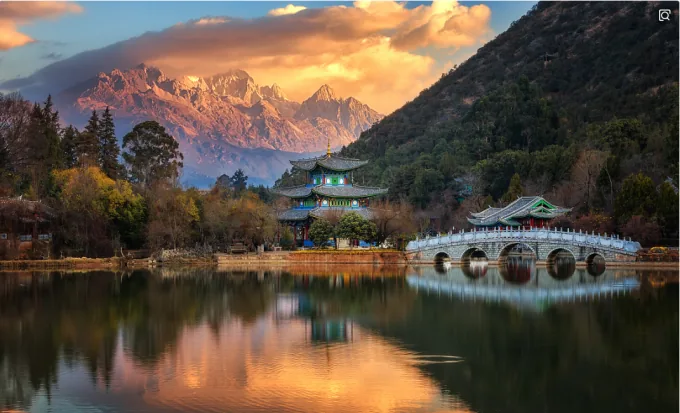
Day 3: Dali to Lijiang (Via Dali-Lijiang Expressway, Route Details, Tolls, Daily Activities)
I was woken up by the chirping of laughingthrushes in the guesthouse courtyard—when I opened the curtains, the shadow of the ancient city wall was still slanted across the flagstones, the sun hadn’t fully broken through, and the wind carried the scent of soy milk from the breakfast stall at the alley entrance. The landlady passed by with a bowl of Xidoufen (pea porridge), smiling as she reminded me: “There’s a ‘Jiudingshan Viewing Platform’ along the Dali-Lijiang Expressway. If you want to stop, change lanes 500 meters in advance. You have enough time today, but let’s get on the road first.” I agreed, stuffed the flower cake I bought yesterday into my backpack, and started the electric scooter toward the highway entrance.
Entering the Dali-Lijiang Expressway, the navigation prompted “Entering mountain area in 2 km.” Sure enough, the roadside trees transitioned from eucalyptus to pines. The dryness in the wind dissipated, replaced by the bitter fragrance of pine resin. I set the cruise control and mostly stared at the green mountains ahead, occasionally glancing at signs—”Jiudingshan Viewing Platform 1 km”—but didn’t stop, thinking of reaching Shuhe by the afternoon. There was no traffic the whole way, even few trucks, like driving through a green tunnel.
Exiting the highway, the toll auntie handed over the receipt with a smile: “Girl, going to Shuhe? It’s quieter than Dayan.” I took the receipt and followed the traffic onto Provincial Road S221—willows hung over the road, and occasionally trucks carrying mushrooms passed by, their beds covered in thick canvas, emitting a faint mushroom scent. This road was a bit bumpy, but Yulong Snow Mountain could be seen in the distance, the snowline clear, the summit’s white looking like un-melted frosting.
20 minutes later, I arrived at Shuhe Ancient Town. The wooden parking sign at the North Gate entrance was a bit faded. Following the arrow for 50 meters, I saw an open-air parking lot paved with gravel—spots weren’t crowded. I parked at the very back for 10 yuan a day, ten times quieter than the roadside spots in Dayan Ancient City. Walking into the town after parking, I passed a stall selling fresh snow peaches. The owner shouted “Freshly picked, 10 yuan a jin (500g)!” I picked three; the skin was so thin the red flesh showed through. Eating them at the guesthouse that night, they were sweet as honey.
Exploring the town in the afternoon, the first stop was Qinglong Bridge—built in the Ming Dynasty, the bridge body is made of large bluestones, their surfaces polished smooth by countless footsteps over time. Lotus flowers were carved on the railings, some petals chipped away by the years. Beneath was the Qinglong River, flowing slowly with willow leaves floating on the surface. I knelt by the bridge and touched the water—it was chilly, carrying the scent of the mountains. An old man was fishing nearby, his line hanging motionless. He smiled: “The fish in this river are very clever; you have to wait until sunset for them to bite.”
In the evening, I went for Granny’s Cured Pork Ribs—the shop was in an alley in the middle of town, with an earth-yellow storefront and a red cloth sign saying “Granny’s Cured Pork Ribs.” The owner was an old lady in coarse cloth clothes, bringing out a clay pot: “Just stewed, want a pot?” It was 60 yuan per person. The cured ribs were from Xuanwei, the meat falling off the bone with a rich cured aroma; the broth, simmered for 4 hours with pork bones and cured ribs, was so fresh it could make you swallow your tongue. The corn cakes were freshly toasted, crispy outside and soft inside; dipping them in the soup to soak up the broth made them taste even better than the meat. I sat at a small table outside while a local auntie chatted with me: “A bit of Angelica was added to this soup; it warms the body in winter. If you come in summer, I’d recommend the sour plum soup.”
At night, I sat on the terrace of “Shuhe Story” Café—I ordered a mulled wine with a bit of cinnamon, the warmth spreading down my throat. The terrace overlooked the old houses of the town; the roofs were grey-blue tiles, hung with strings of warm yellow lights. The singer was a young man in a denim jacket, singing “Shuhe Ancient Town” folk songs, his voice gentle like chatting with a friend. Looking up, there were many more stars than in Dayan Ancient City because Shuhe is quiet with less light pollution; the stars were sparkling like diamonds on black velvet.
Leaving the café, I walked along the flagstone paths and passed a stall selling Roasted Erkuai with Youtiao for 5 yuan. The Erkuai was roasted charred-fragrant, the Youtiao was crispy; with a bit of sweet bean sauce, it was crispy outside and soft inside. I sat on a roadside stone bench eating while a child chased a cat nearby. The cat’s tail was held high as it darted into a flower cake shop, making the owner laugh out loud.
That night, lying in the guesthouse bed smelling the osmanthus in the yard, I thought of the day’s journey: the pine scent on the highway, the bluestones of Qinglong Bridge, the freshness of cured ribs, and the stars at the café. There was no anxiety about rushing; just slow wandering, slow eating, and slow viewing—it turns out “slow travel” is the true meaning of a trip.
Shuhe Ancient Town Practical Tips
- Parking: The North Gate parking lot is most cost-effective (10 yuan/day), with more spots than the South Gate and closer to the core area.
- Pitfalls: Don’t buy “handmade silver jewelry” at the town entrance; it’s 3 times more expensive than outside. Ask mushroom stalls “Is it cooked?”; raw ones cannot be eaten.
- Recommendations: The “Ancient Tea Horse Road Museum” next to Qinglong Bridge (free) to see old photos and artifacts; the “Handmade Leather Shops” in town, where owners teach you to make small pendants for 20 yuan—a great souvenir.

Day 4: Lijiang Ancient City and Surroundings (City Route, Must-visit Spots, Parking Guide)
At 10:30 AM, holding a Rose Sugar Flower Cake (5 yuan/piece, flaky crust with rose jam, sweet but not cloying) from the alley entrance, I walked into the South Gate of the ancient city. The stone plaque “Dayan Ancient City” over the gate was polished smooth. The breeze in the gateway carried the tunes of Naxi ancient music, sounding like the quality of an old gramophone record—slow, but reassuring.
Lijiang Ancient City Core Route
I walked along Wuyi Street; the flagstone road was polished by thousands of years of footsteps, and the shops on both sides were like unfolded Naxi tapestries: on the left was “Granny’s Flower Cakes” with rose filling piled high; on the right was a “Silversmith Shop,” where a master held a small hammer tapping a silver bracelet, the clinking sound bouncing off the walls into a fragmented melody. Turning a corner, I saw the “Naxi Hand Drum Shop“—the storefront was a raw wood board saying “Learn to drum for 10 yuan.” The owner was a young man in a dark blue tie-dye apron with a stubbly beard, squatting to tune a drum skin.
“Want to try, girl?” He looked up and smiled, bringing over a small stool. I sat down, and he held my hand to teach the grip: “Press the handle with your thumb, lift your index finger a bit, shake your wrist—right, like a rattle drum, but with gentle force.” Dong-da-dong-da, I was startled by the first sound. The owner clapped and shouted: “You got it! Do it again, keep the rhythm steady.” I played three times, and an auntie nearby joined in, holding my hand to drum together. The shop was full of laughter, even the sparrows outside perched on the railing to watch.
Leaving the drum shop, another turn led to Sifang Street—the center of the ancient city, a round plaza paved with bluestones, with a Big Water Wheel standing in the middle. The wooden wheel was taller than my shoulder, turning slowly, water splashing on the stone railings covered in fine moss. I took a photo by the water wheel, with an old lady in a blue apron behind me carrying a bamboo basket of wild mushrooms, the Jicong mushrooms still having soil on them. “Taking a photo, girl?” she asked with a smile, sunshine hidden in her wrinkles. “Stand more to the left to get the whole wheel.” I adjusted my angle; the wheel turned in the lens, and the old lady’s figure blurred into the background like an old photograph.
At 2:00 PM, I visited Mu Mansion—ticket 40 yuan. The ticket collector at the door wore a Naxi “Seven Stars Shawl” and smiled: “It’s like a mini Forbidden City inside; take your time.” The first second I entered, osmanthus fragrance mixed with moist air rushed over me—two century-old osmanthus trees grew in the courtyard, branches reaching over the eaves, petals falling on the bluestones. In the main hall stood the statue of Tusi Mu Zeng: he wore a dark blue official robe, holding a thread-bound book, his brow gentle like a teacher’s. The description board noted he was the 19th generation Tusi of Lijiang, who presided over the construction of Mu Mansion and translated the Naxi “Genesis” into Chinese. I walked around the courtyard, seeing Koi fish—red and white—swimming slowly as if enjoying the sun. A Naxi script chessboard was carved on a stone table by the pond, an unfinished game left by someone unknown.
Lijiang Ancient City Parking & Pitfall Practical List
- Parking Choice: Lijiang Ancient City South Gate Parking Lot (Entrance at the intersection of Wenxian Road and Guangyi Street, blue-and-white sign is very obvious). A stereoscopic garage with wide spots. I parked in Section C on the 3rd floor and paid 20 yuan via QR code (daily max price). It’s a 10-minute walk to the South Gate, where you can buy a Fresh Squeezed Apple Juice (5 yuan/cup, sweet like biting into a fresh-picked apple).
- Pitfall Reminders: ① Stay away from “Handmade silver jewelry” in the ancient city—I asked three shops; they were all machine-made mass products costing dozens but selling for hundreds; ② Don’t believe roadside “Day Tours”—an auntie told me “100 yuan for Yulong Snow Mountain,” which turned out to be a trap for buying high-priced oxygen bottles; ③ There are very few ATMs (only 1 at the South Gate entrance); withdraw cash at the hotel in advance, or use mobile payments (supported by most shops).
In the evening, exiting Mu Mansion and walking back along Guangyi Street, the sunset dyed the bluestones golden. Passing a Naxi snack stall, the owner shouted: “Want ‘Jidou Liangfen’ (Chickpea Jelly)? 5 yuan a serving.” I sat down; the jelly was dark grey, drizzled with chili oil and vinegar, slippery with a hint of bitterness—like life in Lijiang, slow but flavorful.
At night, lying in the guesthouse courtyard, the host brought me Naxi Baba (roasted fragrant, filled with walnut crumbles). I chewed the Baba listening to the sound of flowing water—the ancient city’s stream wraps around the house, sounding like a lullaby. Recalling the hand drums, osmanthus scent, the Mu Mansion statue, and the smile of the old lady at Sifang Street, I suddenly understood “quiet years”: it’s not about having no troubles, it’s about someone turning life into poetry and waiting for you to keep the appointment.

Day 5: Lijiang to Lugu Lake (Via Lining Highway, Mountain Road Conditions, Driving Time, Post-arrival Activities)
At 7:30 AM, I was chewing a Roasted Erkuai spread with peanut sauce (5 yuan/piece, flaky crust so crispy it crumbled) in the Shuhe guesthouse yard. The landlady brought a bowl of steaming salty soy milk: “Going to Lugu Lake? Lining Highway has many curves; don’t be greedy for speed.” I stuffed the Xuanwei ham I brought for the Lugu Lake guesthouse owner into the trunk and started the car toward the northwest—as soon as I hit the Lining Highway, the dryness in the air vanished, replaced by the bitter scent of pine resin, like freshly split pine logs.
Lining Highway
The curves on Lining Highway are truly numerous—roughly one sharp turn every 1 km, like a twisted hemp rope. I drove very slowly, not daring to exceed 40 km/h: on the left was a vertical mountain slope with shrubs poking out of rock crevices and occasional wild rhododendrons, pink and red, blooming ten times more vibrantly than in the city; on the right was a deep valley where I could see the stream crashing against rocks, the mist drifting up and dotting the windshield like tiny water beads.
At 9:30 AM, I reached the Ninglang County Service Area—it’s called a service area but is actually a small parking lot surrounded by a few prefabs, with the Mosuo “Walking Marriage Bridge” pattern painted on the walls. I ducked into “Ninglang Local Cuisine Restaurant” where the owner shouted with a spatula: “Native chicken hotpot just stewed!” It was a small pot for 70 yuan per person. The chickens were free-range, stewed until the meat fell off the bone, even the breast meat was so tender it melted with fragrance; the broth was added with Porcini and Jicong mushrooms, so fresh it could make you swallow your tongue. The owner sat opposite peeling garlic: “I’ve driven this road for twenty years; you outsiders must go slow. Last time a tourist drove too fast and almost went off a curve.” I nodded while shoveling rice, even finishing a bowl of soup.
At exactly 12:00 PM, the blue of Lugu Lake suddenly hit my eyes—it “popped” out from a mountain hollow like a spilled sapphire, the surface so calm it reflected the outline of the Cangshan Mountains. I sped up slightly and at 1:00 PM turned into the alleys of Daluoshui Village. The red lanterns of “Mosuo Family Guesthouse” hung on an old locust tree, and the owner Ayi, wearing a Mosuo woven skirt, came out to greet me: “The room is ready, lake view, 5 minutes’ walk to the shore!”
Afternoon at Lugu Lake
The room wasn’t large, but the window faced Lugu Lake—the bed was covered in Mosuo handmade weaving with embroidered twin lotuses, and a bar of handmade soap smelling of pine resin sat by the pillow. I dropped my bags and ran to the lakeside. The flagstone road was a bit bumpy, but the scent of lake water in the wind mixed with grass aroma, like a freshly sun-dried quilt.
At the shore, a few Mosuo children were playing in the water, throwing pebbles into the lake, the splashes wetting their pant legs. I found a flat stone to sit on and watch the sunset: the water changed from light blue to orange-red, then to pink-purple. The Lige Peninsula in the distance looked like a small crescent floating on the water. A little girl with pigtails ran over, holding a pebble: “Sister, what are you looking at?” I smiled: “Watching the Lugu Lake sunset.” She tilted her head: “I watch it every day and never get enough—yesterday I even saw a rainbow fall into the lake!”
In the evening, I ate at Lugu Lake Fish Village—a row of small wooden huts by the lake. The owner was a middle-aged man in a straw hat who brought Silverfish Omelet (38 yuan/serving): the silverfish were golden-yellow, wrapped in fluffy eggs; one bite and they melted in the mouth with the fresh sweetness of the lake. I added Sautéed Water Celery with Wild Mushrooms; the celery was crunchy and the mushrooms slippery, all freshly picked from the lakeside that morning. The man wiped the table: “Silverfish must be eaten fresh; they get soft if late—my son went to catch these at 4:00 AM just for this freshness.”
Back at the guesthouse at night, Auntie Ayi brought Roasted Potatoes (5 yuan/piece, sprinkled with salt and Sichuan pepper) and sat in the yard chatting: “You can see stars by the lake tonight; Lugu Lake has many stars, like a handful of diamonds.” I chewed the potato and looked up; sure enough, the stars were sparkling, even the Milky Way was visible like a faint silver ribbon in the sky. The wind carried the scent of lake water and Gesang flowers. Leaning back in the chair, listening to the distant insects, I slowly fell asleep.
Lining Highway & Lugu Lake Practical Tips
- Mountain Road Warning: Lining Highway has no signal for the entire journey; download offline maps in advance. Honk at sharp turns; oncoming cars will yield in advance.
- Service Area Recommendation: The native chicken hotpot at Ninglang County Service Area is a must-eat, cleaner and more affordable than inside the scenic area. Buy two bottles of mineral water; the water in later villages is a bit hard.
- Guesthouse Choice: “Mosuo Family” in Daluoshui Village is great value; owner Ayi is a local who will tell you the best sunset spots and let you share her roasted potatoes at night.
- Food Pitfalls: Don’t buy “Roasted Rushan” at Lugu Lake; it’s 5 yuan more than the ancient city and not fresh. Silverfish omelets must be freshly caught; frozen ones lack that fresh kick.
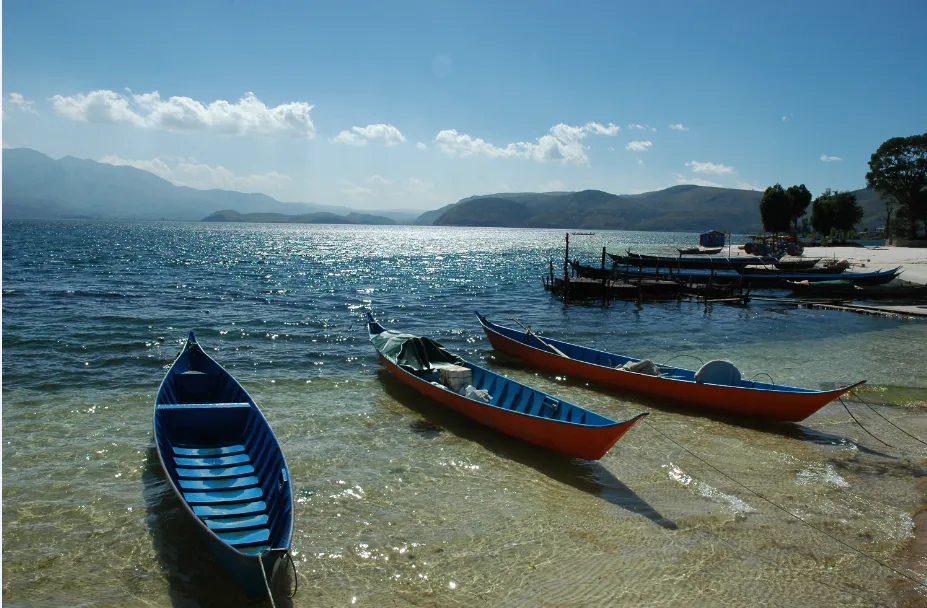
Day 6: Lugu Lake Loop Tour (Route, Key Spots, Driving Precautions)
At 9:00 AM, I pushed a date-red electric scooter out of the guesthouse—Ayi was squatting nearby adjusting the seat, her coarse cloth apron stained with flour: “This has a range of 120 km, enough for the loop. Don’t ride to the Grass Sea; the road there is full of potholes.” When the key hit the lock, the dashboard green light flashed. I touched the anti-slip rubber grips, and the wind with the salty lake scent rushed over. I set off.
The Loop Route
I chose the clockwise route: Daluoshui → Lige → Nisai → Xiaoluoshui, 50 km in total, planning to wander for 6 hours—
| Section | Start-End | Driving Time | Hidden Details | Fee/Reminder |
|---|---|---|---|---|
| Daluoshui → Lige | Daluoshui Village → Lige Peninsula | 20 minutes | Lakeside boardwalk covered in pine needles, soft to step on | Free parking (Lige Viewing Platform, few spots so arrive early) |
| Lige → Nisai | Lige → Nisai Village | 15 minutes | Millennial cypress at village entrance hung with prayer flags rustling in wind | Gemu Holy Mountain Cableway 100 yuan (Didn’t take, shot panorama from platform) |
| Nisai → Xiaoluoshui | Nisai → Xiaoluoshui Village | 10 minutes | Passing Grass Sea edge, wild ducks hidden in reeds | Bonfire party ticket 30 yuan (Save 10 yuan if getting from guesthouse owner) |
Starting from Daluoshui and driving along the lake, the Lige Viewing Platform wooden sign appeared at a turn. The parking lot was open-air with seven or eight electric scooters. I found a spot under a tree—the light spots filtering through the leaves fell right on the seat. Walking down the wooden boardwalk, the Gesang flowers on both sides were wet with morning dew, the water drops rolling onto my hand, chilly. At the end of the boardwalk, Lige Peninsula “jumped” out: like a blue sapphire softened by lake water. The pines on the peninsula tip were crooked, like they were placed there casually. I knelt by the boardwalk and took a photo; the water on the phone screen shimmered with gold, even the cloud shadows were swaying in the lake.
At 10:30 AM, I reached Nisai Village, with Gemu Holy Mountain standing on the opposite peak. I walked toward the cableway viewing platform. The steps were bluestone, with Mosuo prayer wheels on both sides. I followed the locals and turned them three times—the wheel bodies were carved with scriptures and creaked when turned. The wind at the platform was very strong, blowing my skirt. Looking down, the clouds in the canyon were like marshmallows, wrapping villages, terraced fields, and the distant Lugu Lake. The cableway ticket was 100 yuan. I pinched my wallet—I’d already seen the mountain view; better save the money for roasted potatoes tonight.
At 12:00 PM, I arrived at Xiaoluoshui Village. The Log Houses had smoke rising from roofs, and the air carried the scent of Butter Tea. At 2:00 PM, the bonfire in the village plaza was lit. Mosuo grandmothers in indigo woven skirts clapped hand drums and shouted: “Come dance the Guozhuang!” I joined in. A grandmother took my hand, her palm warm: “Step steady, swing your hands, like the wind blowing Gesang flowers.” A child nearby tugged my shirt, shaking their bottom, laughter hotter than the bonfire. I danced for an hour, covered in sweat but didn’t want to stop—this is the most vibrant “living fossil” of Lugu Lake.
In the evening, back at Daluoshui, Auntie Ayi came out with freshly roasted Mosuo Baba: “Eat while it’s hot; the peanut crumbles were ground this morning.” The crust was charred and crispy, and biting into it revealed sweet peanut filling, not cloying. I sat in the courtyard eating. Ayi brought a small stool: “The Xiaoluoshui bonfire only happens on Wednesdays and Fridays; you’re lucky.” The wind carried the scent of lake water and walnut trees. I looked up at the moon, a size larger than in the city, like a glowing piece of jade.
Lakeside Loop “Local Experience” (No Pits)
- Scooter Range: Be sure to choose one with over 100 km range, or you might have to push it back from Xiaoluoshui; ask if there’s a spare battery.
- Lige Photos: Don’t just shoot from the platform; walk down the boardwalk to get a panorama of “Person standing by the peninsula.” Wear light colors to match the blue lake.
- Gemu Holy Mountain: The cableway is low value; better to shoot the “Mountain-Cloud-Lake” scene from the platform—save 100 yuan to buy 5 cups of fresh walnut juice (10 yuan/cup, sweet like melted walnut candy).
- Bonfire Party: Get the “internal ticket” from your guesthouse owner in advance, 10 yuan cheaper than on-site. Wear sneakers! You’ll dance for a long time; heels will cause sprains.
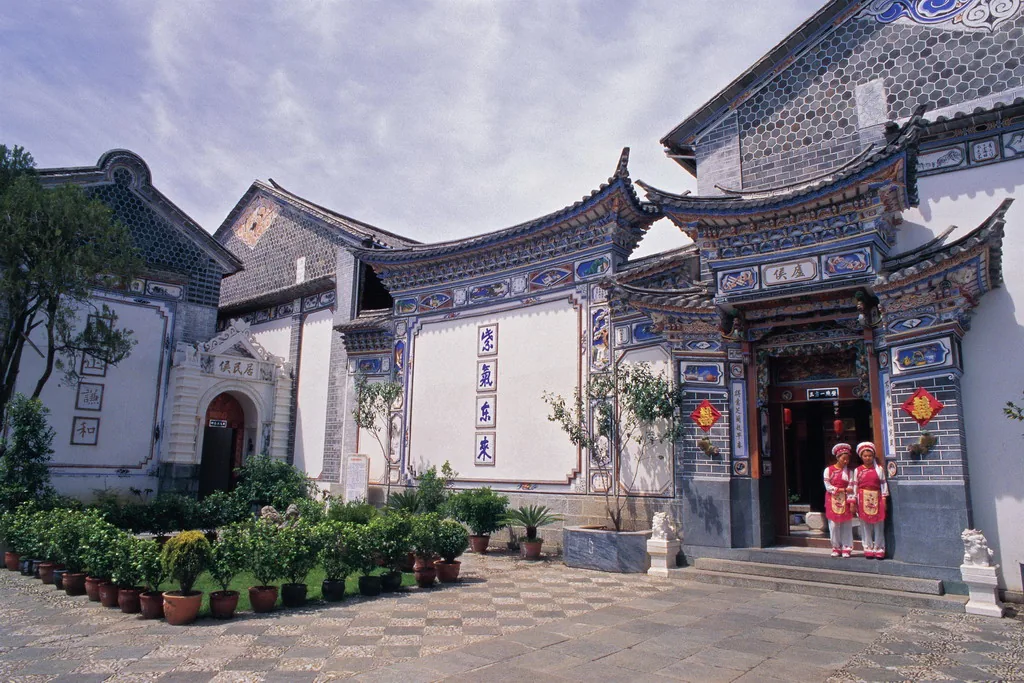
Day 7: Lugu Lake back to Lijiang (Return Route, Travel Time, Rest Stops)
At 8:30 AM, I was chewing Roasted Erkuai soaked in butter tea given by Ayi—the Erkuai was roasted crispy and hollow, wrapped in salty butter tea, so soft it melted. My backpack was stuffed with two leftover peanut Mosuo Babas from yesterday. The guesthouse dog “A-Huang” tugged my pant leg. I knelt to rub its ears: “I’ll bring you Kunming flower cakes next time; stop biting my pants.” Ayi was hanging Mosuo weaving at the door; the indigo cloth fluttered on bamboo poles: “Shawls in Yongning Township are hand-woven, 5 yuan cheaper than Lijiang. Remember to buy some; they’re warm.”
The Return Route
I specifically hit the gas at 8:00 AM, an hour earlier than the arrival trip—the sun on Lining Highway hadn’t climbed too high, and the wind carried the coolness of mountain mist, unlike yesterday’s arm-stinging heat. The total distance was 200 km. I drove very slowly (mostly 30-40 km/h), wanting to catch more “hidden details” along the way:
- The wild chrysanthemums on the left slope were blooming even more fiercely, yellow flowers with dew looking like someone sprinkled gold on a green carpet;
- The sound of the stream in the deep valley on the right was louder than yesterday; the morning water level had risen, crashing against rocks and spraying mist that dotted the windshield like a handful of diamonds;
- Passing Hongqiao Township, a wild mushroom stall owner shouted: “Just picked from the mountain, 10 yuan a jin!” I didn’t stop, but the mushroom scent reminded me of yesterday’s chicken hotpot, so fresh I could swallow my tongue.
Mid-way Stop
At 9:30 AM sharp, I reached Yongning Township. “A-Xiu’s Sundries” at the town entrance had a blue cloth curtain. A-Xiu sat on the threshold weaving a shawl—her hands were very skillful, twisting dark blue and light blue threads into “Auspicious Knots” (traditional Mosuo pattern), three times denser than machine-woven ones.
“Want a shawl, girl? 25 yuan. They sell for 30 in Lijiang. This one is machine washable.” A-Xiu handed it over. I touched it; the fabric was soft with the warm scent of the sun, unlike the stiff ones in scenic areas.
I also spent 30 yuan on a jar of Lugu Lake Honey—the glass jar held amber honey where you could see pollen grains, like a handful of crushed sunshine. A-Xiu said: “My beehives are right by the Grass Sea at the lake; they collect nectar from wild chrysanthemums and Gesang flowers, not a drop of sugar added.” I put a drop on my tongue; it was transparently sweet with a hint of grass scent, ten times fresher than “Multi-flower honey” from supermarkets.
| Mid-way Stop | Must-buy Goodies | Price | Pitfall Reminder |
|---|---|---|---|
| Yongning Township | Handmade Mosuo Shawl | 25 yuan | Choose “Auspicious Knot” pattern; don’t buy printed ones (they fade easily) |
| Yongning Township | Lugu Lake Honey | 30 yuan/jar | Choose the glass jar! Only pure if you see pollen |
At 11:30 AM, passing Labe Township, there was a worn-down tea house. I stopped on a whim—the owner brought a cup of Salt Tea for 10 yuan. It had salt and crushed walnuts, salty and rich, warming my stomach in one sip. Sitting on a bamboo chair at the door, I watched a caravan pass: mules carrying tea and salt with bells “tinkling” on their necks. The muleteer in a bamboo hat smiled at me: “Going to Lijiang, girl? The road is very easy to travel.”
At 1:00 PM, the Lijiang city tower finally came into view—just like yesterday, grey-blue bricks and copper bells on flying eaves “tinkling” in the wind as if saying “Welcome back.” On the road back to Shuhe Ancient Town, there were very few cars. I turned on the scooter speakers and played the Mosuo song “Flower Mansion Love Song.” The wind carried the scent of Shuhe osmanthus—richer than Lugu Lake’s water scent, like all the sweetness of autumn was rubbed into the wind.
Returning to the Shuhe guesthouse, I took a hot shower first—the heater was new, the water just right, washing away the fatigue of the journey. Changing into a linen shirt, I went out to eat Steam Pot Chicken at Shuhe Old Restaurant.
The shop was deep in an alley with an old wooden storefront and a hand-written sign with peeling paint. The owner was an uncle with glasses who shouted when he saw me: “You’re here! I saved you a native chicken killed this morning; the steam pot chicken has been stewing for 4 hours.”
The small pot for 80 yuan per person was served. The broth was milky white with a few goji berries and red dates, the aroma making my nose itch. I took a piece of chicken; it was so tender it melted with fragrance, even the breast wasn’t dry. The uncle said: “This chicken was free-range at the foot of Yulong Mountain, raised on insects—how could it not be tender?”
I added Bamboo Fungus; it was crunchy and soaked up the fresh chicken broth, making a “crunch” sound when bitten, even better than the meat. Paired with the owner’s free pickled radishes (sour and refreshing), I drank three bowls of soup until my forehead sweated, squinting my eyes in comfort.
At night, sitting in the guesthouse yard, the host brought Osmanthus Wine—5 yuan a cup, sweet with floral scent. I looked at the moon, a size larger than at Lugu Lake, like a glowing jade. The wind carried the osmanthus scent and guitar music from the inn—not the noisy bar type, but a folk singer gently singing “Going to Dali,” the voice sounding like rain falling on petals.
Day 8: Lijiang back to Kunming (Full Highway Route, Total Time, Arrival Arrangements)
At 7:50 AM, I stuffed the last T-shirt into my backpack—my pocket still had the Mosuo Walnut Candy Auntie Ayi gave me yesterday (hard candy wrapped in sesame, chewy and sweet). The dog “A-Huang” chased me out, tugging my pant leg. I knelt to rub its ears: “I’ll bring you Kunming flower cakes next time; stop biting my laces.” Ayi was hanging freshly woven shawls at the door, indigo cloth corners lifting in the wind: “Dali-Lijiang Expressway won’t be clogged today. Reach Chuxiong Service Area at noon and have a bowl of Lamb Soup Pot to warm your body.”
“Slow-paced Rush” on the Highway
At 8:00 AM, I turned the key of the electric scooter (that’s right, I didn’t drive this time, but rented a small scooter with 150 km range—ten times easier than driving), following the Dali-Lijiang Expressway toward Kunming. The road was newly paved asphalt, black and shiny without a single bump, like sliding on silk. The eucalyptus trees along the road were straight as soldiers. Occasionally, I saw wild roses—small pink flowers climbing the guardrails, swaying in the wind.
After passing the Lijiang toll station and turning onto the Hangrui Expressway, traffic suddenly thinned—it had been clogged for half an hour when going to Lugu Lake yesterday, but today I could hit 80 km/h. I put on headphones and played the Mosuo song “Wedding Vows.” The melody floated in the wind, making even the roadside mountains look gentle. I only stopped for 5 minutes at the service area at K2450: added 200 yuan of 95 gasoline (50 cents cheaper than the city per liter). While using the restroom, I glimpsed a “Kunming Travel Guide” on the wall—it actually said “Chuxiong Lamb Soup Pot must be paired with mint.” I noted it down to verify later.
Chuxiong Service Area
I arrived at Chuxiong Service Area exactly at 12:30 PM—15 minutes earlier than planned. The parking lot was full of cars heading to Kunming. I found a shady spot and set my sights on the “Yi Family Restaurant” Lamb Soup Pot sign nearby.
The owner was an uncle in a sheepskin vest. He lifted the copper pot lid, and steam rushed out: “Small pot, girl? Lamb leg meat, with mint.” The 80-yuan pot was served. The bottom of the copper pot was thick cast iron, the soup still “bubbling.” The lamb slices were so thin they were translucent, cooked in 10 seconds. One bite was so tender it melted, even the tendons were chewy. The broth was milky white with a few mint leaves. One sip—it was so fresh your eyebrows would fall off. The cool mint neutralized the lamb’s gaminess, like drinking the mountain breeze of Chuxiong into my stomach.
“Want some chili?” the uncle asked while wiping the table, handing over a small dish of millet chili: “Our chili here is sun-dried, very fragrant.” I added a bit; the spiciness slowly seeped out, wrapping around the fresh lamb, getting warmer as I ate. An auntie nearby leaned over: “Young person, this soup needs a Roasted Erkuai. My son sells them in Kunming; want one?” I took it. The Erkuai was roasted charred-crispy and spread with sweet bean sauce; one bite was crispy outside and soft inside, making the soup taste even better.
2:00 PM
At 1:50 PM, I started the scooter toward Kunming—the final stretch. The wind already smelled like Kunming: the scent of bougainvillea mixed with the mist of Dianchi Lake, like a freshly opened perfume. At 2:00 PM sharp, the exit sign “Kunming West Toll Station” jumped out. I stopped the scooter by the road and took a photo—the toll station roof was blue like a sapphire embedded in the mountain. Behind it, Xishan Mountain showed its peak, and the clouds drifted slowly.
Returning to the guesthouse, the owner smiled: “Back? I saved a flower cake for you, freshly baked.” Chewing the cake, I sat in the yard organizing photos: Lugu Lake stars, Shuhe café, Dali’s Erhai, Chuxiong’s lamb soup… every photo held warmth. My phone still had Ayi’s voice message: “Next time you come, I’ll weave you a shawl even better than the ones in Yongning.”
The wind carried the fragrance of osmanthus from the yard. I picked up the Pu-erh tea on the table—a gift from the owner, aged tea, rich like the end of a journey. Recalling the morning walnut candy, the noon lamb soup, and the wild roses on the road, I suddenly understood: A good trip is never “forgetting after checking in,” it’s turning every bite eaten, every sight seen, and every word spoken by people into a little light in your heart to brighten the days ahead.
That night, I went to sleep early. I dreamed I was riding the scooter on the Hangrui Expressway again, the wind smelling of lamb soup, Ayi’s walnut candy poking my thigh in my pocket, the Chuxiong auntie handing me a roasted Erkuai, and even the wind was warm.
Kunming Wrap-up Practical Tips
- Expressway Vehicle Choice: If you don’t want to be tired from driving, renting a scooter (range over 150 km) is just right—saves time compared to a car and allows you to stop and take photos anytime.
- Chuxiong Lamb Soup Pot: Must choose the copper pot! Cast iron pots have better heat retention, making the soup fresher as it simmers. Mint is the soul; it cuts the grease and enhances fragrance.
- Kunming Arrival: Shower first upon returning to the guesthouse, then find an old restaurant in an alley for a hot meal—like the “Xiaoguo Rice Noodles” at Zhuanxin Farmers Market. It’s so fresh you’ll swallow your tongue, a perfect period to the journey.
Related Guides
- Yubeng 7-Day Hiking Guide | Sacred Waterfall Line + Ice Lake Line + Sacred Lake Line, Progressive Route from Novice to Experienced Trekkers
- Tengchong 3-Day Food + Hot Springs|Dajiujia + Xidoufen + Tuguo Zi, Soak in Hot Springs While Eating Authentic Snacks
- Yunnan 7-Day High-End Vacation Route | Aman Dali + Jinmao Resort Lijiang + Conrad Lugu Lake, Private Vacation Guide
- Yunnan 8-Day Food Route | Kunming Guoqiao Rice Noodles + Dali Rushan + Lijiang Cured Ribs + Xishuangbanna Barbecue, A Must-See for Foodies
- Winter Yuanyang Terraces + Jianshui Ancient Town 8-Day Tour | Witnessing Irrigation Period Light and Shadow + Enjoying Tofu Feast, Niche but Super Healing
Lugu Lake — — Practical Data
Where to Stay · Room Type · Nearby
- Daluoshui village / Lugu Lake town | Reference price Budget inns about CNY 100–300 per night | Room tip: A 5-minute walk to the lakeside; shared bathrooms are common | Nearby add-ons: Bonfire party, Daluoshui pier, Liwubi Island[src]
- Lige Peninsula | Reference price Lake-view guesthouses about CNY 350–500 per night | Room tip: Lake-view rooms with breakfast, opening the window straight onto the lake | Nearby add-ons: Lige viewpoint (the classic S-bend lake view), Lige Island[src]






